 EN



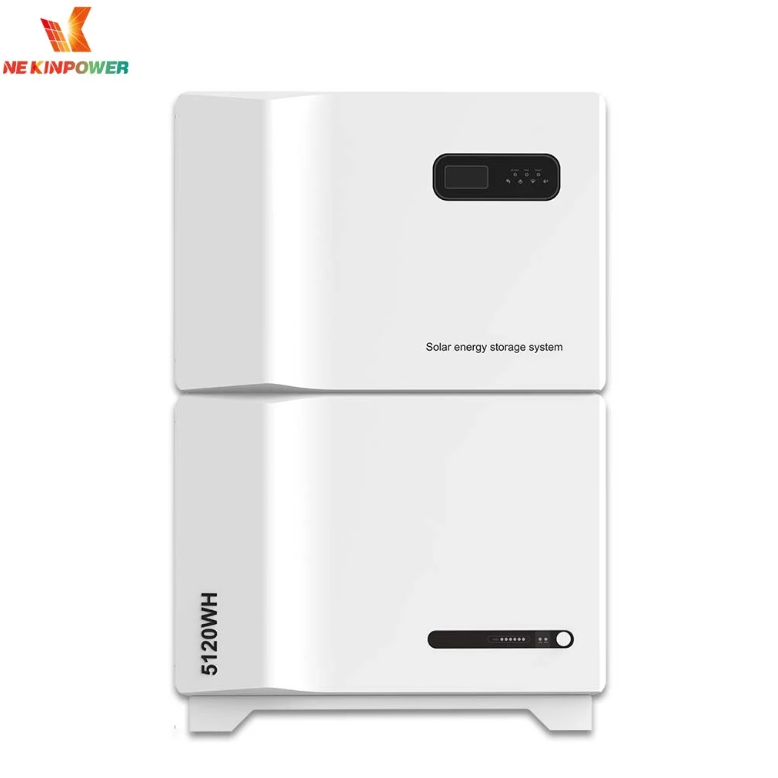
Why Demand Charges Hit Commercial Bills So Hard
Demand charges are not about total energy consumed. They are about the highest rate of consumption during a billing window, often 15 or 30 minutes. A facility can run efficiently for 29 days and still get punished by one bad afternoon. Utilities use these charges to recover the cost of keeping capacity ready for peak moments. A Lawrence Berkeley National Laboratory study on commercial electricity rates found that demand charges can exceed half of the bill for some customers, depending on rate schedule and load shape. The frustrating part is that the peak often comes from a few simultaneous events: compressors starting, chargers ramping, or HVAC units kicking on together. An energy storage system changes the game because it can respond in seconds and shave that peak without forcing the facility to shut down equipment.
How Storage Shaves the Peak Without Touching the Load
The mechanics are straightforward. A controller watches the facility's demand. When the load approaches a preset threshold, the battery discharges to cover the gap. The grid sees a lower net demand. When the load falls, the battery recharges, ideally during off-peak hours. The building keeps running. The meter records a lower peak. This is called peak shaving, and it works best when peaks are short and predictable. If a site has a high, flat load all day, storage has less room to help. If peaks last only 10 to 20 minutes, a modest battery can make a real difference. The key is speed. Lithium-based systems can ramp from standby to full power in milliseconds to seconds, far faster than a generator or a manual load shed plan.
What the Data Has to Show Before Storage Makes Sense
Interval data is the foundation. A year of 15-minute demand data reveals how often peaks occur, how high they go, and whether they cluster in certain months. A single monthly peak tells only part of the story. The analysis should answer:
-
What is the average peak, and what is the worst peak?
-
How many peaks exceed the target threshold?
-
How long do those peaks last?
-
What loads cause them?
-
How much would demand charges drop if the top 10 percent of peaks were clipped?
In a retrofit at a plastics injection molding plant in Texas, the utility bill showed demand charges near 40 percent of the total. The peaks lined up with several molding machines starting after lunch. A battery alone would have needed a large power rating. The better solution combined storage with a staggered start schedule. The battery covered the first few minutes, and the schedule spread the rest. Demand dropped enough to justify the project, but the win came from controls and operations, not from battery capacity alone.
Sizing Power and Capacity for Peak Shaving
Power rating determines how much of the peak the battery can shave. Capacity determines how long it can shave. A 100 kW battery can reduce a 500 kW peak to 400 kW while it discharges. If the peak lasts 30 minutes, the battery needs at least 50 kWh of usable energy for that event, plus margin for efficiency and degradation. If peaks happen several times a day, capacity needs grow quickly. The table below shows illustrative combinations.
| Peak Reduction Target | Peak Duration | Minimum Power Needed | Approximate Usable Energy | Notes |
|---|---|---|---|---|
| 50 kW | 15 minutes | 50 kW | 12.5 kWh | Short, frequent peaks |
| 100 kW | 15 minutes | 100 kW | 25 kWh | Common commercial case |
| 100 kW | 30 minutes | 100 kW | 50 kWh | Longer peaks |
| 200 kW | 30 minutes | 200 kW | 100 kWh | Industrial loads |
| 200 kW | 60 minutes | 200 kW | 200 kWh | High energy demand |
These numbers are simplified. Real sizing must account for inverter efficiency, depth of discharge limits, temperature, and the site's load profile. Oversizing power is expensive. Under-sizing capacity means the battery runs out before the peak ends, and the demand charge returns.
Where Peak Shaving Works and Where It Falls Short
Peak shaving is not a universal fix. It works well when demand charges are high, peaks are short, and the load can be predicted. It works poorly when the load is flat, when peaks last for hours, or when the utility rate has low demand charges and high energy charges. In those cases, energy arbitrage or solar self-consumption may offer better returns. Storage also does not reduce total energy consumption. It shifts when energy is drawn from the grid. That distinction matters for sustainability reporting and for any calculation of bill savings. An honest feasibility study will show both the savings and the limits.
Controls, Reliability, and Long-Term Support
The controls layer is where most projects succeed or fail. The controller must read the meter accurately, predict the peak, and dispatch the battery without causing nuisance alarms. It must also respect the battery's state of charge and temperature limits. Poor controls can create new peaks when the battery recharges at the wrong time. Good controls coordinate with HVAC, motors, and EV chargers. Reliability comes from quality hardware and consistent manufacturing. Kinpower, a global provider of smart solar and energy storage solutions, supports commercial and industrial projects with integrated solar ecosystems that include generation, storage, EV charging, and intelligent mounting and tracking systems. Manufacturing depth and supply chain discipline help keep systems consistent across sites. Demand charge reduction is real, but it depends on data, sizing, controls, and honest expectations. A storage system is a tool, not a magic switch.