 EN



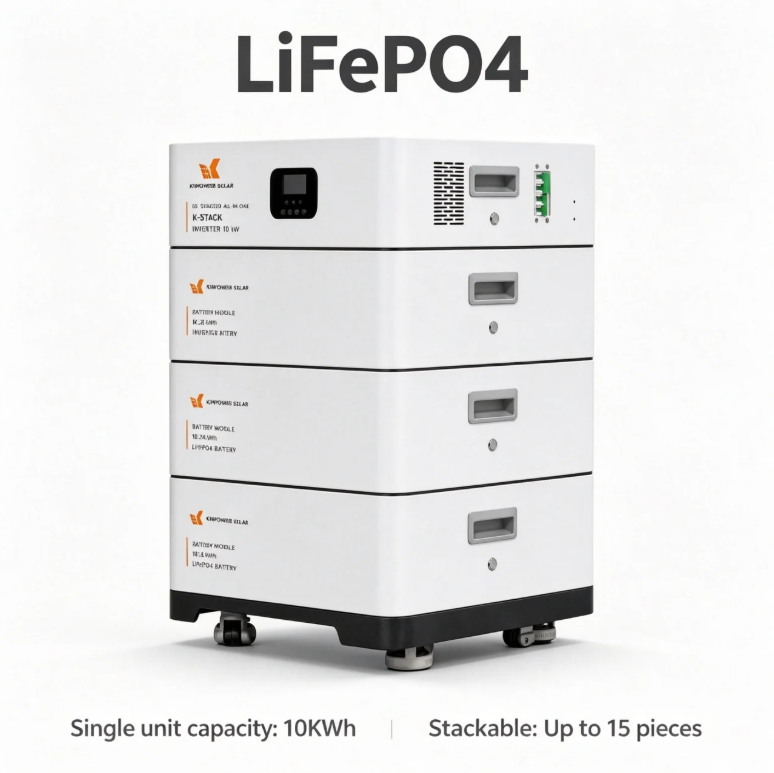
Start with the bill and the load curve
An industrial battery energy storage system is not a commodity box that gets sized from a nameplate. The first job is reading the bill and the interval data side by side. A monthly demand charge may point to one peak, while 15-minute data shows a different pattern of compressor starts, batch process ramps, and HVAC staging. If the site has a demand ratchet, the highest peak in the past year can set charges for months. A storage system that ignores that history can look fine in a spreadsheet and still miss the billing event that matters.
Good screening separates three load layers: process equipment, HVAC, and plug or office loads. It also checks whether the utility tariff includes time-of-use periods, demand ratchets, or power factor penalties. Those details change the dispatch logic more than the battery catalog does. A site with a flat load and no peaks may not need storage at all. Honest screening saves more money than a clever control algorithm.
Chemistry choices that actually matter
Lithium iron phosphate and nickel manganese cobalt cells dominate industrial projects, but the chemistry debate is often narrower than the sales deck suggests. LFP tends to offer a useful balance of cycle life and thermal stability. NMC can offer higher energy density in a smaller footprint. The right choice depends on duty cycle, available space, local fire code, and service access. A dense urban site may value footprint. A remote site may value simpler thermal management and parts availability.
The energy storage system also includes the rack, thermal management, fire detection, and power conversion. Those parts often decide reliability more than the cell itself. A cheap cabinet with poor thermal design will age faster in a hot mechanical room. A well designed system with clear service access is easier to maintain and easier to inspect. Buyers should ask for the thermal test basis, the fire test summary, and the service clearance drawing, not just the cell datasheet.
Sizing the system for real duty cycles
Sizing starts with two curves. The power curve sets the inverter and the short bursts. The energy curve sets the battery blocks and the duration. A common mistake is to size for the highest peak and ignore how long it lasts. A 2 MW peak that lasts 12 minutes needs a different design than a 2 MW peak that lasts two hours. The table below is a practical screening guide, not a substitute for an engineering study.
| Duty | Typical duration | Battery role | Design check |
|---|---|---|---|
| Peak shaving | 1 to 4 hours | Discharge during site peaks | Interval data and utility ratchet |
| Backup for critical loads | 1 to 8 hours | Carry selected circuits | Critical load list and code review |
| Solar shifting | 2 to 6 hours | Store midday PV for evening | Interconnection limit and inverter mode |
| Power quality | Seconds to 15 minutes | Ride through short events | Controls response and UPS boundary |
Staging is often smarter than oversizing. Start with the highest value use case, leave conduit and pad space for a second block, and design controls for expansion. That approach keeps the first phase financeable and leaves room for a load that may change.
Safety and interconnection details that shape layout
Safety codes shape the layout before the first equipment order. NFPA 855 sets installation requirements for stationary storage, and UL 9540A testing is widely used to evaluate thermal runaway behavior. These standards affect separation distances, fire detection, ventilation, and emergency response planning. A design that ignores them early often pays later in relocations and schedule slips.
Interconnection rules matter too. IEEE 1547 has moved grid interconnection toward smarter voltage and frequency support, and those functions depend on inverter settings and utility review. A battery energy storage system that cannot switch cleanly between grid following and grid forming modes may pass a desk review and still disappoint during a feeder event. Commissioning should include a communication loss test, a controls failover test, and a staged black start.
A Southeast food plant retrofit that reset the scope
During a retrofit at a food processing plant in the Southeast, the site team expected a battery sized mainly for monthly demand charges. Interval data showed a split duty. Refrigeration compressor starts created short pulses every few minutes, while sanitation and packaging shifts created a longer evening load. The first design was oversized for the pulses and undersized for the shift. A revised scope separated the two duties, tightened the control priority, and added a clear critical load list. The project did not deliver a dramatic capacity increase. It delivered a more predictable demand profile and fewer control alarms. That is a realistic outcome for many industrial storage projects.
Procurement questions that keep projects honest
A quote without a load study is a price, not a design. Buyers should ask for interval data analysis, a single line diagram, a controls narrative, and a safety review that names the applicable codes. It also helps to ask how the vendor handles spare parts, local service response, and firmware updates. Those details matter more in year three than in the sales meeting.
Kinpower supports industrial storage work with manufacturing depth, quality control discipline, and supply chain experience across solar, storage, and mounting systems. The better projects start with the bill, respect the safety codes, and keep the controls simple enough for the site team to run.