
 EN
EN



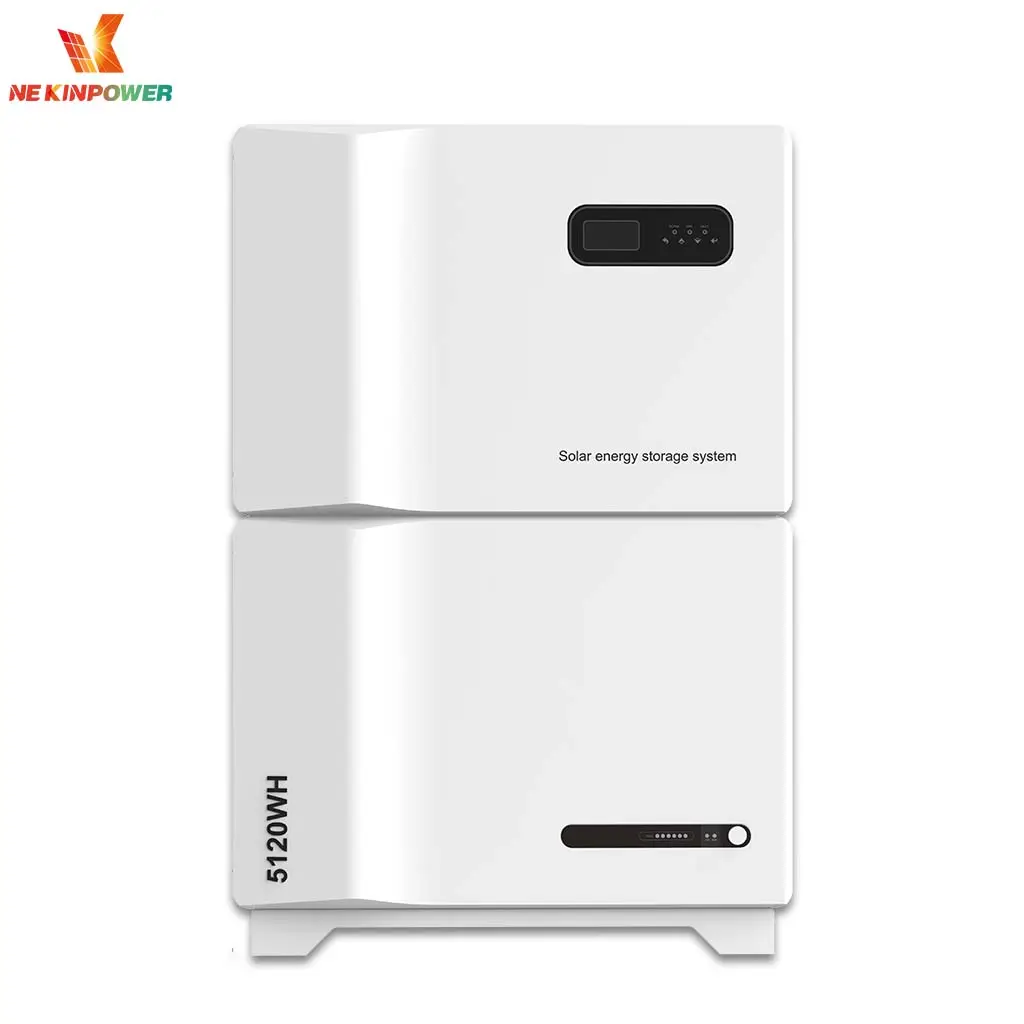
ကုန်သွယ်ရေး၊ စက်မှုလုပ်ငန်း သို့မဟုတ် နေအိမ်သုံးအတွက် လီသီယမ်ဘက်ထရီစွမ်းအင်သိုလှောင်စနစ်ကို သတ်မှတ်ရာတွင် အရေးကြီးဆုံးသော ဓာတုဖွဲ့စည်းမှုဆုံးဖြတ်ချက်များထဲမှ တစ်ခုမှာ လီသီယမ် သံမဏေ ော့စဖိတ် (LFP/LiFePO₄) သို့မဟုတ် နီကယ်-မင်ဂနီးစ်-ကော့ပါ (NMC) ဆဲလ်များကို အသုံးပြုရန် ဖြစ်ပါသည်။ ဤဓာတုဖွဲ့စည်းမှုနှစ်မျိုးစလုံးသည် စျေးကွက်တွင် အသုံးပြုနေကြသော လီသီယမ်-အိုင်ယွန် ဓာတုဖွဲ့စည်းမှုများဖြစ်သော်လည်း ၎င်းတို့သည် အပိုင်းအမှုန်းအပူလုံခြုံရေး၊ အသုံးပြုသက်တမ်း၊ စွမ်းအင်သိပ်သည်းမှုနှင့် စုစုပေါင်းပိုင်ဆိုင်မှုစုံစမ်းစရိတ်တွင် သိသိသာသာ ကွဲပါသည်။ ဤဆောင်းပါးတွင် ဝယ်ယူမှုစီမံခန့်ခွဲမှုများ၊ စနစ်ပေါင်းစည်းမှုများနှင့် စက်ရုံလုပ်ငန်းများအတွက် အသုံးပြုသော အချက်အလက်များကို ပေးစေရန် ဖွဲ့စည်းထားသော နှိုင်းယှဉ်မှုကို ပေးထားပါသည်။
ဓာတုဖွဲ့စည်းမှုအခြေခံများ- LFP နှင့် NMC ကြား ကွဲပါသည့်အချက်များ
LFP ဆဲလ်များသည် သံဖော့စဖိတ် ကက်သုိဒ်ပစ္စည်း (LiFePO₄) ကို အသုံးပြုပြီး အပူပိုင်းခွဲမှုအတွင်း အောက်စီဂျင်ကို မထုတ်လွှတ်သည့် အလွန်တည်ငြိမ်သော ကရစ်စတယ်ဖွဲ့စည်းမှုကို ပေးစေသည်။ ဤဂုဏ်သတ္တေဗျူဟာသည် LFP ၏ အပူပိုင်းခွဲမှုအပူခါးမှုကို စင်တီဂရီဒီဂရီ ၅၀၀ အထက်သို့ မြင့်တက်စေပါသည်။ ထို့ကြောင့် ဆဲလ်သည် အပူပိုင်းခွဲမှုအတွင်း အလိုအလျောက် အပူထုတ်လုပ်သည့် ဓာတ်ပုံဖော်မှုသို့ ဝင်ရောက်မှုမှီ အပူပိုများစွာကို စုပ်ယူနိုင်ပါသည်။ NMC ဆဲလ်များသည် နီကယ်-မင်ဂနီဇ်-ကော်ဘော့စ်အောက်ဆိုဒ် ကက်သုိဒ်ကို အသုံးပြုပြီး အပူပိုင်းခွဲမှုအပူခါးမှုနိမ့်ပါသည်။ အပူလွန်ကြောင့် အောက်စီဂျင်ကို ထုတ်လွှတ်ပါသည်။ ဤအချက်နှစ်ခုသည် ဆဲလ်ပျက်စီးမှုဖြစ်ပါက မီးလောင်မှု ပ распространение ဖြစ်စေရန် အန္တရာယ်ကို မြင့်တက်စေပါသည်။ ဆဲလ်များကို အဆောက်အဦများ၊ ဆာဗာအခန်းများ၊ စက်ရုံများ သို့မဟုတ် အိမ်သုံးဂာရေးမ်များတွင် ထားရှိသည့် စွမ်းအင်သိုလှောင်မှုအတွက် အသုံးပြုသည့် အခြေအနေများတွင် အပူပိုင်းခွဲမှုအပြုအမှုများ၏ ကွဲပြားမှုသည် အဓိက လုံခြုံရေးစဉ်းစားမှုဖြစ်ပါသည်။
စက်လုပ်အရေအတွက်နှင့် ရှည်လျားသောကာလ ယုံကုံစိတ်ချမှု
စက်ဘီးအသက်တမ်း — ဘက်ထရီသည် ၎င်း၏ စွမ်းအားသည် သတ်မှတ်ထားသော စွမ်းအား၏ ၈၀% အထိ လျော့နည်းသည့် အဆင့်အထိ ပုံမှန်အတိုင်း အပြည့်အဝ အားသွင်းခြင်းနှင့် အားသွင်းပေးခြင်း အကြိမ်ရေအရေအတွက် — သည် ဒီဓာတုဖွဲ့စည်းမှုနှစ်မျိုးကြားတွင် သိသိသာသာ ကွဲပါးပါသည်။ စွမ်းအင်သိုလှောင်မှုအတွက် အသုံးပြုသည့် LFP ဆဲလ်များသည် စက်ဘီးအသက်တမ်း ၆၀၀၀ အကြိမ် သို့မဟုတ် ထိုထက်ပိုများပါသည်။ ထိုသို့သော စက်ဘီးအသက်တမ်းသည် နေ့စဉ်အသုံးပြုမှုအခြေအနေများတွင် ကယောင်းအသက်တမ်း ၁၀ နှစ်ကျော်အထိ ရှိနိုင်ပါသည်။ NMC ဆဲလ်များသည် ၎င်းတို့၏ ဖွဲ့စည်းမှုအလိုက် စွမ်းအား ၈၀% အထိ ထိန်းသိမ်းနိုင်ရန်အတွက် ၁၀၀၀ မှ ၂၀၀၀ အကြိမ်အထိ စက်ဘီးအသက်တမ်းကို ပေးနိုင်ပါသည်။ ၁၀ နှစ်မှ ၁၅ နှစ်အထိ စီမံခန့်ခွဲမှုအတွက် စုစုပေါင်း ပိုင်ဆိုင်မှုစုစုပေါင်းစရိတ်ကို စဥ်ဆက်မပြတ် စိစိမ်စမ်းနေသည့် စီးပွားရေးလုပုပ်ငန်းများအတွက် LFP ၏ ပိုများသော စက်ဘီးအသက်တမ်းသည် ဘက်ထရီအစားထိုးမှုအရေအတွက် နည်းပါးခြင်းနှင့် စွမ်းအင်သိုလှောင်မှုအတွက် တစ်ခါတစ်ရေးစရိတ် နည်းပါးခြင်းကို ဖော်ပေးပါသည်။ ထိုသို့သော အကောင်းဆုံးအကောင်းဆုံး စုစုပေါင်းစရိတ်သည် NMC အမျိုးအစားများနှင့် နှိုင်းယှဉ်ပါက တစ်ခါတစ်ရေးစရိတ်သည် ပိုများနိုင်သော်လည်း စက်ဘီးအသက်တမ်းသည် ပိုများပါသည်။ စက်ဘီးအသက်တမ်း ၆၀၀၀ အကြိမ်နှင့် ကယောင်းအသက်တမ်း ၁၀ နှစ်ကျော်ရှိသည့် အိမ်သုံး နံရံတွင် တပ်ဆင်ထားသည့် LFP ယူနစ်သည် ရင်းနှီးမှုအတွက် အများအားဖော်ပေးသည့် အချိန်သည် ၃ နှစ်မှ ၅ နှစ်အထိ ဖြစ်ပါသည်။ ထိုအချိန်အကြာတွင် လျှပ်စစ်စရိတ်သည် သုညနီးပါး ဖြစ်လာပါသည်။
စွမ်းအင်သိပ်သည့်အချိန် - NMC ၏ ကျန်ရှိသော အကျေးဇူး
NMC ဆဲလ်များသည် LFP ဆဲလ်များထက် ပိုမိုမြင့်မားသော အသုံးပြုနေရာအလုပ်အကျေးဇူး (volumetric) နှင့် အလေးချိန်အလုပ်အကျေးဇူး (gravimetric) စွမ်းအင်သိပ်သည့်အချိန်ကို ပေးစေပါသည်။ ထို့ကြောင့် အသုံးပြုနေရာအရွယ်အစား သို့မဟုတ် အလေးချိန်တွင် အကန့်အသတ်ရှိသည့် အခြေအနေများတွင် NMC ဘက်ထရီများသည် ပိုမိုများပါသည်။ ဥပမါ - လျှပ်စစ်ယာဉ်များ၊ ဒရုန်းများ သို့မဟုတ် ပိုတ်လုပ်သည့် လျှပ်စစ်ပူးတွဲကိရိယာများ စသည်ဖြင့် ဖြစ်ပါသည်။ ထိုသို့သော အသုံးပြုမှုများတွင် NMC ၏ လုံခြုံရေးနှင့် သက်တမ်းရှည်မှု အားနည်းချက်များကို အလွန်အမင်း အလေးထားရန် မလိုအပ်ပါ။ သို့သော် မှုန်းမှုန်းထားသည့် စွမ်းအင်သိုလှောင်မှုအတွက်မူ အသုံးပြုနေရာအရွယ်အစားနှင့် အလေးချိန်သည် အများအားဖြင့် အကန့်အသတ်မရှိပါ။ အိမ်သုံးဂာရေးမှု သို့မဟုတ် အသုံးပြုမှုအခန်းတွင် အလွယ်တကူ တပ်ဆင်နိုင်သည့် နံရံတွင် တပ်ဆင်ရှိသည့် LFP ယူနစ်တစ်ခုသည် ၆၅၁.၅ မီလီမီတာ × ၄၄၅ မီလီမီတာ × ၂၃၅ မီလီမီတာ အရွယ်အစားဖြင့် ၅၁.၂V ၁၀၀AH အဖြစ် အမှတ်အသားပေးထားပါသည်။ အသုံးပြုနေရာ သို့မဟုတ် နံရံအပိုင်းတွင် နေရာအကန့်အသတ်မရှိသည့် မှုန်းမှုန်းထားသည့် စွမ်းအင်သိုလှောင်မှုအတွက် LFP ၏ စွမ်းအင်သိပ်သည့်အချိန် အားနည်းချက်သည် အလွန်အမင်း အရေးမကြီးပါ။
လုံခြုံရေးစနစ်အစီအစဥ် - BMS နှင့် အလွန်များပါသည့် ကာကွယ်ရေးစနစ်
ဓာတုဖော်စပ်မှုအမျိုးအစားနှင့် မသက်ဆိုင်ဘဲ၊ လီသီယမ်အခြေပါ် စွမ်းအင်သိမ်းဆည်းရေးစနစ်များ၏ ဘေးကင်းစေရေးအတွက် သင့်လျော်စွာဒီဇိုင်းထုတ်ထားသော ဘက်ထရီစီမံခန့်ခွဲမှုစနစ် (BMS) သည် အရေးကြီးပါသည်။ အိမ်သုံးနှင့် စီးပွားရေးအသုံးပြုမှုများတွင် တပ်ဆင်သော LFP စနစ်များအတွက် BMS သည် အနည်းဆုံး ကာကွယ်ရေးလုပ်ဆောင်ချက် (၆) ခုကို အကောင်အထည်ဖော်ရမည်ဖြစ်ပါသည်။ ၎င်းတို့မှာ အလွန်အများကြီးအားဖြည့်သွင်းခြင်းကာကွယ်ရေး၊ အလွန်အများကြီးအားဖြတ်ခြင်းကာကွယ်ရေး၊ အလွန်အများကြီးလျှပ်စီးကာကွယ်ရေး၊ ကုန်းတွင်းချိုးခြင်းကာကွယ်ရေး၊ အလွန်အများကြီးအပူချိန်ကာကွယ်ရေးနှင့် အနိမ့်အားဖြည့်သွင်းခြင်းကာကွယ်ရေးတို့ဖြစ်ပါသည်။ ဖွဲ့စည်းပုံအရ ဘက်ထရီအပိုင်းနှင့် လျှပ်စစ်အပိုင်းတို့သည် ရုပ်ပိုင်းဆိုင်ရာအားဖြင့် ခွဲခြားထားရမည်ဖြစ်ပြီး အိမ်ရှောင်ပစ္စည်းများသည် V0 မီးခံအဆင့်သတ်မှတ်ချက် (သို့မဟုတ်) သေးငယ်သော သံမဏိအိမ်ရှောင်ပစ္စည်းများ၏ စံနှုန်းများကို ဖော်ပြရမည်ဖြစ်ပါသည်။ LFP ၏ မူလအဆိုပ်အားဖော်စပ်မှုအားသာချက်များသည် အားကောင်းသော BMS ဒီဇိုင်းပုံစံကို မလိုအပ်တော့သည်ဟု မဆိုလိုပါ။ ထိုအဆိုပ်အားဖော်စပ်မှုအားသာချက်များသည် NMC ဖြင့် မလုပ်နိုင်သော အပိုအားကောင်းသော ဘေးကင်းရေးအများအပေါ် အကူအညီပေးပါသည်။ အကောင်အထည်ဖော်ထားသော LFP စနစ်သည် ဘေးကင်းရေးကို ထိခိုက်စေခြင်းမရှိဘဲ -20°C မှ 55°C အထိ အပူချိန်အကွာအဝေးတွင် လုပ်ဆောင်နိုင်ပါသည်။ ထို့ကြောင့် နော်ဒစ်၊ အယ်လ်ပိုင်းနှင့် အပူပိုင်းရှိ အသုံးပြုမှုများအတွက် သင့်လျော်ပါသည်။
အသုံးချမှု နမူနာ - ဥရောပနိုင်ငံများရှိ အိမ်သုံးဈေးကွက်တွင် နံရံတွင် တပ်ဆင်သော LFP ESS
ဂျာမနီ၊ အောစတြေလီးယားနှင့် ဂျပန်နိုင်ငံတွင် အိမ်သုံးဈေးကွက်များတွင် အိမ်ခုပ်ပေါ်တွင် တပ်ဆင်ထားသော နေရောင်ခြင်းစွမ်းအားထုတ်လုပ်မှုစနစ်များနှင့် အတူ နံရံတွင် တပ်ဆင်ထားသော LFP စွမ်းအားသိမ်းဆည်းမှုစနစ်များကို ထုတ်လုပ်ထားသော လျှပ်စစ်စွမ်းအားကို ကိုယ်တိုင်သုံးစွဲမှုအတွက် အကောင်အထောက်အပံ့ပေးရန် အသုံးပြုကြသည်။ ဤစနစ်များတွင် တစ်နေ့လုံး စွမ်းအားဖောက်ထုတ်မှုကို နေရောင်ခြင်းမှ အပိုအားကို စုပ်ယူပြီး နောက်ပိုင်းတွင် အိမ်သုံးစွမ်းအားလိုအပ်မှုများကို ဖြည့်ဆည်းရန် ညနေချိန်တွင် စွမ်းအားကို ဖြန့်ဖြူးပေးခြင်းဖြစ်သည်။ ထိုသို့ဖြင့် လျှပ်စစ်ကုန်ကုန်သုံးစွမ်းအားကို အများဆုံးစျေးနှုန်းဖြင့် လျှပ်စစ်ဓာတ်အားလိုင်းမှ ယူရန် လိုအပ်သော ပမာဏကို လျှော့ချပေးသည်။ ဤဈေးကွက်များတွင် စနစ်ပေါင်း ၃၀,၀၀၀ ကျော်ကို တပ်ဆင်ပေးခဲ့ပြီး ဘေးအန္တရာယ်မှု ဖြစ်စဉ်များ တစ်ခုမျှ မရှိသေးပါ။ ဤစနစ်များကို တပ်ဆင်ပေးသော ဖောက်သည်များ၏ အကြံပေးချက်များတွင် စနစ်၏ လုပ်ဆောင်မှုအရည်အသွေး သုံးမျိုးကို အမြဲတမ်း အလေးအမျက်ပြုကြသည်။ ပထမအချက်မှာ တပ်ဆင်ရန် လွယ်ကူခြင်း (ကြိုးတစ်ကောင်သုံး၍ စံနှုန်းအတိုင်း ဟိုက်ဘရစ် အိန်ဗာတာများနှင့် ကိုက်ညီမှုရှိခြင်း)၊ ဒုတိယအချက်မှာ အသုံးပျော်သော မိုဘိုင်းလ်အက်ပ်ဖြင့် လက်ရှိ အားသိမ်းဆည်းမှုအခြေအနေနှင့် စုဆောင်းထားသော စွမ်းအားကုန်ကုန်သုံးစွမ်းအားကို အချိန်နှင့်တွဲဖက်၍ ပြသနိုင်ခြင်းဖြစ်ပြီး တတိယအချက်မှာ လျှပ်စစ်ကုမ္ပဏီမှ လျှပ်စစ်ပေးပေးမှု ဖြတ်တောက်မှုဖြစ်ပါက လျှပ်စစ်လိုင်းနှင့် ချိတ်ဆက်ထားသော အခြေအနေမှ လျှပ်စစ်လိုင်းမှ ချိတ်ဆက်မှုဖြတ်တောက်ထားသော အခြေအနေသို့ အလိုအလျောက် ပြောင်းလဲနိုင်ခြင်းဖြစ်သည်။ အိမ်သုံးစနစ်များအတွက် LFP နှင့် NMC အကြား ရွေးချယ်ရာတွင် စနစ်ပေါင်းသမ်းများသည် ဘေးအန္တရာယ်ကို အထူးဂရုပြုသော ဈေးကွက်များတွင် ဤစနစ်များ၏ အတွေ့အကြုံရှိသော အမှုများကို အထူးသေးသေးနုတ်နုတ် ထောက်လှမ်းလေ့ရှိကြသည်။
ဝယ်ယူရေးဆွဲမှုအကဲဖြတ်ခြင်း - LFP နှင့် NMC တို့အကြားရွေးချယ်ခြင်း
စောင်းထားသော စွမ်းအင်သိုလှောင်မှုပရောဂျက်အတွက် ဓာတ်သေးမှုကို ရွေးချယ်ရာတွင် ဝယ်သူများအတွက် အောက်ပါ စံနှုန်းများသည် စနစ်ကျသော ဆုံးဖြတ်ချက်ချိန်ညှိမှုကို ပေးစေပါသည်။ အသုံးပုံအများအားဖော်ပြချက်- ထောင်ချောက်အတွင်း တပ်ဆင်မှုဖြစ်ပါက (ဥပမါ- လေဝင်လေထွက်နည်းပါးခြင်း၊ မီးခိုးဖမ်းမှုစနစ် အားနည်းခြင်း သို့မဟုတ် မီးလောင်နိုင်သည့် ပတ်ဝန်းကျင်တွင် တပ်ဆင်မှု)၊ LFP ကို ရွေးချယ်ရန် အကြံပြုပါသည်။ အကြောင်းမှာ ၎င်းသည် ပိုမိုမြင့်မားသော အပူလောင်ကွက်မှု အခြေအနေ ဖြစ်ပေါ်မှု အပေါ် ခံနိုင်ရည်ရှိပြီး ပျက်စီးမှုအခြေအနေတွင် အောက်စီဂျင် လွှတ်ထုတ်မှု မရှိခြင်းကြောင့်ဖြစ်ပါသည်။ စက်ဘီးလုပ်ဆောင်မှု အရှည်- ၁၀ နှစ် သို့မဟုတ် ထိုထက်ပိုမိုကြာရှည်သည့် ကာလအတွင်း နေ့စဉ် အသုံးပြုမည့် စက်ဘီးလုပ်ဆောင်မှုအတွက် လိုအပ်သည့် အခြေအနေများတွင် LFP ၏ စက်ဘီးလုပ်ဆောင်မှု ၆၀၀၀ ကျော် အထိ အသုံးပြုနိုင်မှုသည် NMC ၏ ပုံမှန် ၁၀၀၀ မှ ၂၀၀၀ အထိ စက်ဘီးလုပ်ဆောင်မှု အကြား သိသာထင်ရှားစွာ သာလွန်ပါသည်။ အရွယ်အစားနှင့် အလေးချိန် ကန့်သတ်ချက်များ- နေရာ သို့မဟုတ် အလေးချိန် ကန့်သတ်ချက်များ အလွန်ပိုမိုကြီးမားသည့် အခြေအနေများတွင်သာ NMC ကို စောင်းထားသော အသုံးပြုမှုအတွက် ပြန်လည်စဉ်းစားရန် လိုအပ်ပါသည်။ အခြားအခြေအနေများတွင် LFP ၏ အနည်းငယ် နောက်ကျသည့် စွမ်းအင်သိုလှောင်မှု သို့မဟုတ် စွမ်းအင်သိုလှောင်နိုင်မှု သည် လက်တွေ့အသုံးပြုမှုအတွက် အားနည်းချက် မဟုတ်ပါ။ အသက်တာကာလအတွင်း စုစုပေါင်း စုံစမ်းစရိတ်- LFP ၏ ပိုမိုရှည်လျောင်သည့် စက်ဘီးလုပ်ဆောင်မှု အရှည်နှင့် အစားထိုးမှု အကြိမ်ရေ နည်းပါးမှုကြောင့် စုစုပေါင်း ပိုင်ဆိုင်မှု စုံစမ်းစရိတ်ကို အများအားဖော်ပေးပါသည်။ ထိုသို့သော စုစုပေါင်း စုံစမ်းစရိတ်သည် kWh လျှင် အစပိုင်းတွင် ပိုမိုမြင့်မားသည့် စုံစမ်းစရိတ်ကို ဖော်ပေးနိုင်ပါသည်။ အတည်ပြုခြင်းနှင့် လိုက်နာမှု- အာဏာပိုင်များ အတွက် အလွန်ပိုမိုကြီးမားသည့် လုံခြုံရေး လိုအပ်ချက်များရှိသည့် ဈေးကွက်များ (ဥပမါ- EU၊ ဂျာမနီ၊ ဩစတြေးလျ) တွင် RoHS အတည်ပြုခြင်းနှင့် CE အတည်ပြုခြင်း ရှိသည့် LFP အခြေပြု စနစ်များကို ဒေသခံ လျှပ်စစ်အာဏာပိုင်များက ပိုမိုလွယ်ကူစွာ လက်ခံကြပါသည်။
မေးလေ့ရှိသောမေးခွန်းများ
မေးခွန်း - LFP နှင့် NMC ဘက်ထရီများကို စွမ်းအင်သိုလှောင်မှုစနစ်တွင် တူညီသောစနစ်အတွင်း တွ combined သုံးနိုင်ပါသလား။
ဖြေကြားချက် - ဘက်ထရီမော်ဒျူယ်လ် သို့မဟုတ် စနစ်တစ်ခုအတွင်း ဆဲလ်ဓာတ်ဖော်ပြမှုများကို ရောစပ်အသုံးပြုခြင်းသည် စံနှုန်းများနှင့် ကိုက်ညီမှုမရှိပါ။ ထို့အပါအဝင် စနစ်ဒီဇိုင်နာများက ယင်းကို အကြံပေးခြင်းမရှိပါ။ ဓာတ်ဖော်ပြမှုများသည် ဗို့အားများ၏ ပုံစံ၊ အပူခါန်အပြုအမှုများနှင့် အားသွင်း/အားသွင်းထုတ်မှု လက္ခဏာများတွင် ကွဲပြားမှုရှိသောကြောင့် စနစ်အတွင်း မညီမှုများဖြစ်ပေါ်စေပြီး စနစ်၏ ထိရောက်မှုနှင့် လုံခြုံရေးကို လျော့နည်းစေနိုင်ပါသည်။ စနစ်အား အဆင့်မြှင့်ရန် လိုအပ်ပါက ဓာတ်ဖော်ပြမှုတစ်မျိုးတည်းဖြင့် မော်ဒျူယ်လ်အားလုံးကို အစားထိုးရန် ပိုမိုသင့်တော်ပါသည်။
မေးခွန်း - NMC ကို နေရပ်တည်ရှိသော စွမ်းအင်သိုလှောင်မှုအတွက် အသုံးပြုနိုင်ပါသလား။
ဖြေကြားချက် - NMC ကို အရွယ်အစားသေးငယ်မှုကို အလေးပေးသော အသုံးပြုမှုများအတွက် စဉ်းစားနိုင်ပါသည်။ ထို့အပါအဝင် အသုံးပြုမှုအတွက် စက်ဘက်ထရီအသက်တာ လိုအပ်ချက်များသည် နိမ့်ပါသည်။ ဥပမါ- နေ့စဉ်အသုံးပြုမှုမှုမဟုတ်ဘဲ အလျင်အမြန် သိုလှောင်မှုအတွက် သုံးနိုင်ပါသည်။ သို့သော် စီးပွားရေးနှင့် နေအိမ်သုံး စနစ်များအတွက် နေ့စဉ် တစ်ကြိမ် (သို့မဟုတ် ထိုထက်ပိုများ) အသုံးပြုမှုကို နှစ်များစွာကြာမှုအထိ မျှော်မှန်းထားပါက LFP သည် စက်ဘက်ထရီအသက်တာ၊ လုံခြုံရေးနှင့် စုစုပေါင်းကုန်ကုန်စရိတ်တို့အရ ပိုမိုသင့်တော်သော ရွေးချယ်မှုဖြစ်ပါသည်။
မေး။ စောင်းထားသော LFP စွမ်းအင်သိုလှောင်မှုစနစ်သည် မည့်သည့်လက်မှတ်များကို ပေးထားရမည်နည်း။
ဖြေ။ ဥရောပသမဂ္ဂနှင့် အလားတူဈေးကွက်များတွင် အိမ်သုံးနှင့် စီးပွားရေးအသုံးပြုမှုများအတွက် အရေးကြီးသော လက်မှတ်များတွင် CE လက်မှတ်၊ အန္တရာယ်ရှိသော ပစ္စည်းများကို ကန့်သတ်ခြင်းအတွက် RoHS လက်မှတ်နှင့် ဖုန်နှင့်ရေဝင်မှုကို ကာကွယ်ရေးအတွက် IP65 အဆင့်သတ်မှတ်ချက်တို့ ပါဝင်ပါသည်။ ဘက်ထရီဆဲလ်များသည် UN38.3 ပို့ဆောင်ရေးလုံခြုံရေးစမ်းသပ်မှုများကို လိုက်နာရမည်ဖြစ်ပါသည်။ ဝယ်သူများသည် ထုတ်လုပ်မှုအရည်အသွေးစီမံခန့်ခွဲမှုစနစ်စံနှုန်းများကို အတည်ပြုရန် ထုတ်လုပ်ရေးစက်ရုံမှ ISO 9001 လက်မှတ်ကို တောင်းခံသင့်ပါသည်။
အကြောင်းအရာများ
- ဓာတုဖွဲ့စည်းမှုအခြေခံများ- LFP နှင့် NMC ကြား ကွဲပါသည့်အချက်များ
- စက်လုပ်အရေအတွက်နှင့် ရှည်လျားသောကာလ ယုံကုံစိတ်ချမှု
- စွမ်းအင်သိပ်သည့်အချိန် - NMC ၏ ကျန်ရှိသော အကျေးဇူး
- လုံခြုံရေးစနစ်အစီအစဥ် - BMS နှင့် အလွန်များပါသည့် ကာကွယ်ရေးစနစ်
- အသုံးချမှု နမူနာ - ဥရောပနိုင်ငံများရှိ အိမ်သုံးဈေးကွက်တွင် နံရံတွင် တပ်ဆင်သော LFP ESS
- ဝယ်ယူရေးဆွဲမှုအကဲဖြတ်ခြင်း - LFP နှင့် NMC တို့အကြားရွေးချယ်ခြင်း
- မေးလေ့ရှိသောမေးခွန်းများ