 EN



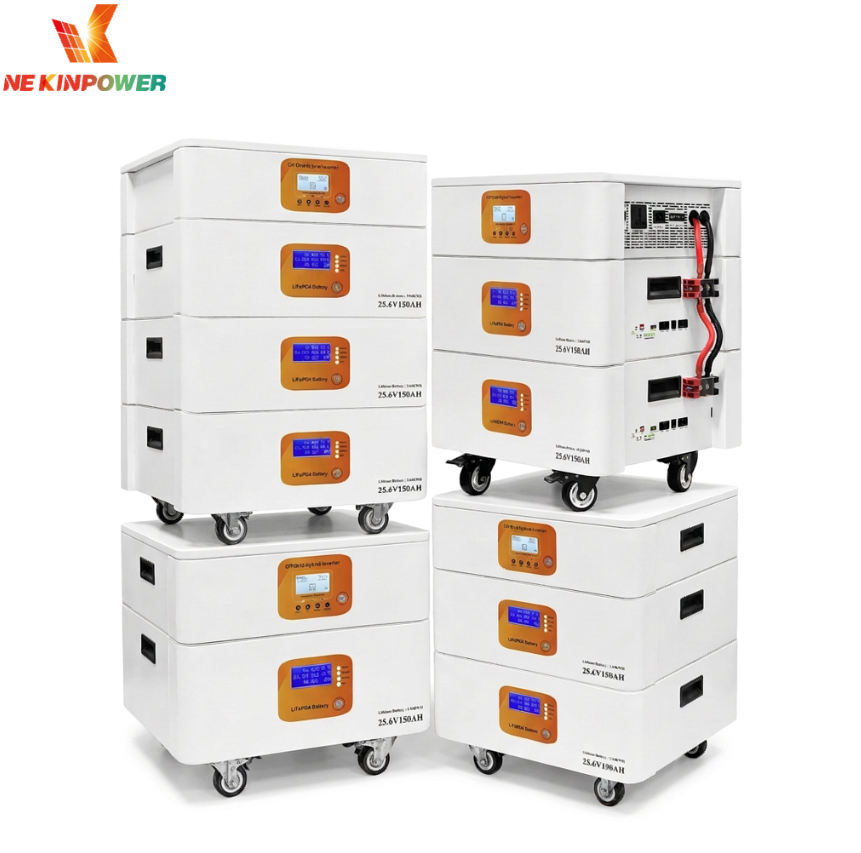
Heat and temperature extremes quietly cut usable capacity
Battery storage problems often start with temperature. Lithium-ion cells prefer a narrow band, roughly 15 C to 35 C for many stationary designs. Above that, calendar aging accelerates and internal resistance rises. Below freezing, charging can plate lithium and damage cells. A container in direct sun may see internal temperatures far above ambient. Solutions include active HVAC, insulation, shade structures, and thermal management that keeps cells balanced. Temperature sensors alone are not enough. The control strategy should derate charge and discharge before cell stress builds. NFPA 855 and UL 9540A testing address fire safety and thermal runaway, but day to day heat management still decides how long an energy storage system lasts.
State of charge drift and cell balancing issues
Cells in a pack age at different rates. Weak cells hit voltage limits first, so the pack stops charging or discharging early. The result looks like lost capacity, even when most cells are healthy. Passive balancing burns off excess energy from stronger cells. Active balancing moves charge between cells and can recover more usable capacity, though cost and complexity rise. State of charge estimation also drifts when current sensors are noisy or temperature compensation is poor. Periodic calibration and good BMS data matter. A pack that reports 90 percent may actually be at 80 percent, and that gap grows over time.
| Problem | Common symptom | Root cause | Practical solution |
|---|---|---|---|
| Thermal stress | Faster capacity fade | Poor airflow or HVAC failure | Thermal management, insulation, derating |
| Cell imbalance | Early charge or discharge cutoff | Aging differences, weak cell | Active or passive balancing, cell replacement |
| SOC drift | Inaccurate range or dispatch | Sensor error, model error | Calibration, better BMS algorithms |
| Grid interaction | Trips or unstable output | Protection settings, weak grid | Compliant inverter settings, coordination study |
| Moisture ingress | Insulation faults, corrosion | Sealing failure, condensation | IP rated enclosures, desiccant, drainage |
| Communication faults | Missing data, lost control | Wiring, protocol mismatch | Shielded cabling, firmware checks, redundancy |
Inverter and grid interaction problems
An energy storage system rarely operates alone. It works with inverters, protection relays, and the grid. Voltage excursions, frequency events, and reverse power flow can trigger trips. IEEE 1547 and local grid codes define ride through and protection requirements. A system that trips offline during a minor disturbance cannot support the site. Solutions include proper coordination studies, compliant inverter settings, and communication between the storage controller and site loads. Weak grids and long feeders need special attention. Sometimes the problem is not the battery at all. It is the interface.
Safety events and code compliance
Thermal runaway is rare but serious. Gas detection, fire suppression, deflagration vents, and spacing requirements are covered by standards such as NFPA 855. UL 9540A evaluates thermal runaway propagation. Compliance is not optional. It shapes enclosure design, separation distances, and emergency response planning. A system that passes lab tests can still fail in the field if ventilation is blocked or water pools near the enclosure. Safety also depends on installation quality, labeling, and training for local responders. Code requirements differ by region, so early planning saves redesign later.
Site design and installation mistakes
Many storage problems are set in place before commissioning. 1. Placing containers on unshaded pavement. 2. Running cables without proper bend radius. 3. Ignoring drainage around foundations. 4. Mixing battery modules from different batches without checking compatibility. 5. Undersizing auxiliary power for HVAC and controls. 6. Skipping a grounding study. These choices may pass a quick inspection and fail after a few seasons. A site visit with thermal imaging and current measurements often reveals issues that paperwork misses. Good design accounts for weather, access, maintenance space, and future expansion.
Monitoring and maintenance gaps
Battery storage is not a set and forget asset. Capacity fades, connections loosen, and firmware needs updates. Remote monitoring can catch trends before alarms. Useful metrics include cell voltage spread, temperature differential, insulation resistance, and round trip efficiency. Maintenance should include torque checks, filter changes, firmware review, and functional testing of safety systems. Data without action is just noise. A monthly review that compares strings and racks can spot a weak module early. Replacing one bad cell or connector is far cheaper than replacing a whole rack.
In a commercial campus in Southeast Asia, an energy storage system showed a gradual drop in usable capacity over eight months. Temperatures inside one container ran higher than the others, and cell voltage spread widened. Inspection found a failed exhaust fan, clogged filters, and two weak modules. After restoring airflow, replacing the modules, and recalibrating the state of charge model, the system recovered most of its expected capacity. The fix was not exotic. It was basic thermal and maintenance discipline.
Kinpower designs and delivers integrated solar and storage systems, including generation, storage, EV charging, and intelligent mounting. The company's manufacturing background and global project experience help teams specify thermal management, grid compliance, and monitoring from the start. Common battery storage problems rarely have a single cause. A coordinated design and service approach keeps an energy storage system closer to its intended performance.