 EN



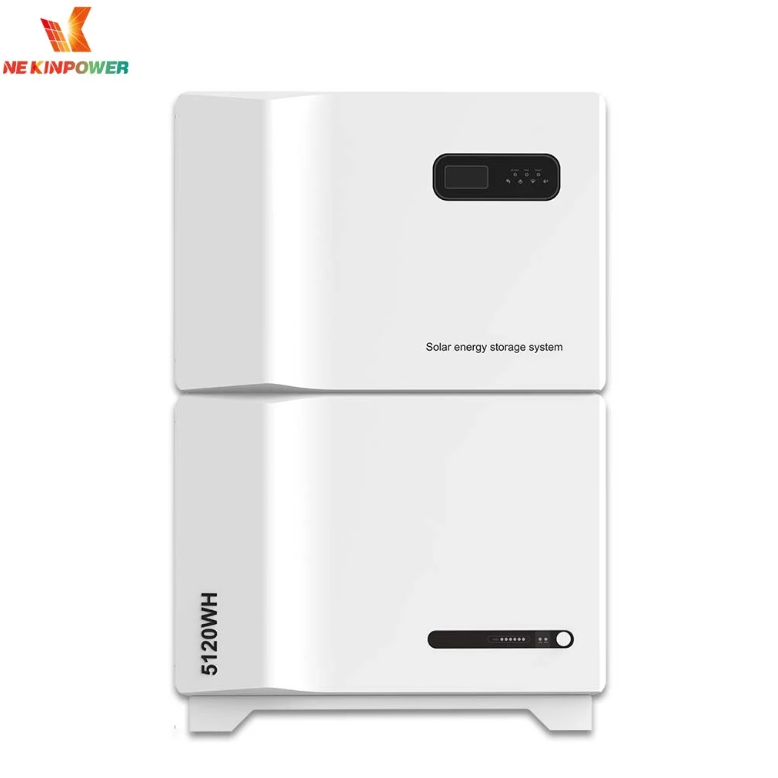
What a Home Energy Storage System Really Includes
A home energy storage system is more than a battery box on a garage wall. The battery is the visible part, but the installation includes a hybrid or battery inverter, a backup panel, current transformers, disconnects, conduit, communication wiring, and often a transfer switch. Some setups keep the existing solar inverter and add an AC coupled battery. Others replace the solar inverter with a hybrid unit that manages both solar and storage on the DC side. Each path changes the wiring, permitting, and backup behavior. The goal is not to buy the biggest battery. The goal is to match storage, power, and controls to the way the house actually runs.
Site Assessment Before Any Hardware Shows Up
The first site visit should answer three questions: where will the equipment go, how will it connect, and what will it back up. Panel capacity is often the bottleneck. A 100A service panel with a full busbar may need a service upgrade before a battery can be added. Clearance matters too. NFPA 855 sets spacing and thermal requirements for residential storage, and local fire codes may add more. A south-facing garage wall in Arizona is not the same as a shaded basement in Oregon. Temperature, ventilation, and flood risk all affect placement.
During a retrofit in a 1970s ranch house in southern California, the crew found a 100A panel with no spare breaker spaces. The original plan assumed a simple battery addition. The real fix was a service upgrade and a managed backup panel that left out the electric range and central air compressor. The battery was fine. The service and load management were the actual project.
AC Coupling Versus DC Coupling Trade-Offs
AC coupling keeps the existing solar inverter and adds a battery inverter that interacts with the house wiring. It is often easier to retrofit and can work with many existing solar systems. DC coupling uses one hybrid inverter to manage solar and battery on the DC bus. It can reduce conversion steps, but it may require replacing the existing solar inverter and matching equipment from the same ecosystem.
| Configuration | Retrofit Difficulty | Conversion Steps | Expansion Flexibility | Backup Behavior | Common Fit |
|---|---|---|---|---|---|
| AC coupled | Lower | More | Good with matched inverters | Backup panel needed | Existing solar systems |
| DC coupled | Higher | Fewer | Strong within one brand | Often simpler | New solar plus storage |
| AC coupled with new inverter | Moderate | More | Good | Backup panel needed | Older solar, new battery |
| DC coupled with new solar | Higher | Fewer | Strong | Often simpler | Full system replacement |
The table is a starting point, not a rule. Actual performance depends on inverter settings, wiring distance, and how the backup panel is configured. A smaller battery with good load management can often back up more useful loads than a larger battery with poor controls.
Wiring, Disconnects, and Safety Details That Get Inspected
Inspectors look for specific details. A home battery installation typically needs:
-
A clearly labeled disconnect within sight of the equipment.
-
Proper overcurrent protection and conductor sizing per NEC Article 706.
-
Rapid shutdown or emergency shutdown provisions where required.
-
Working clearances and ventilation around the battery.
-
Communication wiring separated from power conductors where noise could affect signals.
-
Grounding and bonding that match the inverter and battery instructions.
UL 9540 covers the system level, while UL 9540A evaluates thermal runaway propagation. Those standards do not replace good workmanship. A neat conduit run and torqued lugs matter as much as a certificate. Loose connections create heat. Heat shortens life and can trigger nuisance faults.
Commissioning and Monitoring After the First Power-Up
Commissioning is where the design meets reality. The backup panel should be tested under real loads, not just a few light bulbs. Motor starts, well pumps, and air conditioners can cause voltage sag or inverter overload. Monitoring should be set up before the homeowner starts relying on the system. Key data includes state of charge, battery temperature, solar production, backup load, and grid status.
One common surprise is that a backup panel sized for average load cannot handle simultaneous motor starts. The fix may be a soft starter, a load management controller, or simply moving a large load off the backup panel. Honest limitations belong in the conversation. A home storage system can keep lights, internet, refrigeration, and some heating running for a useful period. It will not run an electric furnace and an EV charger at the same time unless the design and budget support that.
Matching Hardware to How the Home Actually Uses Power
Sizing starts with data, not a catalog. A few weeks of interval data can show daily energy use, peak demand, and how much solar is exported versus consumed. The right home battery installation balances three numbers: usable capacity, continuous power, and backup duration. A house with a 12 kWh daily need and a 4 kW peak may be fine with a modest system. A house with electric resistance heat and a well pump may need more power, not just more energy.
Kinpower, a global provider of smart solar and energy storage solutions, supports residential, commercial, and industrial projects with integrated solar ecosystems that include generation, storage, EV charging, and intelligent mounting and tracking systems. Manufacturing experience and supply chain discipline help keep hardware consistent from one project to the next. The best installation guide is still the one written by the house itself, through load data, site conditions, and clear expectations.
Table of Contents
- What a Home Energy Storage System Really Includes
- Site Assessment Before Any Hardware Shows Up
- AC Coupling Versus DC Coupling Trade-Offs
- Wiring, Disconnects, and Safety Details That Get Inspected
- Commissioning and Monitoring After the First Power-Up
- Matching Hardware to How the Home Actually Uses Power