
 EN
EN



Determining the right battery storage capacity for a house requires calculating daily energy consumption, identifying essential loads, and considering solar PV integration. A home energy storage system that is too small will not provide adequate backup, while an oversized system adds unnecessary cost. This article provides a practical sizing guide for residential battery storage.
Calculating Daily Energy Consumption
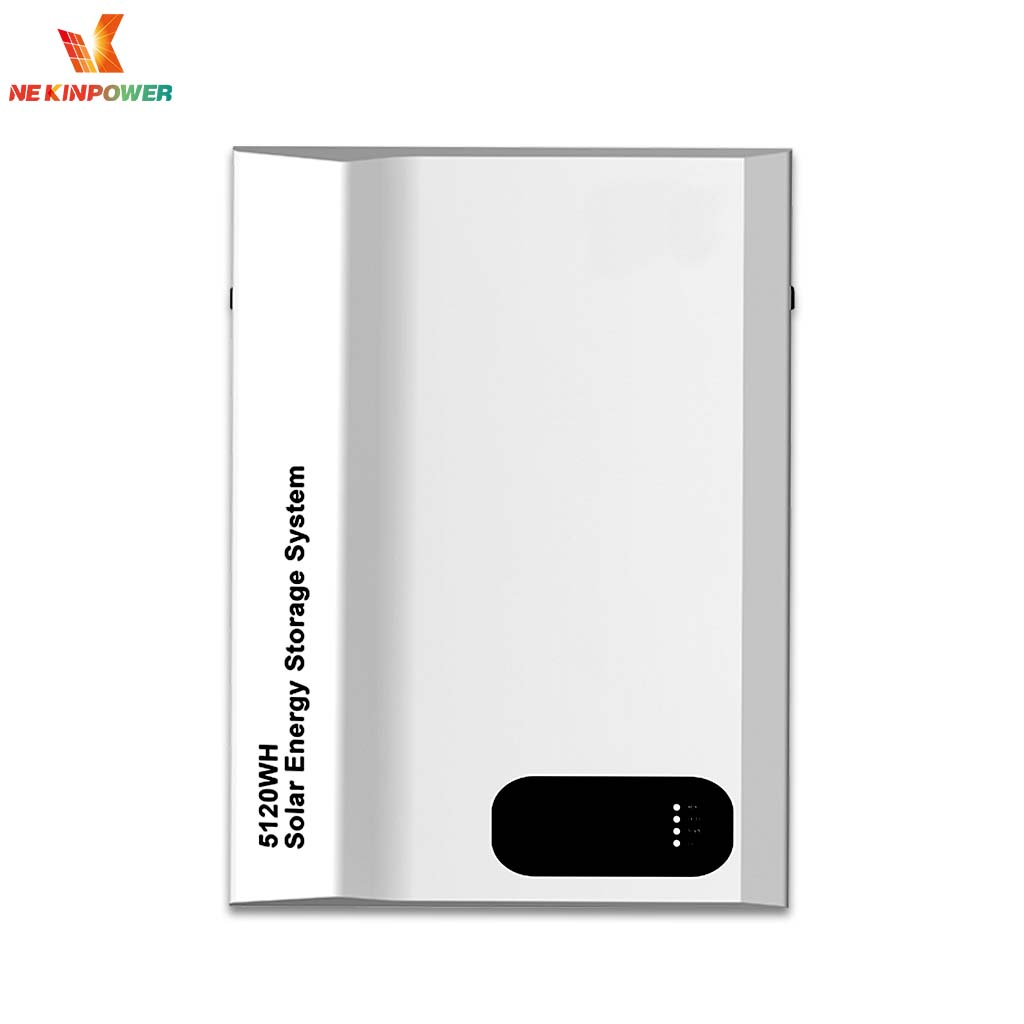
The first step in sizing a home energy storage system is calculating the household's average daily energy consumption in kilowatt-hours (kWh). Review 12 months of electricity bills to determine the average daily kWh usage. A typical household consuming 25-30 kWh per day may need 10-15 kWh of usable battery storage to cover essential loads during a power outage. Wall-mounted LiFePO4 battery modules rated at 51.2V 100AH provide 5.12 kWh per module, so two modules deliver 10.24 kWh of storage capacity.
Identifying Essential Loads
Not all household loads require backup power during an outage. Essential loads typically include refrigeration, lighting, communication equipment, medical devices, and well pumps. Non-essential loads such as air conditioning, electric water heaters, and clothes dryers can be excluded from backup calculations. Create a load list with each device's wattage and estimated daily runtime, then sum the total kWh required. This focused approach ensures the home energy storage system is sized for practical backup needs rather than full-house operation.
Backup Duration Planning
Homeowners should decide how many hours or days of backup power they need. For areas with reliable grid power and occasional short outages, 4-8 hours of essential load backup may suffice. For regions with frequent or prolonged outages, 24-48 hours of backup is advisable. A rolling-desk-style energy storage system with 2-20 kWh capacity range provides flexibility to match different backup duration requirements. The modular nature of LiFePO4 batteries allows adding capacity incrementally as needs change.
Solar PV Integration Sizing
When pairing battery storage with solar panels, the battery capacity should align with the solar array's daily generation output. A residential solar system generating 10-15 kWh per day pairs well with a 10-15 kWh battery bank, allowing excess solar energy to charge the battery during the day for nighttime use. Solar carport integrated storage tiers of 3.84 kWh, 7.68 kWh, 11.52 kWh, and 15.36 kWh offer options for properties with solar carport installations. The goal is to maximize solar self-consumption rather than exporting excess energy to the grid at lower feed-in tariff rates.
Peak Power and Surge Considerations
Battery storage capacity measured in kWh indicates how much energy the system can deliver, but the inverter's power rating in kilowatts (kW) determines how many devices can run simultaneously. Motors in refrigerators, well pumps, and air conditioners require surge power that can be 2-3 times their running wattage. Ensure the inverter can handle the combined surge of all essential loads starting simultaneously. A 5 kW inverter typically supports a household's essential loads, while larger homes may require 8-10 kW.
Climate and Seasonal Adjustments
Battery performance varies with temperature. LiFePO4 batteries with IP65 rating and thermal runaway resistance above 500 degrees Celsius perform reliably across a wide temperature range. However, in extremely cold climates below 0 degrees Celsius, battery discharge capacity may decrease by 10-20%. Homeowners in cold regions should size the system 15-20% larger to account for winter performance reduction. The 6000+ cycle life and 10+ year service life of LiFePO4 modules ensure the system maintains capacity over many seasonal cycles.
FAQ
Q: How many kWh of battery storage does a typical house need?
A: A typical household consuming 25-30 kWh per day needs 10-15 kWh of usable battery storage to cover essential loads during a power outage. Two 5.12 kWh wall-mounted LiFePO4 modules provide 10.24 kWh of storage.
Q: Can I expand my home energy storage system later?
A: Yes. LiFePO4 battery modules are modular. Wall-mounted systems use 5.12 kWh units, and rolling-desk-style systems range from 2-20 kWh, allowing incremental capacity expansion as needs change.
Q: How does solar PV integration affect battery sizing?
A: The battery bank capacity should match the solar array's daily generation. A 10-15 kWh per day solar system pairs well with a 10-15 kWh battery bank to maximize self-consumption and reduce grid dependency.