
 EN
EN



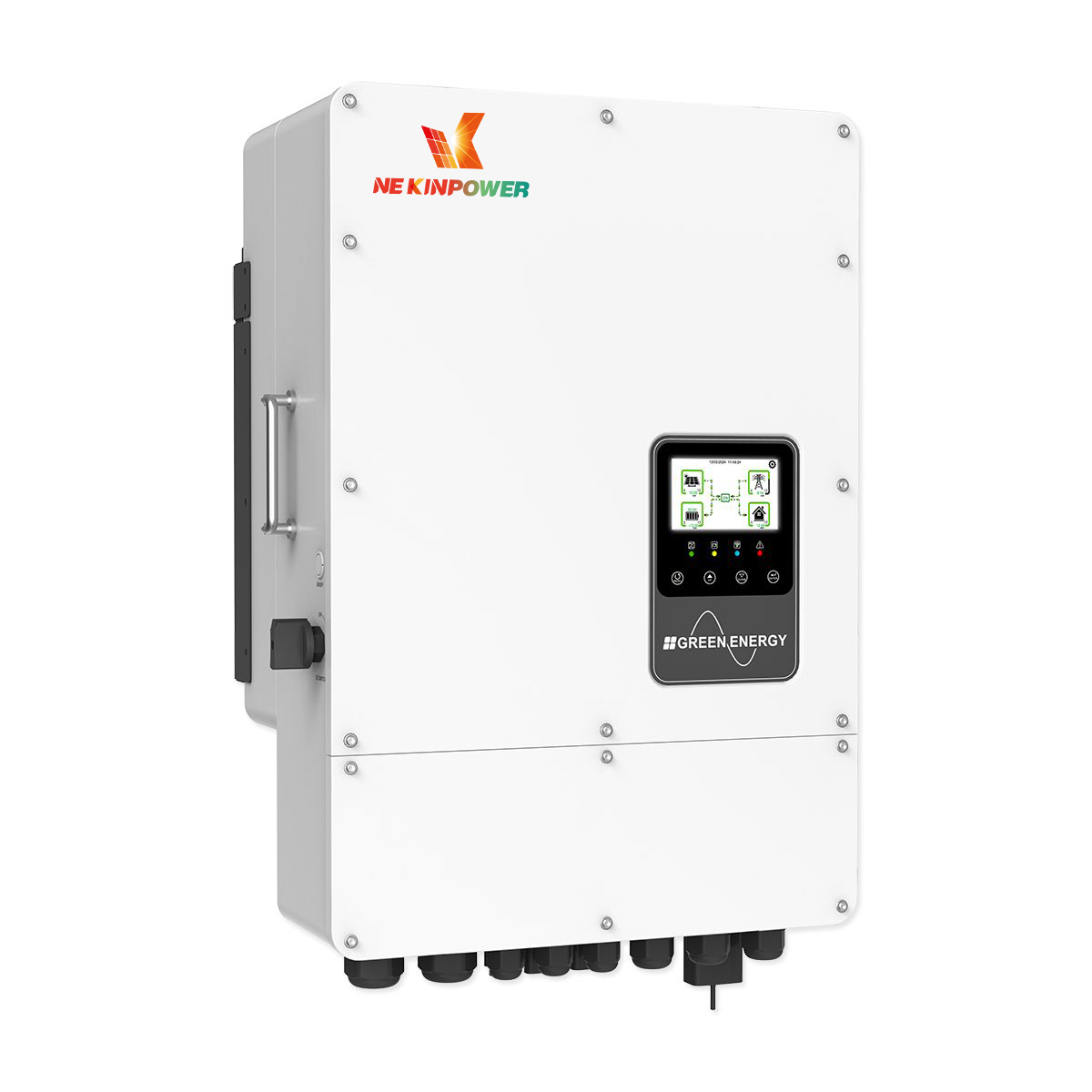
Selecting a lithium battery energy storage system involves evaluating battery chemistry, capacity sizing, safety features, and scalability. For commercial and residential buyers, the variety of available options can create confusion about which specifications matter for their application. This article provides a structured checklist to guide the selection process for an energy storage system.
Battery Chemistry Selection
The first decision in choosing an energy storage system is battery chemistry. Lithium iron phosphate (LiFePO4) and nickel manganese cobalt (NMC) are the two dominant lithium chemistries. LiFePO4 batteries achieve thermal runaway resistance above 500 degrees Celsius, compared to approximately 200 degrees Celsius for NMC cells. This safety margin makes LiFePO4 suitable for indoor and outdoor installations where thermal management is a concern. LiFePO4 batteries also deliver 6000 or more charge cycles, compared to 2000-3000 cycles typical of NMC cells, which reduces the total cost of ownership over a 10-year service period.
Capacity Sizing and Module Options
Energy storage system capacity should match the facility's daily consumption and backup power requirements. Wall-mounted systems use 51.2V 100AH modules rated at 5.12 kWh per unit, allowing incremental capacity expansion. Rolling-desk-style systems offer a capacity range from 2 kWh to 20 kWh for applications requiring portability and moderate storage. For solar carport integration, storage tiers of 3.84 kWh, 7.68 kWh, 11.52 kWh, and 15.36 kWh align with common solar array outputs. Buyers should calculate their average daily kWh consumption and size the battery bank to cover at least one day of essential loads.
Battery Management System Quality
A battery management system (BMS) monitors cell voltage, temperature, and current to prevent overcharging, deep discharge, and thermal events. When evaluating an energy storage system, buyers should confirm that the BMS provides multi-layer protection including over-voltage, under-voltage, over-current, short-circuit, and over-temperature safeguards. Real-time monitoring with status reporting allows facility managers to track system health and identify maintenance needs before performance degrades.
Environmental Protection Rating
The IP (Ingress Protection) rating determines where an energy storage system can be installed. An IP65 rating means the enclosure is dust-tight and protected against water jets, making it suitable for outdoor installation in covered or semi-exposed locations. LiFePO4 modules with IP65 enclosures and dimensions of 651.5 mm x 445 mm x 235 mm can be wall-mounted in residential garages or installed in commercial equipment rooms without requiring climate-controlled environments.
Certifications and Compliance
International certifications indicate that an energy storage system has passed standardized safety and transport tests. CE certification confirms compliance with European health, safety, and environmental protection standards. RoHS certification restricts hazardous substances in the battery construction. UN38.3 certification verifies that the battery has passed transport safety tests required for international shipping. Buyers should verify that all three certifications are current before purchase, particularly for projects requiring cross-border logistics.
Scalability and Future Expansion
An energy storage system should accommodate future capacity expansion without requiring complete system replacement. Modular designs using 5.12 kWh building blocks allow buyers to start with a smaller system and add modules as needs grow. The rolling-desk-style series, with its 2-20 kWh range, supports this modular approach. A 1.5 MW solar carport project in Brazil and a Maldives installation generating 15 million kWh annually while reducing 50 tons of diesel per year demonstrate how modular storage scales from residential to utility-scale applications.
Safety Record and Deployment History
The deployment history of an energy storage system provides evidence of long-term reliability. Over 30,000 wall-mounted LiFePO4 energy storage units have been installed across Germany, Australia, and Japan with zero reported safety incidents. This track record, combined with 6000+ cycle life and IP65 environmental protection, gives buyers confidence in the technology's suitability for long-term deployment in diverse climates.
FAQ
Q: What is the difference between LiFePO4 and NMC batteries for energy storage?
A: LiFePO4 batteries offer thermal runaway resistance above 500 degrees Celsius and 6000+ charge cycles, while NMC cells typically withstand 200 degrees Celsius and 2000-3000 cycles. LiFePO4 provides a longer service life and higher safety margin.
Q: How do I size an energy storage system for my needs?
A: Calculate your average daily kWh consumption, identify essential loads that require backup power, and select a battery bank capacity that covers at least one day of those essential loads. Wall-mounted modules provide 5.12 kWh per unit for incremental expansion.
Q: What certifications should I look for when purchasing an energy storage system?
A: Verify CE, RoHS, and UN38.3 certifications. CE confirms European safety compliance, RoHS restricts hazardous substances, and UN38.3 ensures transport safety for international shipping.