
 EN
EN



The question of whether a home energy storage system is worth the investment depends on electricity rates, solar setup, usage patterns, and backup power needs. There is no universal answer, but a structured analysis of costs, savings, and return on investment can help homeowners make an informed decision. This article examines the financial and practical factors that determine the value of residential battery storage.
Electricity Bill Savings
A home energy storage system reduces electricity bills through peak shaving and solar self-consumption optimization. By charging the battery during off-peak hours or from solar panels and discharging during peak tariff periods, homeowners can reduce their effective electricity rate. For households on time-of-use pricing plans with significant peak-to-off-peak rate differentials, the savings are more substantial. In regions where net metering policies offer low compensation for exported solar energy, storing excess solar in a battery for self-use provides greater value than exporting it to the grid.
Peak Shaving and Demand Charge Reduction
Peak shaving reduces the maximum power drawn from the grid during high-cost periods. For residential customers on demand-based pricing, discharging stored battery energy during peak consumption windows lowers the demand charge component of the electricity bill. A LiFePO4 battery with 6000+ charge cycles and a 10+ year service life provides enough operational years to recover the initial investment through accumulated peak shaving savings. The battery's thermal runaway resistance above 500 degrees Celsius and IP65 rating ensure safe operation throughout its service life.
Solar Self-Consumption Rate Improvement
For homes with rooftop solar or solar carport installations, a battery storage system significantly improves the solar self-consumption rate. Without storage, excess solar energy generated during the day is either exported to the grid at a low feed-in tariff or lost. With a 5.12 kWh per module wall-mounted battery, homeowners can store daytime solar excess and use it during evening hours, displacing grid electricity at full retail rates. The Maldives installation generating 15 million kWh annually and reducing 50 tons of diesel per year demonstrates how solar-plus-storage reduces fossil fuel dependency at scale.
Backup Power Value
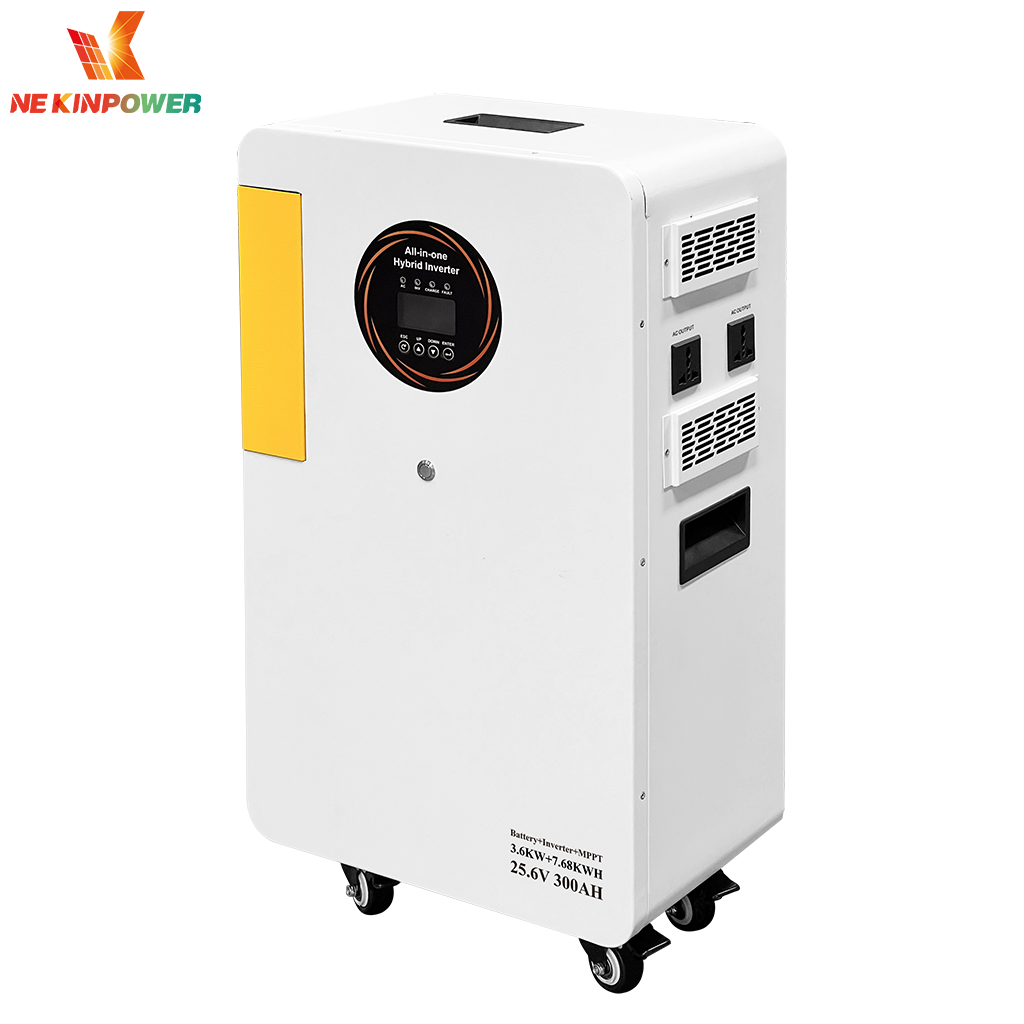
The value of backup power depends on the frequency and duration of power outages in the area, and the criticality of loads that must remain operational. For homes with medical equipment, well pumps, or home-based businesses, even a few hours of backup power can prevent significant costs and inconvenience. Wall-mounted energy storage units with 5.12 kWh modular capacity can power essential loads for 4-8 hours. The rolling-desk-style system with 2-20 kWh range provides extended backup for longer outages. Over 30,000 units deployed in Germany, Australia, and Japan with zero safety incidents demonstrate the reliability of LiFePO4 technology for backup applications.
Battery Longevity and Total Cost of Ownership
The total cost of ownership for a home energy storage system includes the initial purchase price, installation, and any replacement costs over the system's life. LiFePO4 batteries with 6000+ cycles and a 10+ year service life reduce replacement frequency compared to NMC batteries that deliver 2000-3000 cycles. Over a 15-year period, an NMC system might require 2-3 battery replacements while an LiFePO4 system continues operating on its original modules. This longevity advantage is the primary financial justification for the higher initial cost of LiFePO4 chemistry.
When Home Energy Storage May Not Be Worth It
A home energy storage system may not deliver positive return on investment in certain scenarios: homes in regions with flat electricity rates without time-of-use pricing, properties without solar panels where the battery can only charge from the grid at night, and areas with extremely reliable grid power where outages are rare. Additionally, if the local net metering policy offers full retail rate compensation for exported solar energy, the financial benefit of storing solar energy locally is reduced. Homeowners should calculate their specific payback period before committing to installation.
FAQ
Q: How long does a home energy storage system last?
A: LiFePO4 batteries provide 6000+ charge cycles and a service life exceeding 10 years. Over a 15-year period, LiFePO4 modules typically outlast NMC alternatives that require 2-3 replacements.
Q: What is the payback period for home battery storage?
A: The payback period depends on electricity rate structure, solar setup, and usage patterns. Homes with time-of-use pricing and solar panels typically see faster payback than homes with flat rates and no solar.
Q: Is LiFePO4 safer than other battery types for home use?
A: LiFePO4 batteries have thermal runaway resistance above 500 degrees Celsius, compared to approximately 200 degrees Celsius for NMC cells. This higher safety margin makes LiFePO4 suitable for residential indoor and outdoor installation.