
 EN
EN



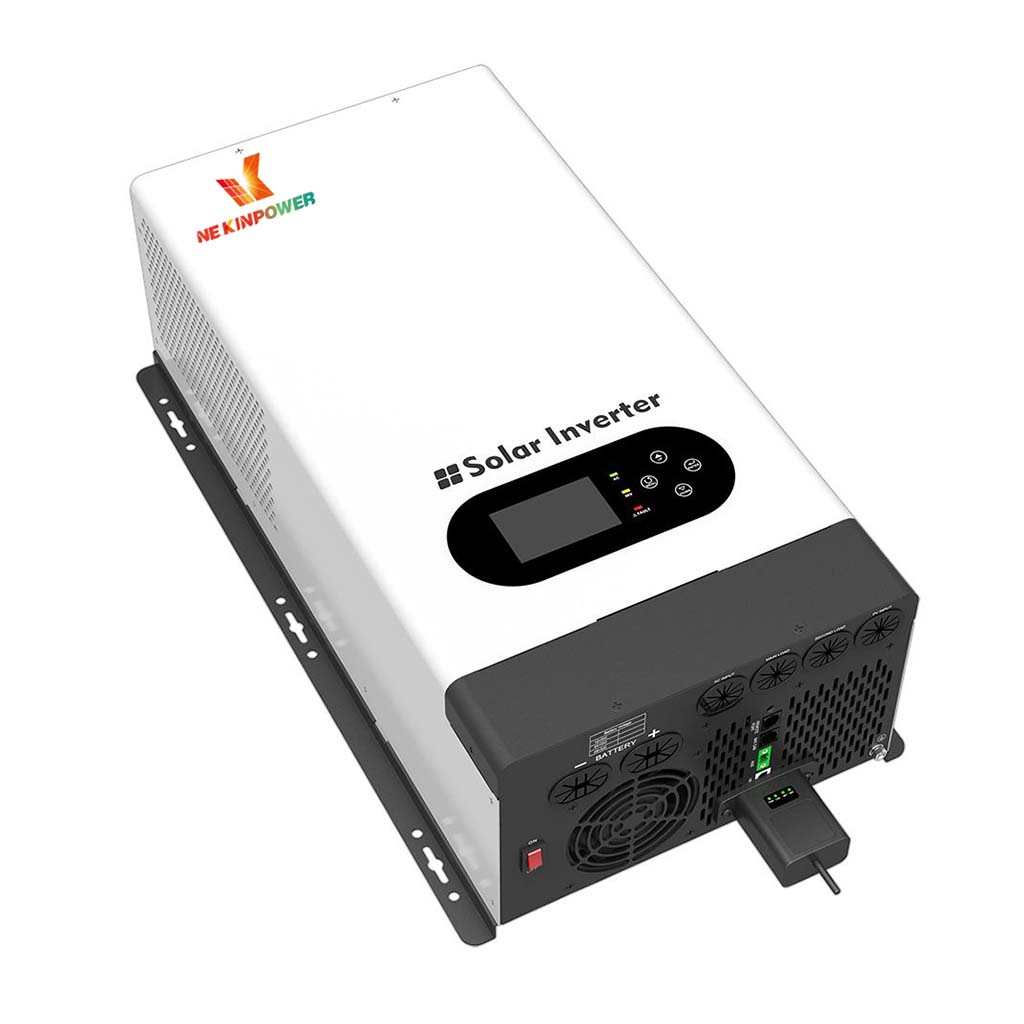
A battery energy storage system (BESS) is a device that stores electrical energy in batteries for later use. It charges from the grid, solar panels, or other generation sources during periods of low demand or high generation, and discharges during peak demand or when generation is unavailable. For commercial and industrial buyers, understanding BESS architecture, battery chemistry options, and scale classifications is essential for making informed procurement decisions.
BESS Core Components
A battery energy storage system consists of five primary components. The battery modules store the electrical energy, typically using lithium iron phosphate (LiFePO4) or nickel manganese cobalt (NMC) cells. The battery management system (BMS) monitors individual cell voltage, temperature, and current, providing multi-layer protection against over-charging, over-discharging, and thermal events. The power conversion system (PCS) or inverter converts DC battery output to AC power for grid or load connection. The enclosure provides environmental protection, with IP65 ratings suitable for outdoor installation. The thermal management system regulates battery temperature to maintain performance and safety. LiFePO4 modules with dimensions of 651.5 mm x 445 mm x 235 mm and 51.2V 100AH rating integrate these components into a compact, wall-mountable form factor.
Battery Chemistry Comparison
The choice of battery chemistry defines a BESS's safety profile, cycle life, and total cost of ownership. LiFePO4 batteries achieve thermal runaway resistance above 500 degrees Celsius, while NMC cells reach thermal runaway at approximately 200 degrees Celsius. LiFePO4 delivers 6000 or more charge cycles, compared to 2000-3000 cycles for NMC. For applications requiring 10+ years of service, LiFePO4's longer cycle life reduces replacement frequency and lowers total cost of ownership. Certifications including CE, RoHS, and UN38.3 confirm that the battery system meets international safety, environmental, and transport standards.
BESS Scale Classification
Battery energy storage systems are classified by capacity and application into three scales. Residential BESS uses wall-mounted modules of 5.12 kWh per unit, typically configured for 5-20 kWh total capacity, serving home energy backup and solar self-consumption. Commercial and industrial (C&I) BESS ranges from 20 kWh to several megawatt-hours, supporting peak shaving, demand charge reduction, and backup power for commercial facilities. Utility-scale BESS exceeds 1 MWh, providing grid services such as frequency regulation, renewable integration, and capacity firming. A 1.5 MW solar carport project in Brazil demonstrates C&I-scale BESS integration with solar generation.
Key Applications
BESS applications span residential, commercial, and utility sectors. For homes, a BESS provides backup power during outages and maximizes solar self-consumption. For commercial facilities, the system reduces peak demand charges, provides uninterruptible power supply, and supports energy cost management. For off-grid and remote locations, a BESS enables renewable energy independence. A Maldives installation generating 15 million kWh annually and reducing 50 tons of diesel per year demonstrates how BESS replaces diesel generators in island and off-grid environments. Solar carport integrated storage tiers of 3.84 kWh, 7.68 kWh, 11.52 kWh, and 15.36 kWh serve properties combining parking infrastructure with energy generation.
Safety and Deployment Track Record
The safety record of a BESS technology is a critical procurement criterion. Over 30,000 wall-mounted LiFePO4 energy storage units have been installed across Germany, Australia, and Japan with zero reported safety incidents. This deployment history, combined with the 500+ degrees Celsius thermal runaway threshold and IP65 environmental protection, provides evidence of LiFePO4 BESS reliability across diverse climate conditions and installation environments. The BMS multi-layer protection system, including over-voltage, under-voltage, over-current, short-circuit, and over-temperature safeguards, ensures operational safety throughout the system's service life.
Integration with Renewable Energy
A BESS integrates with solar panels, wind turbines, and hybrid power systems to smooth intermittent generation and provide stable power output. When combined with solar carports, the BESS stores excess daytime solar energy for nighttime use, improving the facility's renewable energy self-sufficiency. The rolling-desk-style energy storage battery with 2-20 kWh capacity provides portable storage that can be repositioned as generation assets change. Solar inverters and tracking brackets, including single-axis and dual-axis designs, work with the BESS to optimize solar capture and energy delivery timing.
FAQ
Q: What does BESS stand for in energy storage?
A: BESS stands for Battery Energy Storage System. It is a system that stores electrical energy in batteries for later use, consisting of battery modules, a battery management system, a power conversion system, an enclosure, and thermal management.
Q: What is the difference between LiFePO4 and NMC for BESS?
A: LiFePO4 offers thermal runaway resistance above 500 degrees Celsius and 6000+ charge cycles, while NMC reaches thermal runaway at approximately 200 degrees Celsius with 2000-3000 cycles. LiFePO4 provides longer service life and higher safety margins for BESS applications.
Q: What size BESS do I need for my application?
A: Residential applications typically use 5-20 kWh wall-mounted systems. Commercial facilities range from 20 kWh to several megawatt-hours. Utility-scale systems exceed 1 MWh. Solar carport integrated storage offers 3.84-15.36 kWh tiers for properties combining parking with energy generation.