
 EN



Two Paths to On-Site Solar Generation
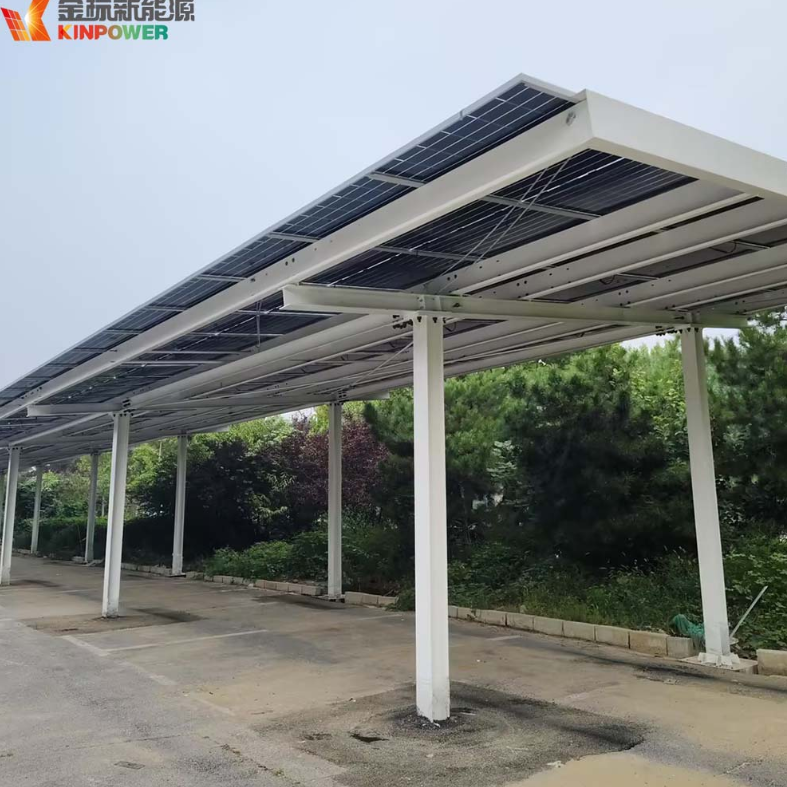
A commercial building with a large flat roof and an equally large parking lot has two distinct solar opportunities. The roof can become a power plant. The parking lot can become a power plant that also shades every vehicle parked beneath it. Rooftop solar and solar carports both convert underutilized space into electricity-generating assets, and both feed that electricity into the building's electrical panel to offset utility consumption. The similarities largely end there. The two approaches involve different structural engineering, different installation logistics, different interactions with the existing property, and different sets of ancillary benefits that go beyond the kilowatt-hours produced. A rooftop system attaches to an existing structure, inheriting its strengths and its limitations. A solar carport is a new, purpose-built structure that happens to carry solar panels as its roof. This distinction defines every aspect of the comparison. The property owner who assumes the two are interchangeable is likely to make a decision based on incomplete information. The property owner who understands the structural, operational, and financial differences can make a choice that aligns with both their energy goals and their broader property strategy.
Structural Requirements and the Existing Roof Condition Factor
The most important variable in the rooftop versus carport decision is the roof itself. A rooftop solar installation places the panels, the racking system, and the associated wind and snow loads onto a structure that was likely designed and built years or decades before solar was contemplated. If the roof has five, ten, or fifteen years of service life remaining, installing solar on it creates a future problem: the solar array will need to be removed and reinstalled when the roof is replaced. This decommissioning and recommissioning cost can significantly erode the financial return of the rooftop system. If the roof is near the end of its life, the logical approach is to replace the roof before installing solar, which adds a major capital expense to the project. A structural assessment by a qualified engineer is mandatory to confirm that the existing roof structure can support the additional weight and the wind uplift forces introduced by the solar panels. A solar carport sidesteps these roof-related risks entirely. It is a ground-mounted structure, anchored to the parking lot surface with concrete footings or driven piles, that carries its own structural loads independent of any existing building. The steel framework is designed specifically to support the solar panels, engineered to local wind and snow load requirements, and fabricated with corrosion protection suitable for decades of outdoor exposure. The carport does not interact with the building's roof, does not depend on the building's structural condition, and does not need to be removed if the building is renovated or reroofed.
Energy Production, Cooling, and the Orientation Advantage
The energy a solar array produces over its lifetime depends on how much sunlight strikes the panels and how efficiently the panels convert that sunlight into electricity. Rooftop arrays are constrained by the orientation of the building they sit on. If the building's roof faces east-west and has a low slope, the panels will be mounted flush, accepting a suboptimal angle and potentially a suboptimal azimuth. Flat roofs offer more flexibility through tilted racking systems, but the tilt angle is often limited by inter-row shading considerations and the available roof area. A solar carport faces no such orientation constraints. The structure is designed from a blank slate. The support columns can be positioned so that the canopy faces true south in the northern hemisphere, at the precise tilt angle that maximizes annual energy production for the local latitude. This optimization can yield a meaningful energy production advantage over a rooftop array that must follow the building's roofline. The cooling advantage is the second energy factor. Solar panels lose efficiency as their temperature rises. A rooftop panel mounted a few inches above a hot roof surface operates in a high-temperature microclimate, particularly on summer afternoons when the roof radiates stored heat. A carport panel, elevated well above the ground with open air circulating freely on both sides, operates at a lower temperature and therefore at a higher efficiency. This cooling effect is measurable and persistent over the life of the system.
The Dual-Use Value and the Non-Energy Benefits
The rooftop solar array does one thing: it generates electricity. A solar carport generates electricity and simultaneously transforms the parking lot experience. The shade provided by the canopy keeps vehicles cooler in summer, protecting interiors from UV damage and reducing the blast of heat that greets drivers when they return to their cars. This shade also reduces the heat island effect of the parking lot itself. An unshaded asphalt lot absorbs solar radiation and re-radiates it as heat, raising the ambient temperature of the entire property. A carport canopy intercepts that radiation and converts a portion of it into electricity, reducing the thermal load on the surrounding area. For commercial properties that serve customers, the shaded parking is an amenity that differentiates the business from competitors. For employees, it is a daily quality-of-life improvement. The electric vehicle charging integration is the third dual-use benefit. A solar carport provides a natural platform for mounting electric vehicle supply equipment. The power generated above the parking spaces can be directed to chargers mounted on the carport columns, creating a shaded, solar-powered charging station that adds another layer of functionality and future-proofing to the property.
Cost, Payback, and the Long-Term Financial Comparison
The financial comparison between rooftop solar and a solar carport is not a simple matter of comparing installation cost per watt. The two options have fundamentally different cost structures, different incentive eligibility pathways, and different impacts on the property's overall asset value. A rooftop system has a lower upfront cost per watt in most cases because it uses the existing roof as its foundation and requires less structural material. The racking system is lighter, the installation is faster, and the permitting process is generally more established. The total installed cost reflects these efficiencies. A solar carport requires more steel, more concrete, more engineering, and more site work. The upfront cost per watt is higher. The financial case for the carport, however, includes revenue streams and avoided costs that the rooftop cannot claim. The shaded parking is an asset with real economic value, whether measured in customer preference, employee retention, or the ability to charge a premium for covered parking. The avoided cost of a future roof replacement and a future solar decommissioning and reinstallation is a real but often overlooked financial benefit of the carport approach. If the property owner is considering installing a fabric or metal shade structure over the parking lot anyway, the incremental cost of making that shade structure solar-bearing can be modest compared to building a shade structure and a separate rooftop solar array. The payback period for a solar carport is typically longer than for a rooftop system, but the carport delivers a broader set of returns over a longer service life.
Choosing the Right Partner for Your Solar Structure Investment
Whether the decision leans toward rooftop solar or a solar carport, the performance of the system over its decades of operation depends on the engineering quality of the structure that holds the panels. A rooftop racking system that corrodes, loosens, or creates roof leaks becomes a liability. A carport structure that sways excessively in the wind, pools water on its canopy, or develops rust at its connections undermines both the solar investment and the parking amenity. The steel fabrication quality, the corrosion protection system, the foundation design, and the structural engineering are what determine whether the solar structure performs as intended through decades of weather, thermal cycling, and daily use. Kinpower brings this structural engineering and manufacturing capability to solar carport and solar mounting projects, producing steel structures where the design, fabrication, and quality control align with the long service life of the solar panels they support. For the property owner evaluating solar options, the choice of a manufacturing partner with structural expertise ensures that the solar investment is built on a foundation of durable, properly engineered steel. The solar panels may be the most visible part of the installation, but the structure that holds them is what keeps them generating, safely and reliably, for the full term of the investment. That structural integrity, delivered through manufacturing quality and engineering discipline, is the common requirement of both paths to on-site solar generation.
Table of Contents
- Two Paths to On-Site Solar Generation
- Structural Requirements and the Existing Roof Condition Factor
- Energy Production, Cooling, and the Orientation Advantage
- The Dual-Use Value and the Non-Energy Benefits
- Cost, Payback, and the Long-Term Financial Comparison
- Choosing the Right Partner for Your Solar Structure Investment