
 EN



Closing the Loop from Sun to Wheel
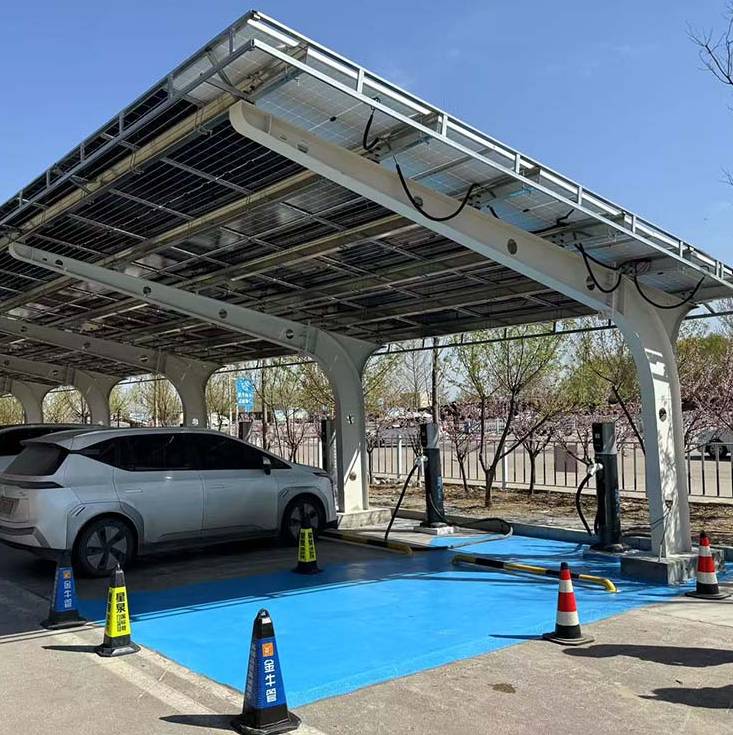
An electric vehicle plugged into a grid-powered charger is only as clean as the electricity that feeds it. If the local grid relies on coal or natural gas generation, the vehicle's tailpipe has simply been moved upstream to a smokestack. The environmental benefit is partial, a shift in the location of emissions rather than their elimination. A solar EV charging station closes this loop. It generates electricity from sunlight on site, converts it to the alternating current or direct current that the vehicle requires, and delivers it to the battery through a charging cable. The energy chain is direct and visible. The panels above the parking space, the inverter on the carport column, the charger mounted at the vehicle's nose, and the battery inside the car are all connected in a single, integrated system. This is the defining benefit of a solar EV charging station. It makes the zero-emission promise of an electric vehicle genuinely zero-emission from energy source to wheel. For the property owner, fleet operator, or municipality that installs one, the station is not merely a piece of electric vehicle supply equipment. It is an on-site power plant that happens to fuel vehicles, and it delivers all the economic, operational, and strategic advantages that on-site generation entails.
Energy Cost Stability and the Economic Hedge Against Utility Rates
The electricity that a utility sells to a commercial customer has a price that changes over time. Rate cases, fuel surcharges, transmission costs, and peak demand pricing all push the per-kilowatt-hour cost of grid electricity upward over the life of any long-term asset. An electric vehicle fleet that depends on grid power for its fuel is exposed to this price trajectory. A solar EV charging station replaces a variable, rising-cost fuel supply with a fixed-cost, on-site fuel supply. The sunlight that strikes the carport canopy is free. Once the system is installed and commissioned, the marginal cost of the electricity it generates is negligible, limited to the modest maintenance of cleaning panels and inspecting electrical connections. Over a system life measured in decades, this cost stability is a powerful economic hedge. Every kilowatt-hour produced by the solar array is a kilowatt-hour not purchased from the utility at whatever rate is in effect that year. For a commercial fleet operator, this transforms vehicle fuel from an unpredictable operating expense into a predictable, largely prepaid cost. For a retail property owner offering free or subsidized charging to customers and employees, the solar array caps the long-term liability of that amenity. The economics of solar EV charging are not about beating the current utility rate in year one. They are about locking in a known energy cost for the next twenty-five years while the utility rate continues its historical upward climb.
Grid Independence, Demand Charge Mitigation, and Power Resilience
Commercial electricity bills include not only energy charges for the kilowatt-hours consumed but also demand charges based on the highest rate of power drawn during any short interval in the billing period. Electric vehicle chargers, particularly high-speed direct current fast chargers, can create enormous demand spikes when multiple vehicles plug in simultaneously. A single fast charger can draw enough power to double a facility's peak demand for the month, triggering a demand charge that dramatically increases the total bill. A solar EV charging station with integrated battery storage addresses this problem at its source. The solar array generates power during the day. The battery stores excess solar generation and discharges it when vehicles need charging, smoothing the power draw from the grid. The charging management system schedules vehicle charging to align with solar production and battery availability, minimizing the simultaneous high-power draws that trigger demand charges. The result is a charging station that places a far smaller burden on the electrical grid and on the facility's utility bill than a grid-only charger of equivalent capacity. The battery storage component also provides a resilience benefit that a standalone grid charger cannot offer. During a grid outage, a solar and battery system can continue to charge vehicles, or at minimum maintain the charge of vehicles that are plugged in, providing a level of energy security that is valuable for emergency response fleets, municipal service vehicles, and businesses in areas prone to weather-related power disruptions.
The Shade and Shelter Asset That Generates Revenue
A solar EV charging station housed under a carport canopy is not a collection of separate pieces installed independently. It is an integrated structure where the shade canopy, the solar panels, and the charging equipment are designed and built as a single system. This integration creates value beyond the sum of its parts. The canopy shades the vehicles beneath it, keeping them cooler in summer, protecting interiors and exteriors from UV exposure, hail, and tree debris, and eliminating the blast of heat that greets drivers returning to their cars. For employees who park in the same lot every workday, this is a daily quality-of-life benefit. For customers of a retail business, shaded parking is an amenity that differentiates the property from competitors. For fleet vehicles, the shelter reduces the thermal stress on the vehicles themselves, potentially extending the life of paint, interiors, and batteries. These shade and shelter benefits have real economic value independent of the electricity the system generates. A property owner who is already planning to build a shade structure over a parking lot can incorporate solar and charging capability for an incremental cost that is far less than building a separate shade structure, a separate rooftop solar array, and separate ground-mounted chargers. The solar carport becomes a single capital project that delivers shade, power, and vehicle fueling in one coordinated investment.
Brand Value, Regulatory Compliance, and the Stakeholder Signal
A solar EV charging station is a visible, unmistakable statement. Unlike rooftop solar, which is often invisible from ground level, a solar carport with integrated chargers is seen by every person who drives past, walks past, or parks beneath it. The message it communicates is that the property owner has invested in clean energy and clean transportation, not as a future intention but as an operating reality. For a business that serves environmentally conscious customers, this visibility translates into brand differentiation and customer preference. For an employer competing for talent, it is a tangible demonstration of corporate values that recruiting materials can describe but a physical installation proves. For a municipality, it is a public commitment to sustainability goals that constituents can see and use. Beyond the brand signal, solar EV charging stations are increasingly relevant to regulatory compliance. Building codes in a growing number of jurisdictions require new commercial construction to include solar-ready or solar-equipped parking areas. Zoning ordinances are beginning to mandate a certain percentage of parking spaces be equipped with EV chargers. A solar EV charging station satisfies both requirements in a single installation, positioning the property ahead of the regulatory curve rather than scrambling to catch up when mandates take effect. These stakeholder and regulatory benefits are difficult to quantify on a spreadsheet, but they are primary motivations for many of the organizations that invest in solar charging infrastructure.
The Structural Foundation That Supports a Long-Term Energy Investment
A solar EV charging station is a long-lived asset. The solar panels carry a performance warranty measured in decades. The steel carport structure that supports them should match that service life. The durability of the system, its resistance to wind, snow, corrosion, and the daily vibration of vehicles and chargers, depends on the engineering quality of the steel framework that ties everything together. A carport structure fabricated from properly specified steel sections, with a corrosion protection system appropriate to the local environment, with connections designed for fatigue resistance under repeated thermal cycling, and with foundations engineered for the specific soil conditions of the site, will support the solar and charging equipment for the full term of the investment. Kinpower designs and manufactures steel structures for solar carports and solar EV charging stations with this structural integrity as the foundation of the system's value. For the commercial property owner, the fleet operator, or the municipal planner investing in solar EV charging, the choice of a manufacturing partner with demonstrated steel fabrication and engineering expertise ensures that the system's energy and economic benefits are delivered reliably over decades of operation. The solar panels generate the power, the chargers deliver it to the vehicles, but the steel structure holds everything in place, safely and durably, through every weather event and every charging session. That structural reliability is the quiet enabler of all the benefits that a solar EV charging station provides.
Table of Contents
- Closing the Loop from Sun to Wheel
- Energy Cost Stability and the Economic Hedge Against Utility Rates
- Grid Independence, Demand Charge Mitigation, and Power Resilience
- The Shade and Shelter Asset That Generates Revenue
- Brand Value, Regulatory Compliance, and the Stakeholder Signal
- The Structural Foundation That Supports a Long-Term Energy Investment