EN
EN



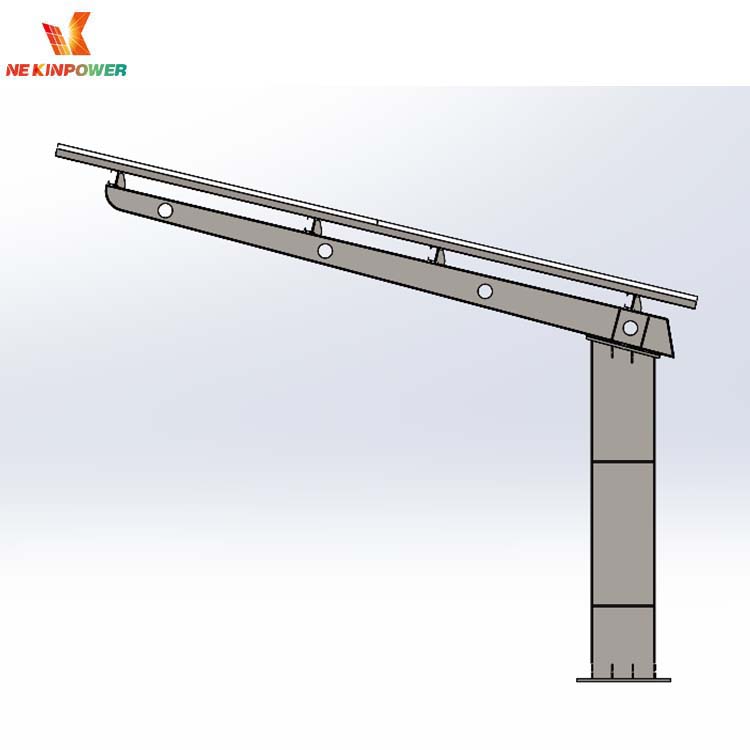
Minimalist photovoltaic carport frame - Low cost
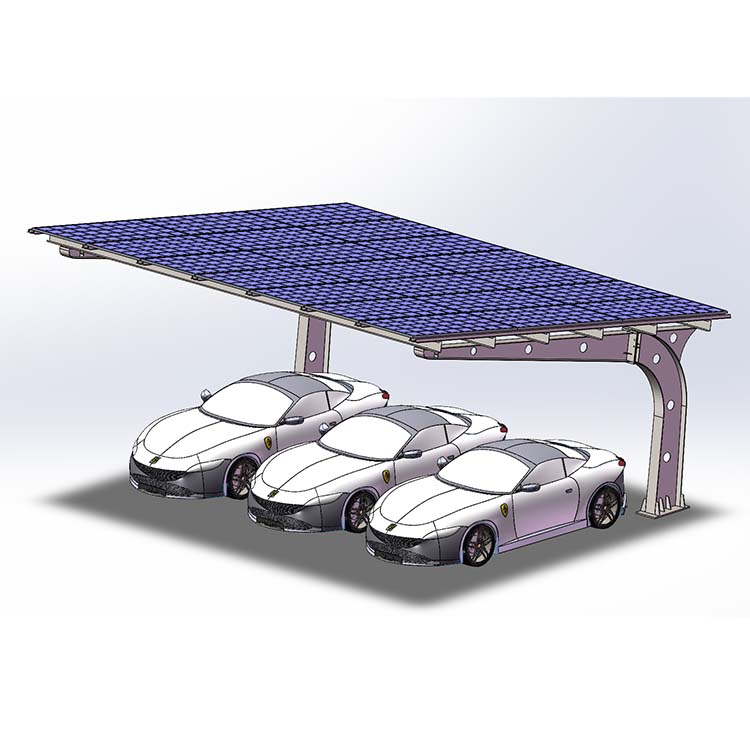
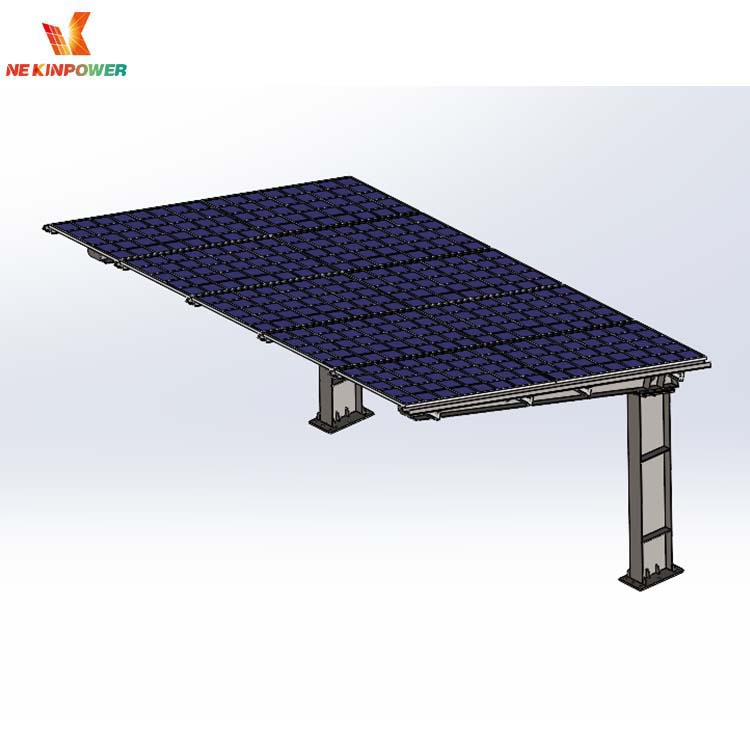
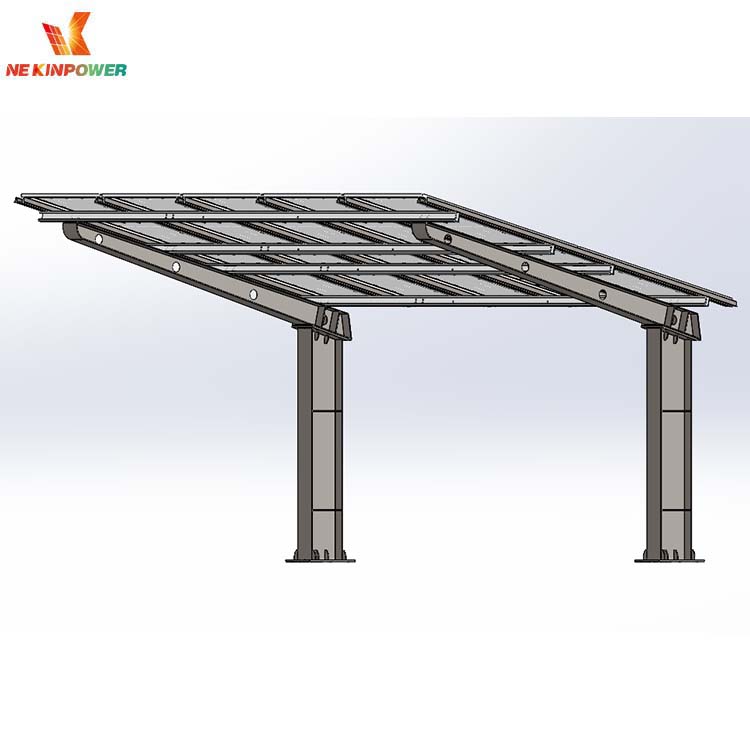
This photovoltaic car shelter support structure has the simplest design among the styles produced by our factory. Therefore, the cost is relatively low. This minimalist photovoltaic car shelter support is a project that has no specific requirements for the design but has high demands for cost control.
- Overview
- Recommended Products
Minimalist photovoltaic carport frame - Low cost
This photovoltaic car shelter support structure has the simplest design among the styles produced by our factory. Therefore, the cost is relatively low. This minimalist photovoltaic car shelter support is a project that has no specific requirements for the design but has high demands for cost control.
Initial investment cost is low
Due to its extremely simple design, we have eliminated the need for complex diagonal braces, multi-directional connecting plates and non-standard stamping parts. Compared to conventional photovoltaic car shelters on the market, this product can reduce the overall material cost by 20% to 30%. It is an ideal choice for projects with limited budgets such as school playground parking areas, township public parking lots, and parking shelters for employees of small and medium-sized enterprises.
Extremely fast production and delivery cycle
The simple structure means fewer cutting, welding and drilling processes. Standard factory orders can be produced and shipped within 10 to 15 working days, which is 25% shorter than the production time for other styles.
Dumbbell-style rapid installation
The system mainly uses bolt connections, with clear nodes and a small variety of parts. Ordinary construction teams can complete the assembly by referring to the simple drawings without professional training, reducing the installation labor cost by approximately 30%. At the same time, due to the open structure, the cleaning, replacement of photovoltaic components, and cable maintenance in the later stage are extremely convenient.
Reliable foundation bearing capacity
Although the design is extremely simple, we still ensure structural safety. By optimizing the column spacing (typically recommended at 5-6 meters) and conducting reasonable wind tunnel simulations, the system can withstand a basic wind pressure of 0.4-0.6 kN/m² and a snow load of 0.3 kN/m² (adjusted according to local meteorological conditions), meeting the usage requirements of most non-extreme climate areas.
Flexible photovoltaic adaptability
Compatible with the mainstream framed crystalline silicon modules on the market (with sizes ranging from 1650mm to 2278mm), it supports the installation of string inverters on the side of the columns, enabling a seamless integration of "roof power generation + vehicle charging" applications.