 ×
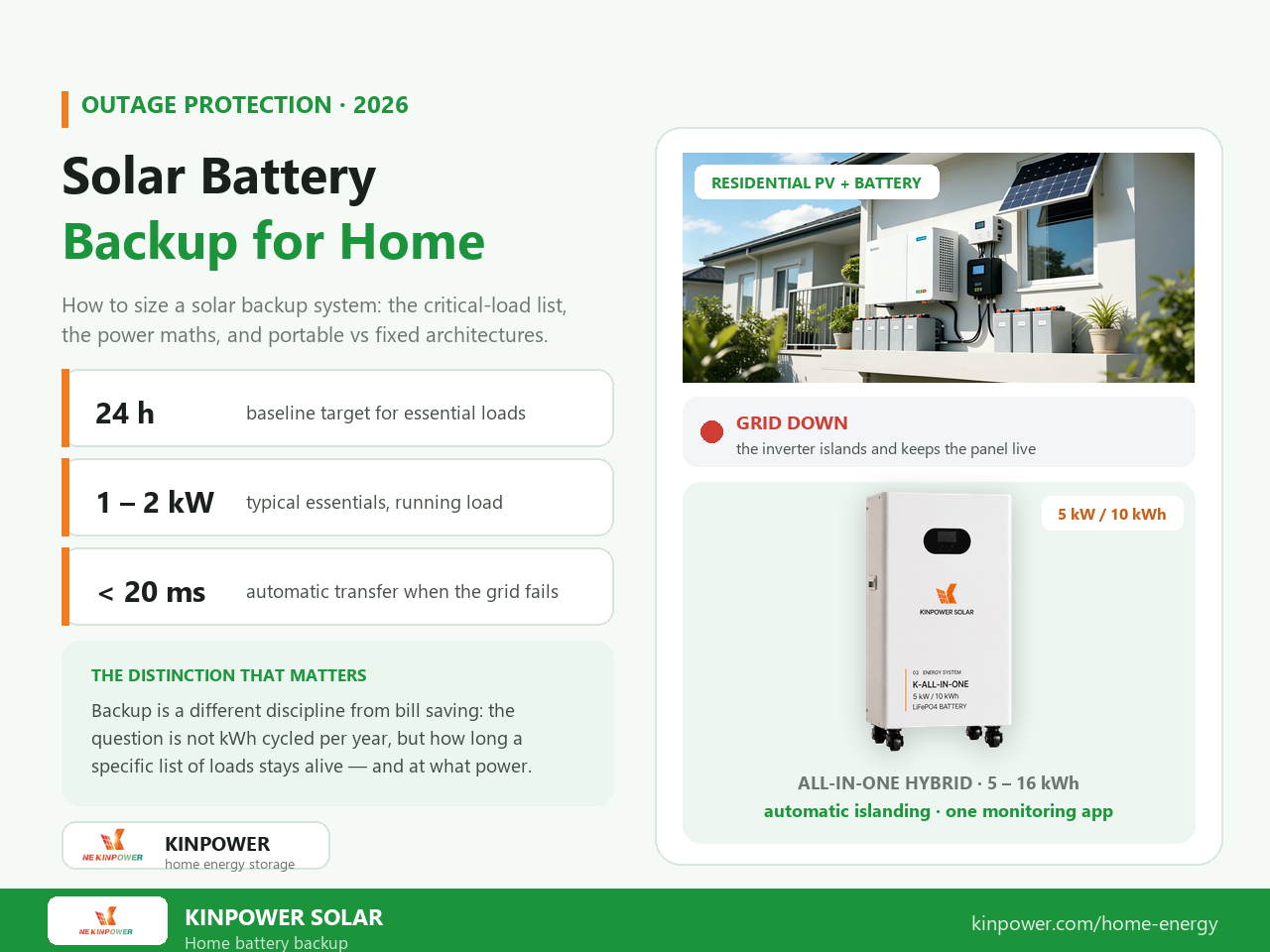
Most conversations about home batteries start with tariff arbitrage — storing cheap midday solar to avoid expensive evening rates. Backup is a different discipline. When the grid goes down, the question is not "how many kWh do I cycle per year" but "how long can I keep this specific list of loads alive, and at what power?"
That distinction changes every number in the design. A 10 kWh battery optimised for bill savings may back up a whole house for two hours, or the essentials for eighteen. Both are valid; they are simply different products.
This guide covers how to specify a solar backup system for home properly — the load list, the power maths, and the choice between portable and fixed architectures.
Before comparing hardware, write down what must keep running. Most households converge on a similar list:
|
Priority |
Load |
Power |
Notes |
|
1 |
Fridge / freezer |
150 – 400 W |
Cycling; use average, not peak |
|
1 |
LED lighting |
50 – 200 W |
Small, but essential after dark |
|
1 |
Internet / router / phones |
20 – 60 W |
Low power, high psychological value |
|
2 |
Well pump or sump pump |
500 – 1,500 W |
High surge — check inverter rating |
|
2 |
Heating circulator or fan |
100 – 500 W |
Seasonal |
|
3 |
Microwave / kettle |
1,000 – 2,500 W |
Short bursts |
|
3 |
Medical equipment |
Varies |
Must be on the essential circuit |
|
4 |
Air conditioning |
1,500 – 4,000 W |
Storage-limited; usually excluded |
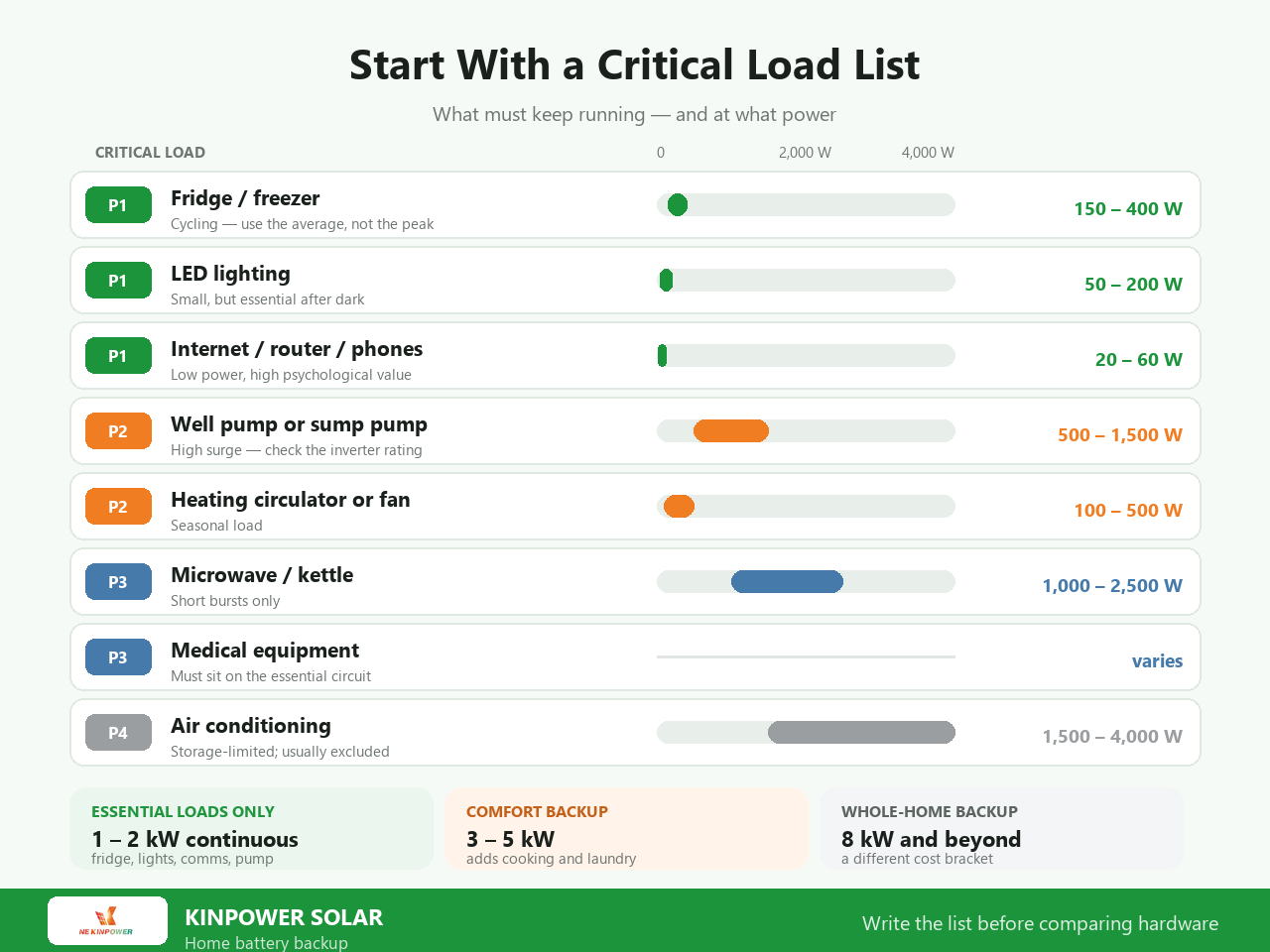
Essential loads only typically total 1–2 kW continuous. Comfort backup adds cooking and laundry at 3–5 kW. Whole-home backup — including EV charging or electric heating — pushes beyond 8 kW and into a very different cost bracket.
Worked example: 1.5 kW of essentials for 12 hours = 18 kWh. Adding a 10% reserve for inverter losses and 10% for end-of-life degradation gives a target of about 22 kWh nameplate at 90% depth of discharge.
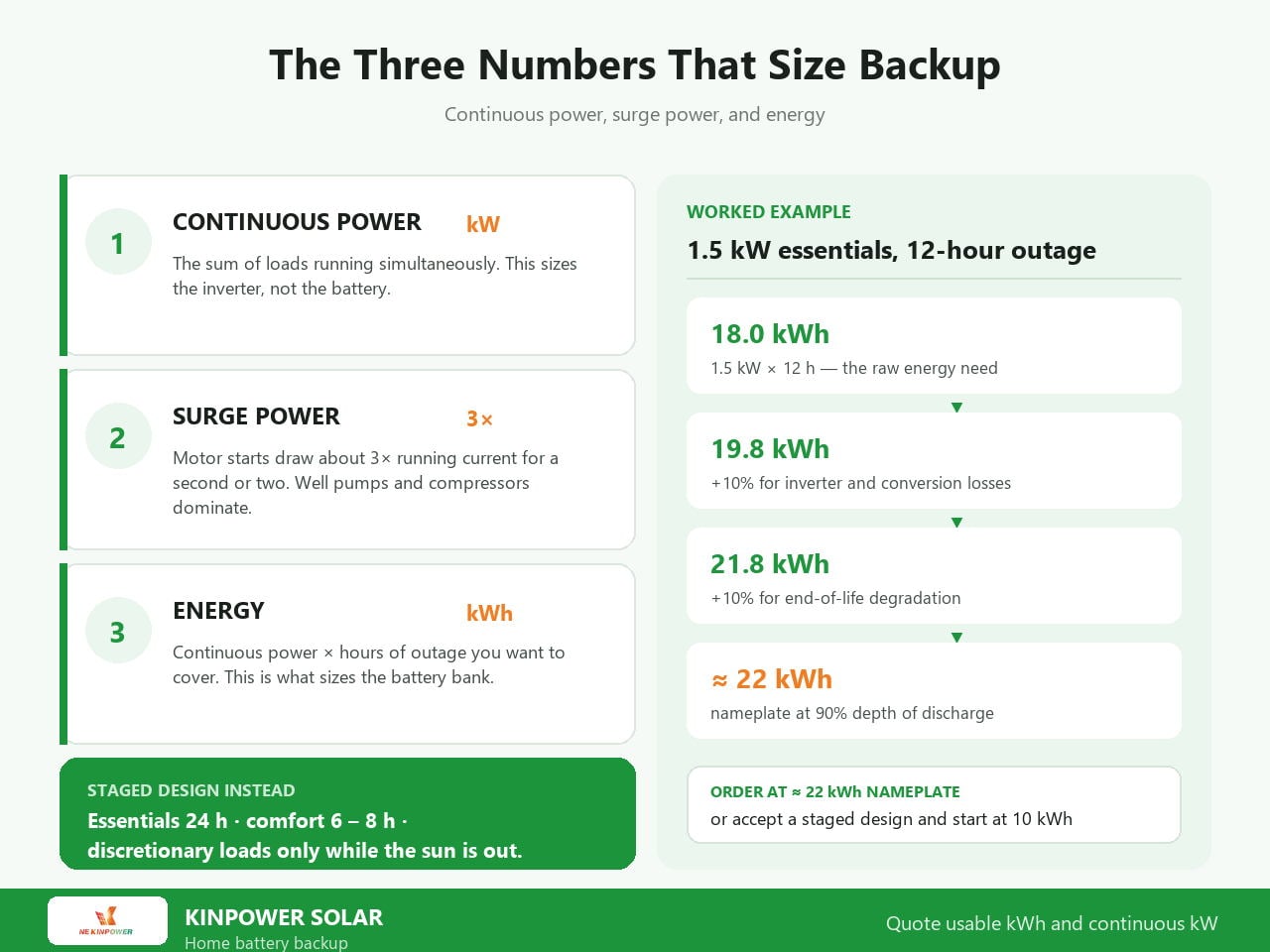
That is a large system. Most households instead accept a staged design: essentials for 24 hours, comfort loads for 6–8 hours, and discretionary loads only when the sun is out and the battery is refilling.
Two architectures dominate the residential market, and they suit different priorities.
|
Portable solar generator |
Fixed battery cabinet |
|
|
Capacity |
1 – 10 kWh |
5 – 32 kWh |
|
Installation |
None — plug in |
Electrician, permits, transfer switch |
|
Backup scope |
Specific appliances |
Whole-home or essential circuits |
|
Mobility |
Fully movable |
Fixed |
|
Cost per kWh |
Higher |
Lower |
|
Best for |
Apartments, renters, emergency prep |
Homeowners wanting integrated backup |
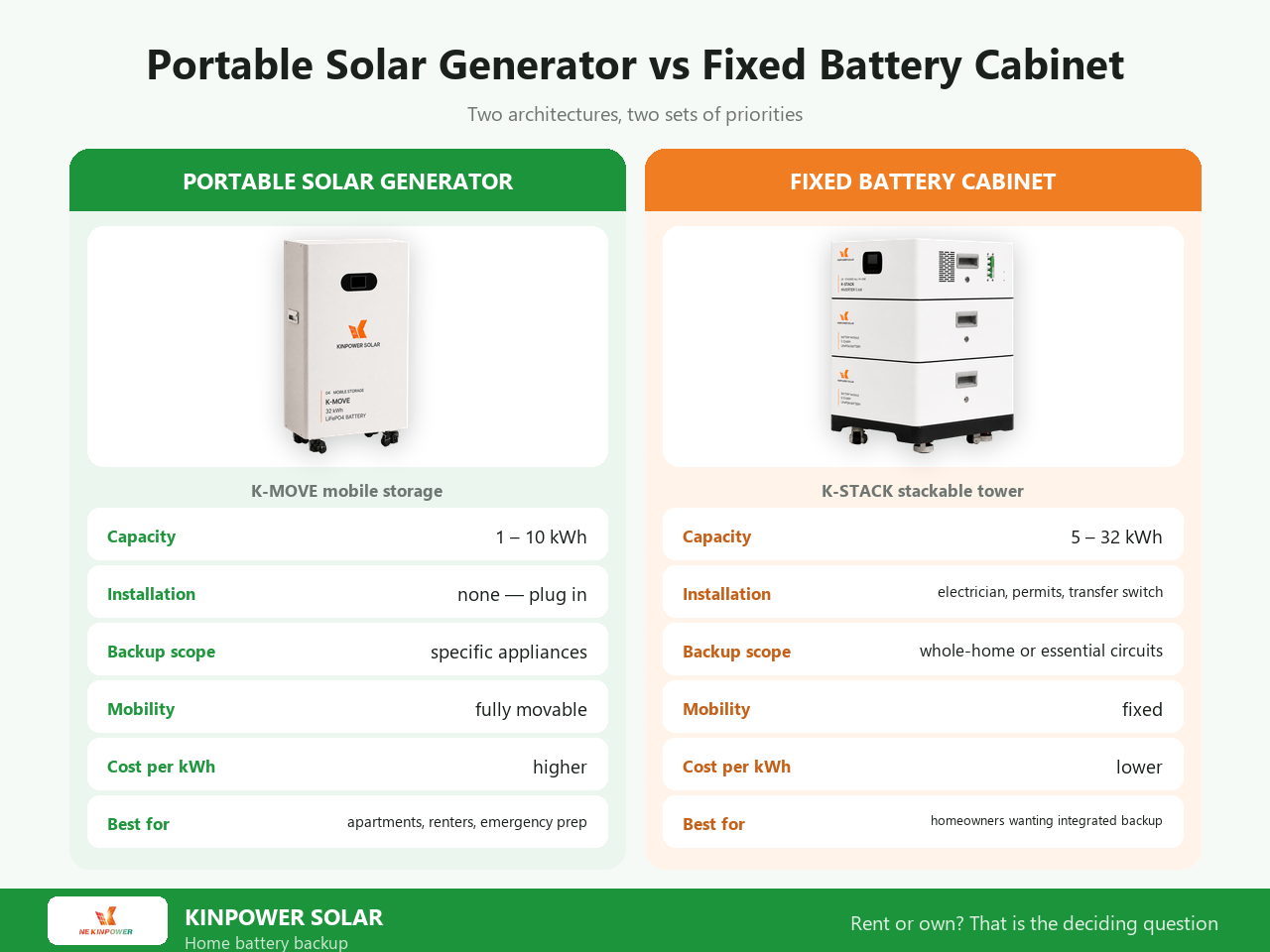
A solar generator for home backup is ideal when you rent, move frequently, or want protection that does not depend on installation. A solar generator with battery storage in the 5–10 kWh range can run a fridge, lights and internet for a day and recharge from panels or a wall socket.
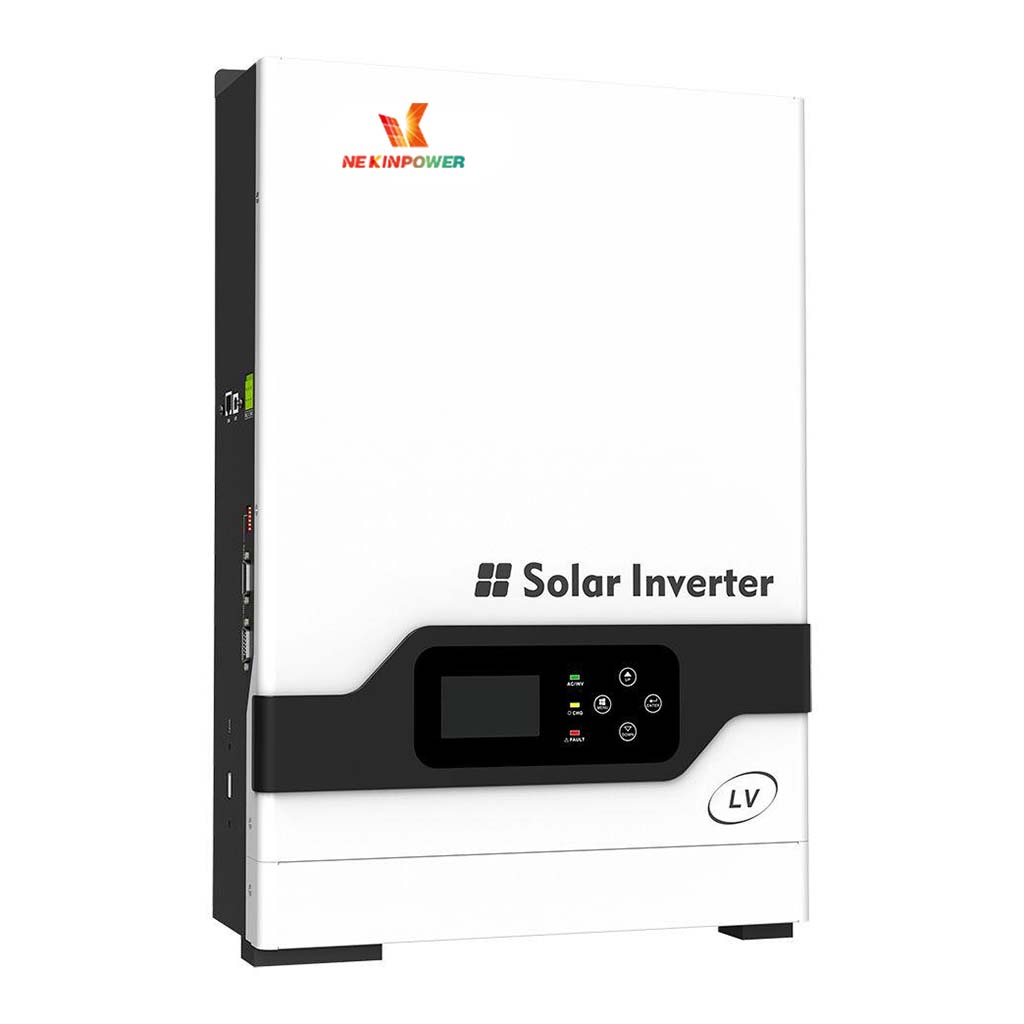
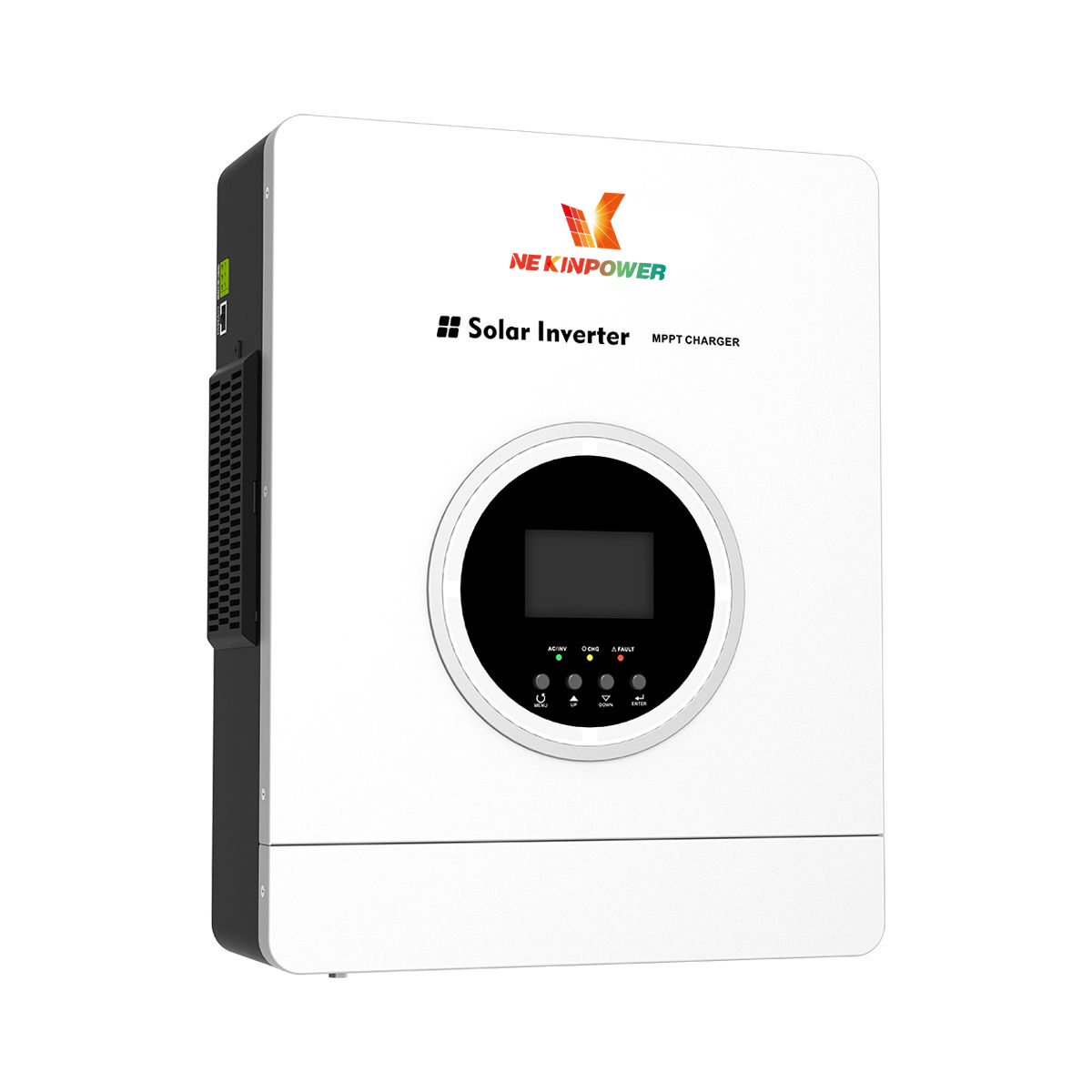
A fixed system, by contrast, is what most people mean by battery backup for solar power systems: a wall-mounted or floor-standing battery integrated with the home's hybrid inverter, automatically islanding the essential-loads panel when the grid fails. This is the architecture that makes backup seamless — no extension leads, no manual switching.
The solar power and battery backup combination delivers something a battery alone cannot: indefinite outage coverage, as long as the sun returns. A battery-only system drains and stays drained; a solar panels and batteries for home installation refills every morning. In a long outage, PV plus 10 kWh often outperforms a battery-only 20 kWh system.
Requirements for this to work:
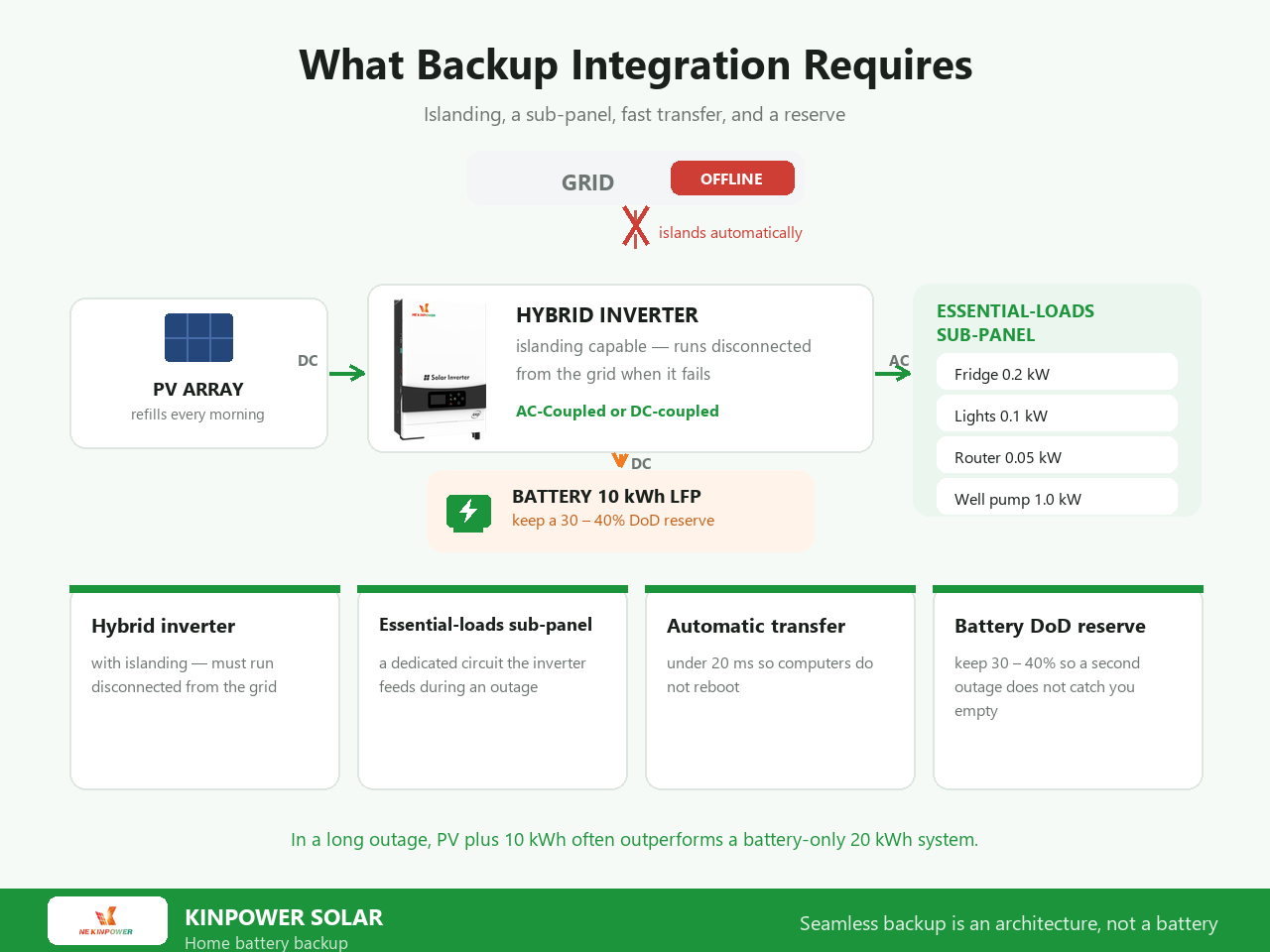
The cost of a backup battery for solar system installation depends far more on scope than on hardware.
|
Configuration |
Backup capability |
Installed cost |
|
Portable 2 kWh power station |
Fridge + lights, ~8 h |
$1,500 – $2,500 |
|
Portable 5–10 kWh system |
Essentials, 1–2 days |
$4,000 – $8,000 |
|
Fixed 10 kWh + hybrid inverter |
Essentials, 1 day |
$9,000 – $14,000 |
|
Fixed 20–30 kWh + sub-panel |
Whole home, 1–2 days |
$18,000 – $32,000 |
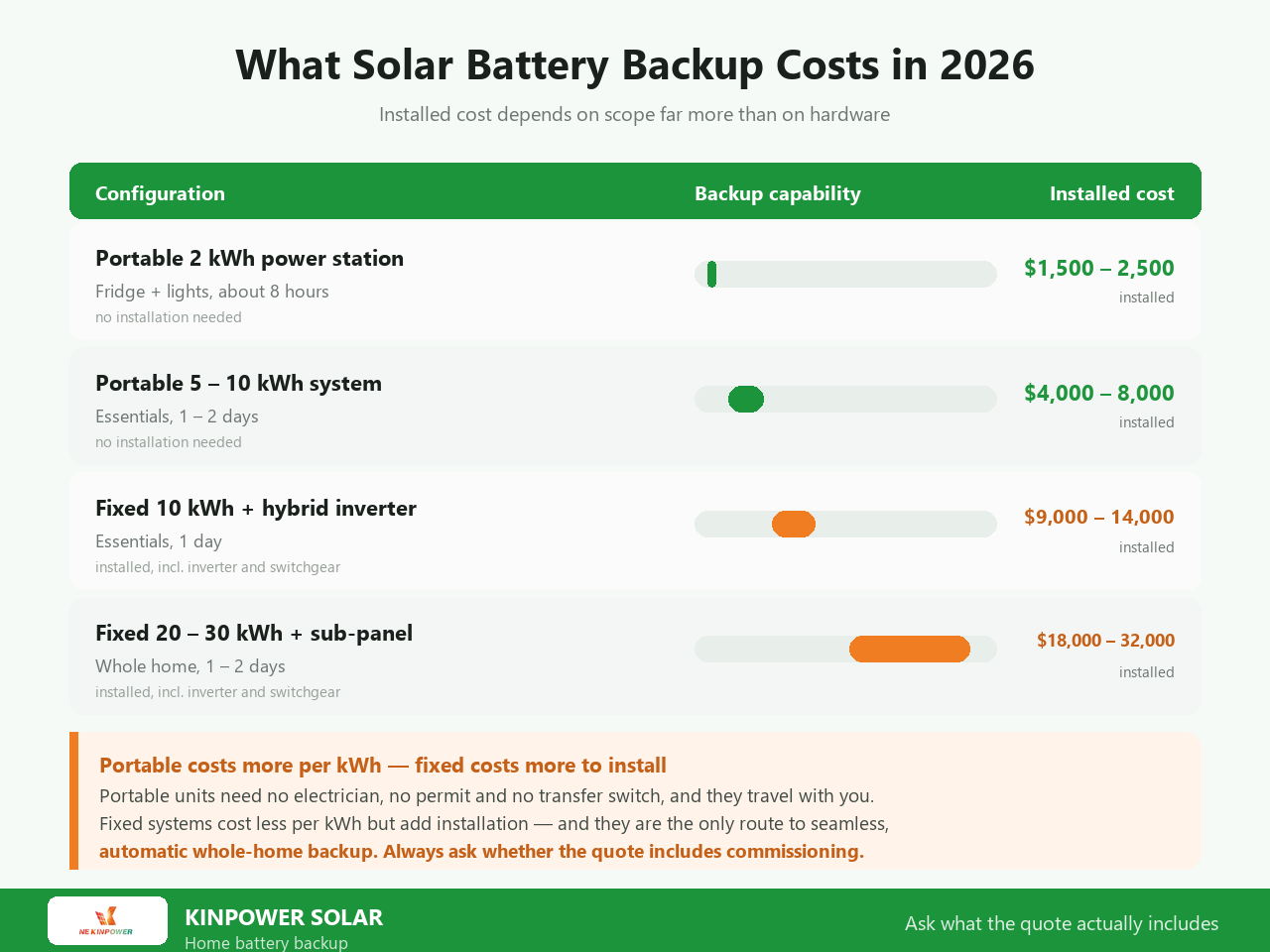
Portable solar home generators for power outages cost more per kWh but require no installation and can be used anywhere — including away from home.
Storage capacity alone does not answer "how long will it last" — the load does, and the load changes during an outage. Most households run everything for the first hour, then settle into a much smaller baseline once the novelty passes.
A practical staging model for a 10 kWh bank:
|
Phase |
Typical load |
Duration on 10 kWh |
|
Hour 1 — everything on |
3 – 5 kW |
~2 hours |
|
Steady state — essentials |
1 – 1.5 kW |
~7 hours |
|
Night mode — fridge, lights, comms |
0.5 – 0.8 kW |
~14 hours |
|
With solar recharging next morning |
net positive by midday |
indefinite |
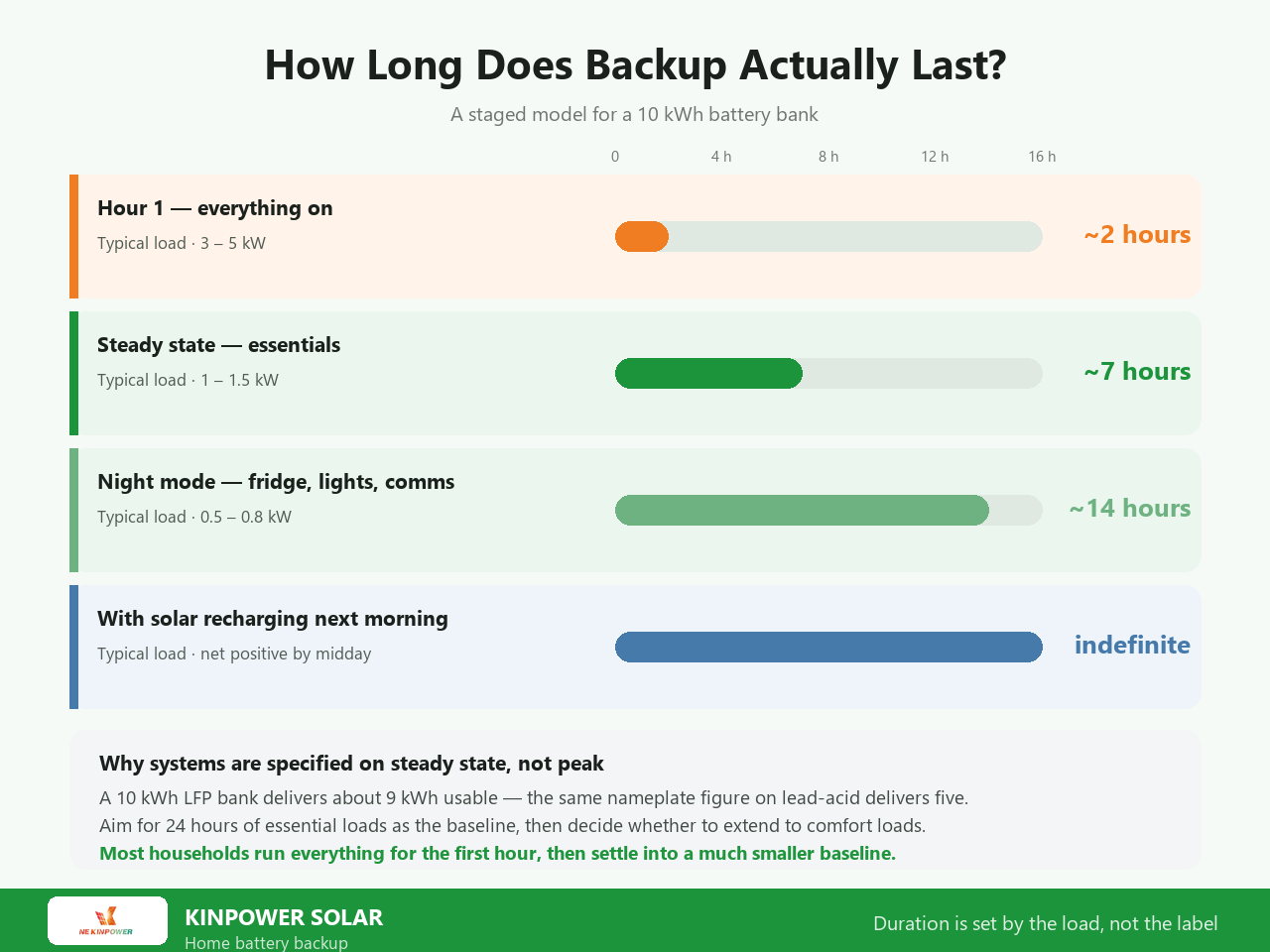
This is why most battery backup solar power systems are specified around a steady-state load rather than a peak, and why the solar backup batteries themselves are chosen for usable capacity rather than headline kWh. A 10 kWh LFP bank delivers about 9 kWh usable; the same figure quoted for lead-acid would deliver five.
It also explains the popularity of portable home solar generator systems in the 5–10 kWh class. They cover the essential steady state comfortably, need no installation, and can be moved between properties — a useful property if you want to back up solar power for home use in more than one place.
When sizing any solar back up power for home installation, aim for 24 hours of essential loads as the baseline target, then decide whether to extend to comfort loads. Twenty-four hours covers the overwhelming majority of grid outages; the multi-day events that make headlines are rare, and are usually better handled by keeping a modest reserve plus a plan for the loads you will simply turn off.
Six out of ten households that buy a residential battery backup solar systems package eventually expand it. Starting with an expandable platform costs little extra and avoids a full replacement later.
Q: How long will a 10 kWh battery back up my house? Essentials only (1–1.5 kW): 6–8 hours. Whole home including heating (5 kW+): around 2 hours. If solar is generating, the effective duration is much longer.
Q: Can I use my solar panels during an outage? Only with a hybrid inverter that supports islanding. Standard grid-tied string inverters shut down automatically when the grid fails, for safety reasons.
Q: Is a portable solar generator enough for a whole house? No — portable units cap out around 10 kWh and usually feed specific appliances. Whole-home backup needs a fixed system with a transfer switch.
Q: Will a backup battery also save me money on bills? Yes, if the inverter supports time-of-use scheduling. The same bank can arbitrage peak rates in normal operation and provide backup when the grid fails.
Q: How do I decide between portable and fixed? If you own the property and want seamless whole-home protection, choose fixed. If you rent, move, or want protection that travels with you, choose portable.
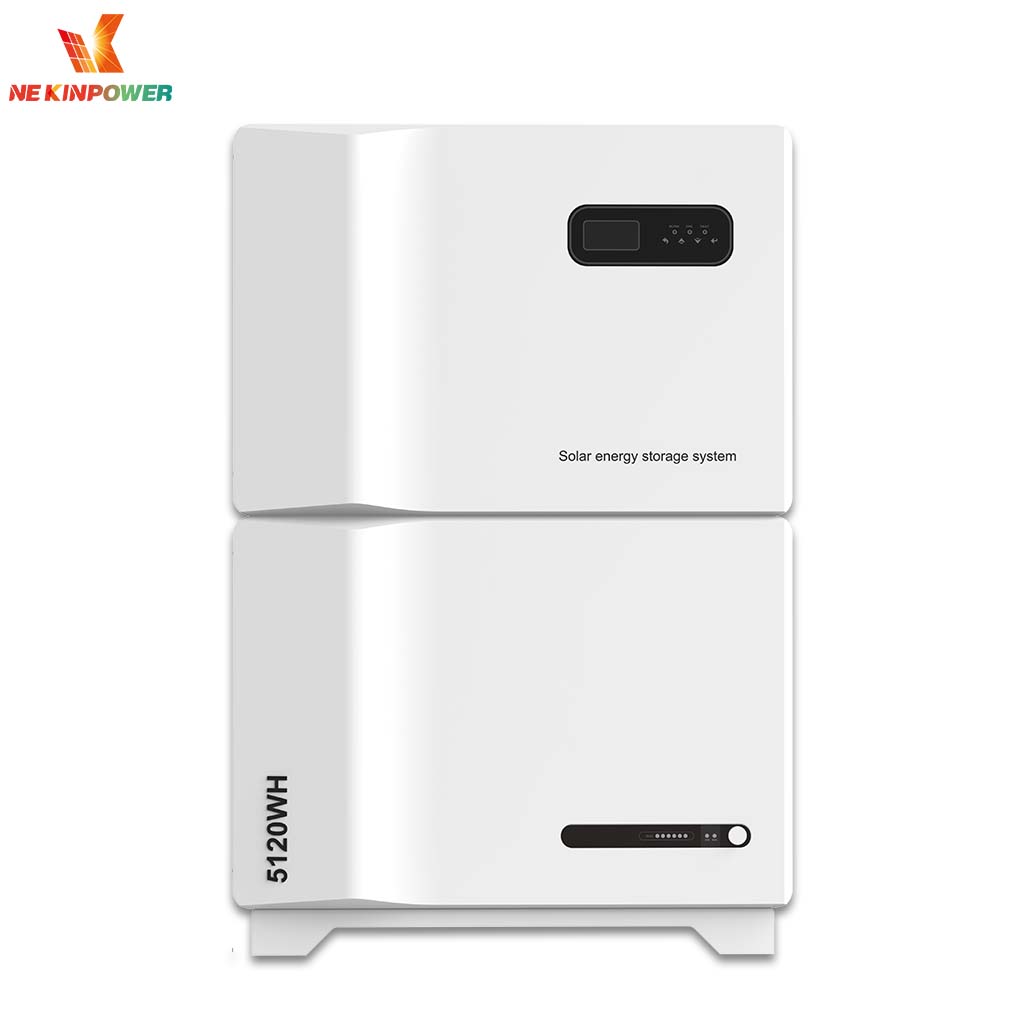
Building outage protection? Kinpower offers stackable LiFePO4 home batteries from 5.12 to 25.6 kWh, floor-standing all-in-one units, and mobile 15–32 kWh storage for portable backup — all with automatic islanding support and one monitoring app. See home energy solutions or browse the full product range.
 Hot News
2026-10-21
2026-10-19
2026-10-16
2026-10-14
2026-10-12
2026-10-10
 EN