
 EN



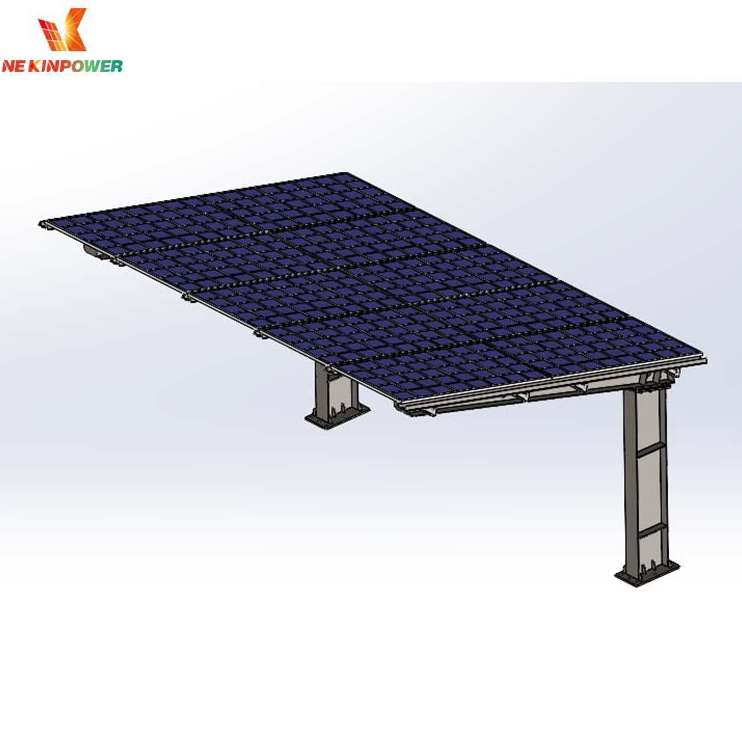
Why a Solar Carport Is Not Just a Parking Shade
A solar carport looks simple from a distance. Cars park under a canopy, and panels sit on top. The real value is that the structure turns empty parking space into a power plant without consuming additional land. For commercial properties with limited rooftop area, that is a significant advantage.
Parking lots are often the most underused asset on a site. They cover large areas, have full sun exposure, and already exist as paved, accessible space. Adding a canopy with solar modules transforms that area into productive infrastructure. The cars below stay cooler, employees walk to the building in the shade, and the business generates electricity at the point of use.
When battery storage is added, the system becomes more than a daytime energy source. It shifts solar production into evening hours, covers charging loads after sunset, and provides backup for critical circuits. That combination changes how a facility manages both energy cost and operational resilience.
How the Power Flow Actually Works
A solar carport generates DC power at the module level. Inverters convert that DC output into AC power for the building. Without storage, any excess power flows back to the grid or gets curtailed. With a battery connected, the energy management system can route surplus production into the battery instead.
The battery discharges when the building needs power most. That might be during an evening cleaning shift, a morning vehicle charging rush, or a peak demand window set by the local utility. The controller decides in real time whether to charge the battery, discharge it, or blend grid power with stored energy.
DC-coupled configurations keep solar and storage on the same bus before inversion. That reduces conversion losses when most solar energy will be stored first. AC-coupled setups are easier to add to existing solar installations but involve additional conversion steps. The table below compares the two approaches.
| Configuration | Conversion Steps | Retrofit Suitability | Efficiency When Storage Heavy |
|---|---|---|---|
| AC coupled | More | High | Slightly lower |
| DC coupled | Fewer | Low to moderate | Higher |
| Solar only, no storage | Minimal | Not applicable | No shifting capability |
| Storage only, grid charged | Depends on system | Moderate | Peak shaving only |
What a Carport Project Teaches About Structural Decisions
Structural design determines whether a solar carport lasts twenty years or becomes a maintenance burden after five. Wind load is the biggest factor. A canopy acts like a large sail, and uplift forces can exceed the weight of the structure itself. Foundation design must account for local soil conditions, frost depth, and wind exposure.
One commercial project in Texas highlighted this. The initial design called for a lightweight steel frame with shallow footings. A soil report showed expansive clay, which swells and shrinks with moisture changes. The footings were redesigned with deeper piers, and the steel columns were upsized. The adjustment added cost, but it prevented the kind of slow movement that cracks pavement and misaligns panel rails.
Cable routing also gets overlooked. Power from carport inverters has to travel back to the building switchgear. If that path crosses drive lanes or drainage channels, the installation gets complicated fast. Planning conduit runs during the structural design phase saves time later.
The Business Case Beyond Simple Payback
Most buyers want a simple payback number, but that metric misses several value streams. A solar carport with storage can reduce energy charges, lower demand charges, and sometimes generate renewable energy credits. It can also create a better employee experience, which is harder to measure but shows up in retention and recruiting.
Demand charge reduction is often the fastest win. Commercial utility bills in many regions include a charge based on the highest fifteen-minute power draw each month. Battery storage can shave that peak by discharging during the worst windows. The savings appear immediately on the next bill.
According to the National Renewable Energy Laboratory, solar canopies also preserve land for other uses, which matters in dense urban or industrial areas. A ground-mount array might produce the same energy, but it consumes space that could support expansion, storage, or additional parking. The carport avoids that tradeoff.
Honest Limitations Worth Knowing Before You Build
Not every parking lot is a good candidate. Shading from nearby buildings or trees can cut production significantly. Older pavement may not support heavy equipment during construction. Local zoning rules sometimes limit canopy height or require setbacks that reduce usable area.
Battery sizing is another common mistake. A battery that is too small will not control demand charges effectively. One that is too large adds upfront cost without delivering proportional savings. The right size comes from interval data, not from a rule of thumb.
Maintenance expectations should also be realistic. Panels need cleaning, inverters need monitoring, and batteries need software updates and occasional service. A system without a service plan will drift from its original performance. That drift is usually slow, but it compounds year over year.
How the Right Manufacturing Partner Reduces Project Risk
Solar carport projects involve many components from different suppliers. Panels, inverters, batteries, steel columns, and foundations all have to fit together on site. When structural components arrive late or do not match the approved drawings, the whole installation schedule slips.
Kinpower supplies steel structures and support systems for solar mounting and related infrastructure. The company operates a manufacturing base in Hebei and serves energy and construction clients with experience in field installation requirements. For developers and EPC teams building solar carports with battery storage, working with a structural supplier that understands how components connect on site reduces coordination problems and keeps the project moving.