 ×
×
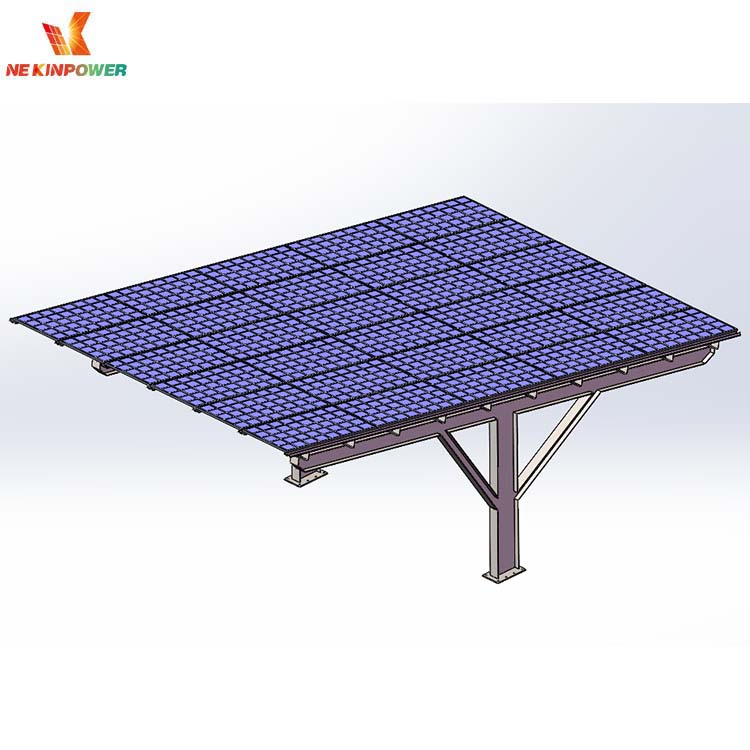
A commercial solar carport converts an underused asset — the parking lot — into a large-scale generation and branding opportunity. Compared with rooftop solar, carports avoid roof-age and warranty issues, deliver a highly visible sustainability statement, and can be planned from day one around EV charging and battery storage.
Wider spans mean fewer columns and better traffic flow, but heavier beams. T-type single-column structures are the commercial workhorse; Y-type and cantilever designs add cost but improve looks for flagship sites. As the solar parking canopy manufacturer, we optimize column layout against your parking plan to cut steel tonnage without sacrificing clearance.
Hot-dip galvanized steel is the default for a 25-year design life. Integrated gutters and concealed cable trays add a little cost upfront and prevent expensive water and maintenance problems later.
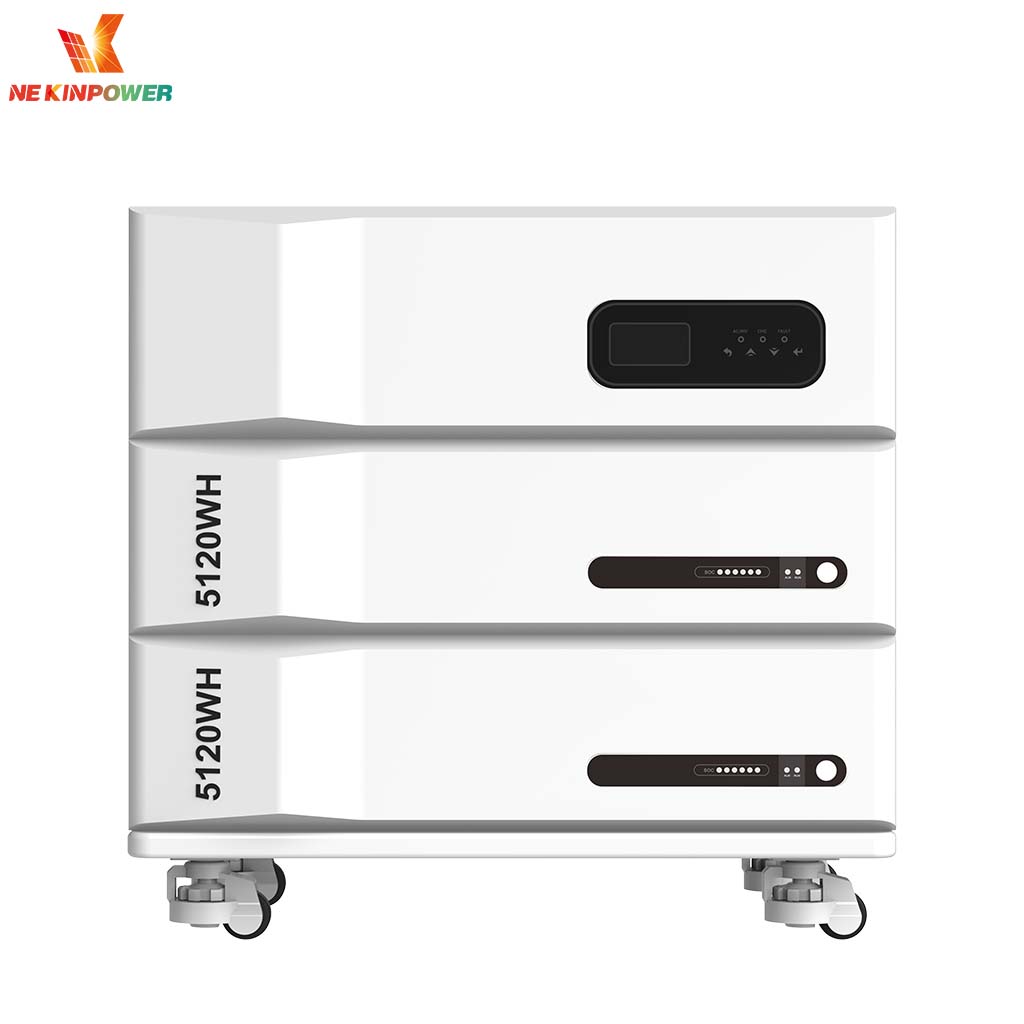
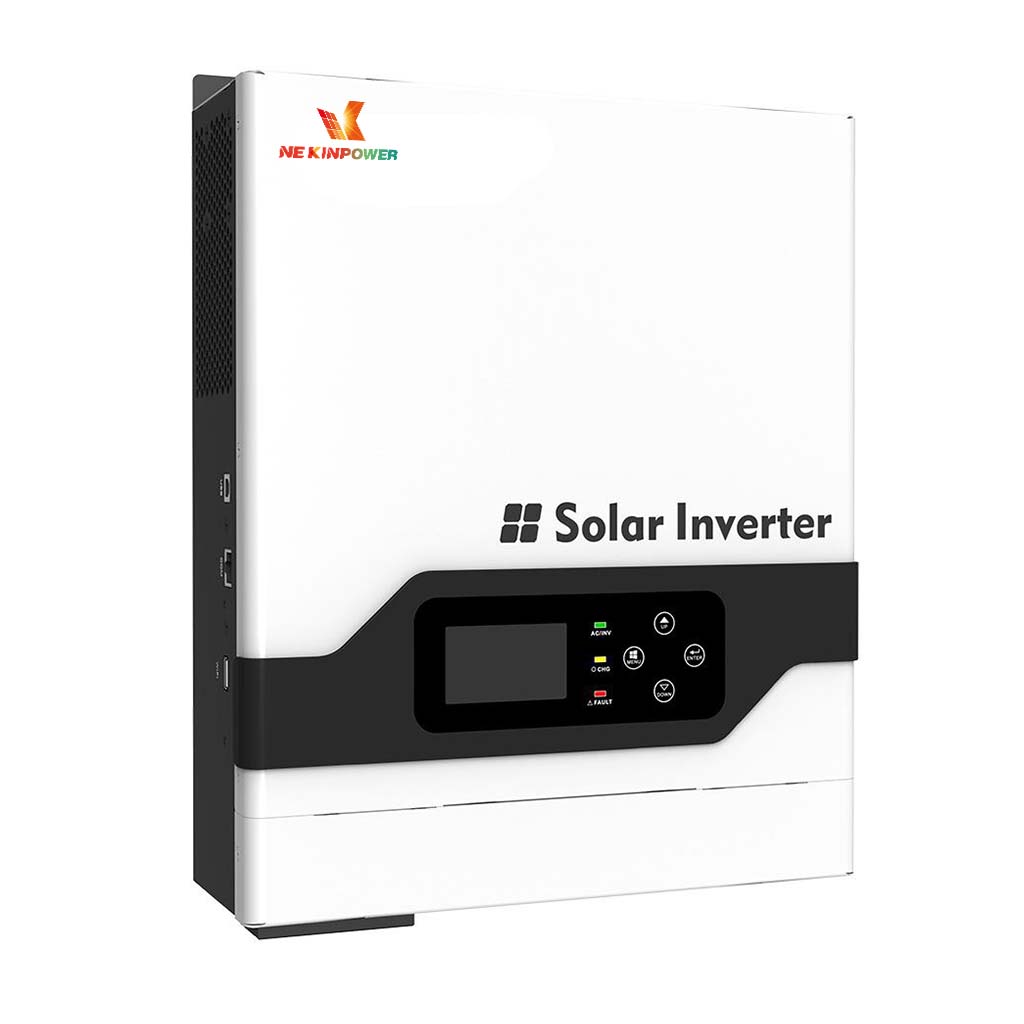
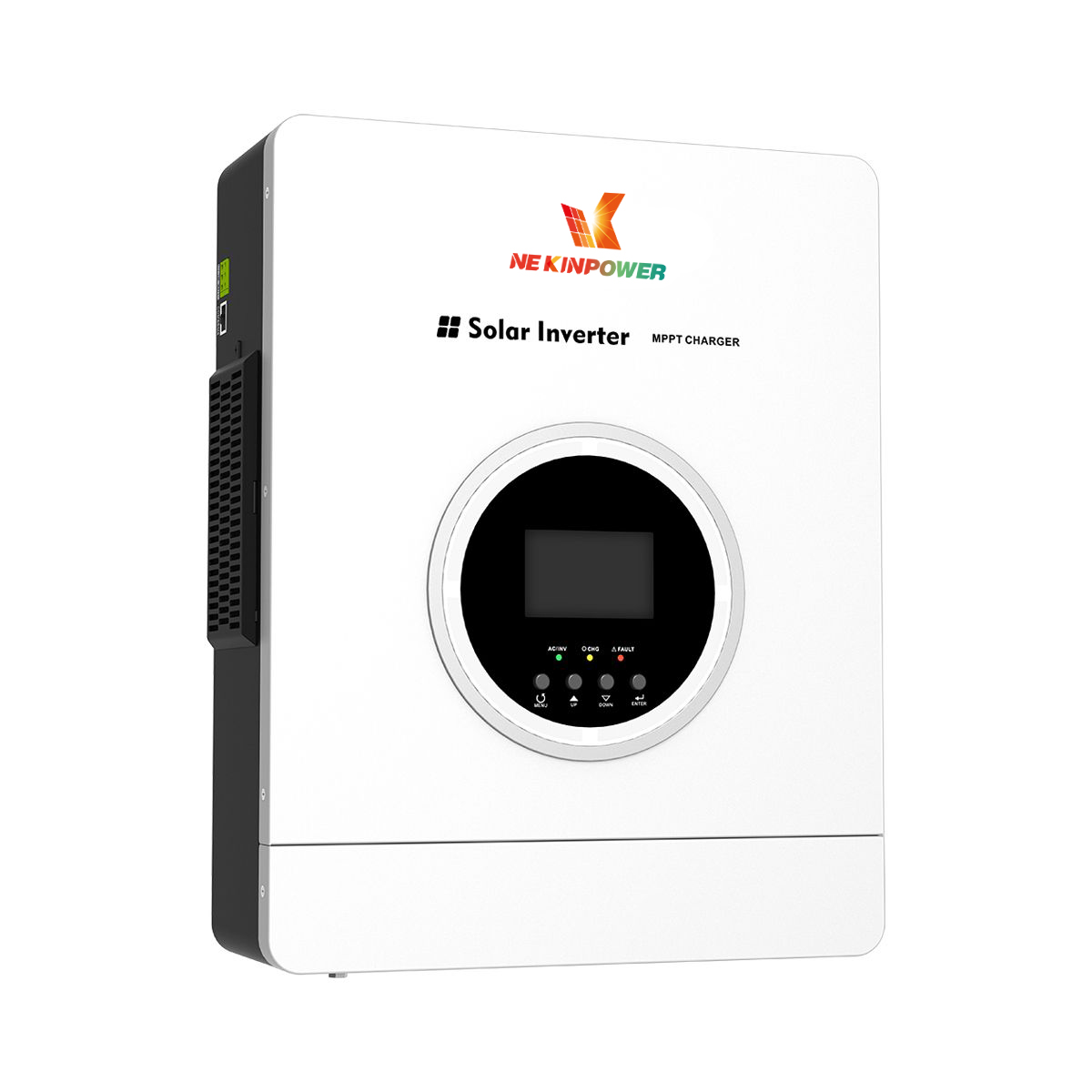
String inverters on column bases vs. central inverters for large fields, DC/AC ratio, and whether the project includes EV chargers and an ESS — these choices shape both capex and revenue.
Commercial carport systems typically land above ground-mount pricing and below or near full rooftop-replacement scenarios, because steel tonnage per kW is the dominant variable. Key levers to reduce cost per kW:
Consider a 500 kW commercial carport on a factory parking lot:
Add brand value, LEED/BREEAM credits and employee parking comfort, and the business case rarely depends on subsidies alone.
Can you match our module brand and layout? Yes — structures are engineered around your chosen module dimensions and tilt; we also support OEM branding for distributor partners.
Do you support tender projects? Yes, including technical documents, structural calculations and container delivery scheduling.
 Hot News
2026-10-08
2026-10-06
2026-09-30
2026-09-28
2026-09-23
2026-09-22
 EN
EN