 ×
×
Home Energy Storage Specifications: What Dealers Should Know
Choosing the right battery starts with understanding the specifications commonly seen in residential installations. For dealers and installers, knowing the home energy storage system sizes used in today's market makes quoting faster, reduces sizing errors, and builds confidence with customers. This guide covers the capacity, power, voltage, and durability values dealers need to compare products and match systems to customer needs.
Battery Capacity (kWh): The First Number Customers Ask About
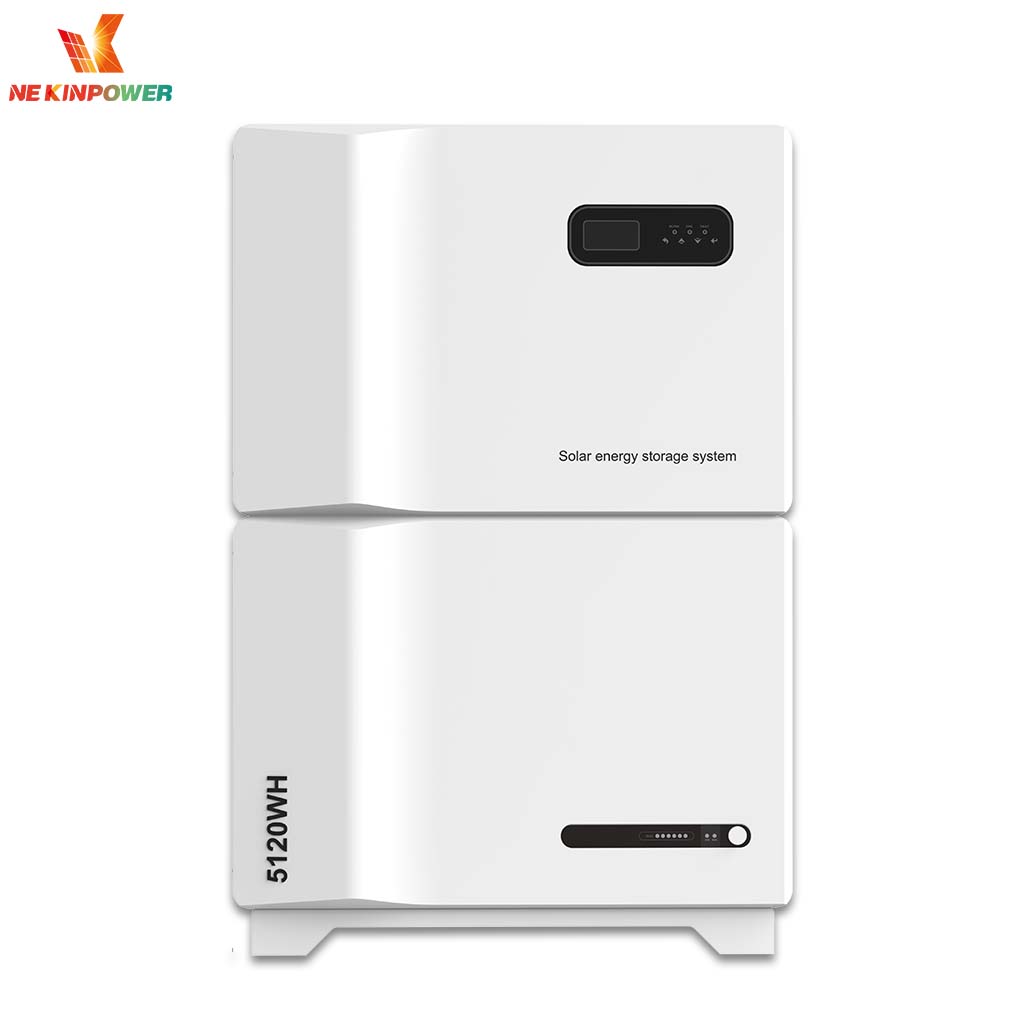
Capacity, measured in kilowatt-hours (kWh), is the total energy a battery can store and return. Residential batteries are commonly sold in modules of 5 kWh, 10 kWh, 13.5 kWh, 15 kWh, and 20 kWh, and multiple modules can be stacked to reach larger totals. The average residential battery installed today provides roughly 12–14 kWh of usable capacity, which corresponds to about 15 kWh of nameplate capacity.
Sizing follows household size and daily consumption:
| Home type | Typical battery capacity |
|---|---|
| Small home under 1,500 sq ft | 5–10 kWh |
| Mid-size home, 1,500–3,000 sq ft | 10–20 kWh |
| Large home over 3,000 sq ft | 20–30 kWh or more |
| Electric heating or long backup needs | 20–30 kWh |
Essential-load backup, covering lights, a refrigerator, and internet, usually needs 7–12 kWh per day. Whole-home backup that includes heating and air conditioning can require 30–40 kWh for a full day, which is why larger homes often install two or three battery units. A practical starting point for a mid-size home is a 10–15 kWh battery paired with rooftop solar; capacity can be added later as consumption grows.
Power Output (kW): Continuous vs. Peak
Power output, measured in kilowatts (kW), controls how many appliances can run at the same time. Continuous power is the steady output a battery maintains; peak power is a short burst used to start motors such as a well pump or air conditioner. Most residential systems provide 3.6–11 kW of continuous power, with 5 kW as a common figure. When two batteries store the same capacity but one has higher continuous power, the higher-power unit can support larger simultaneous loads. This distinction matters for homes with central air conditioning, electric water heaters, or EV chargers, because starting these loads draws a brief surge above their running watts.
Voltage, Chemistry, and Durability
Lithium iron phosphate (LiFePO4, or LFP) is the mainstream chemistry for residential storage because of its thermal stability and long service life. Most systems use a 48V or 51.2V architecture; a 51.2V battery is built from 16 cells in series, each rated at 3.2V, so it connects directly to common solar inverters. Cycle life for LFP residential batteries is typically 6,000 cycles or more at 80% depth of discharge, and round-trip efficiency is usually above 95%. At one cycle per day, 6,000 cycles supports roughly 16 years of use. Depth of discharge indicates how much of the rated capacity can be used in daily operation, and many LFP systems allow 80–100%.
Matching Specifications to Customer Needs
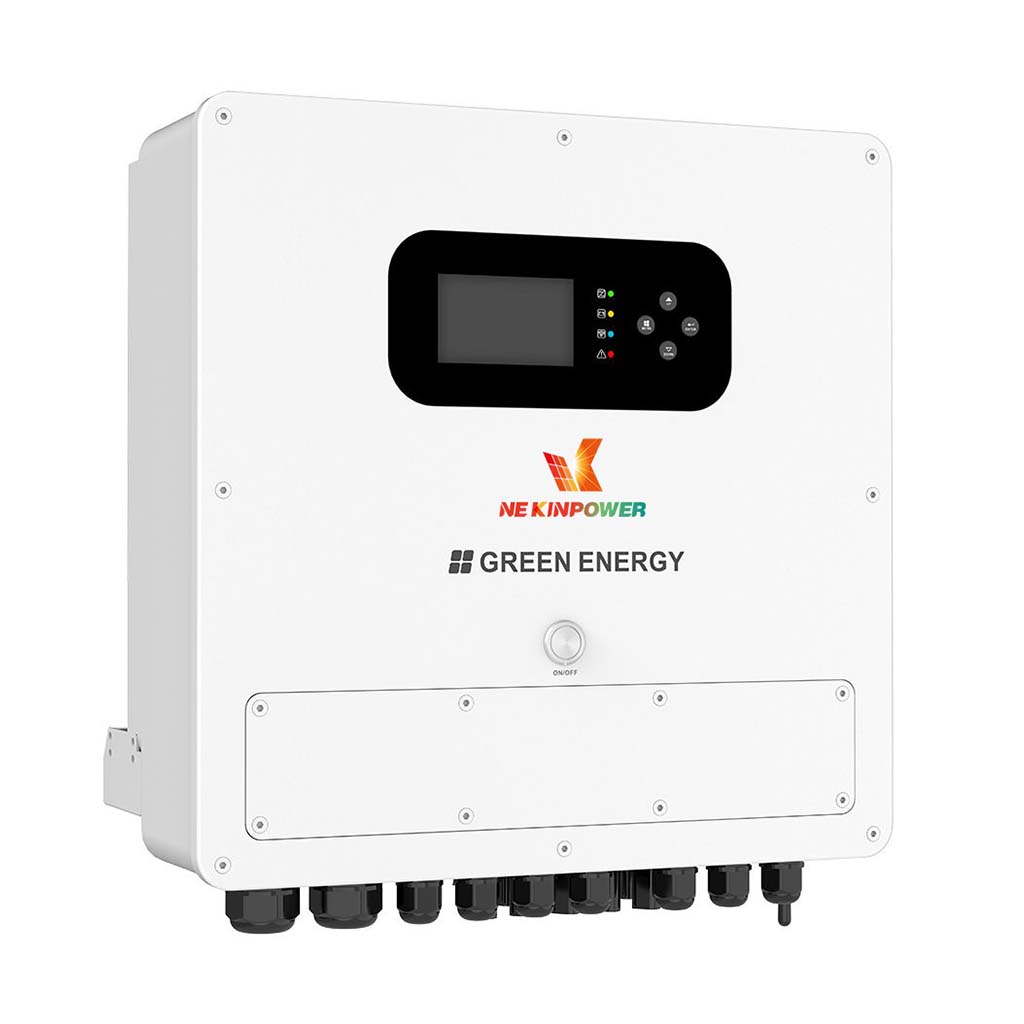
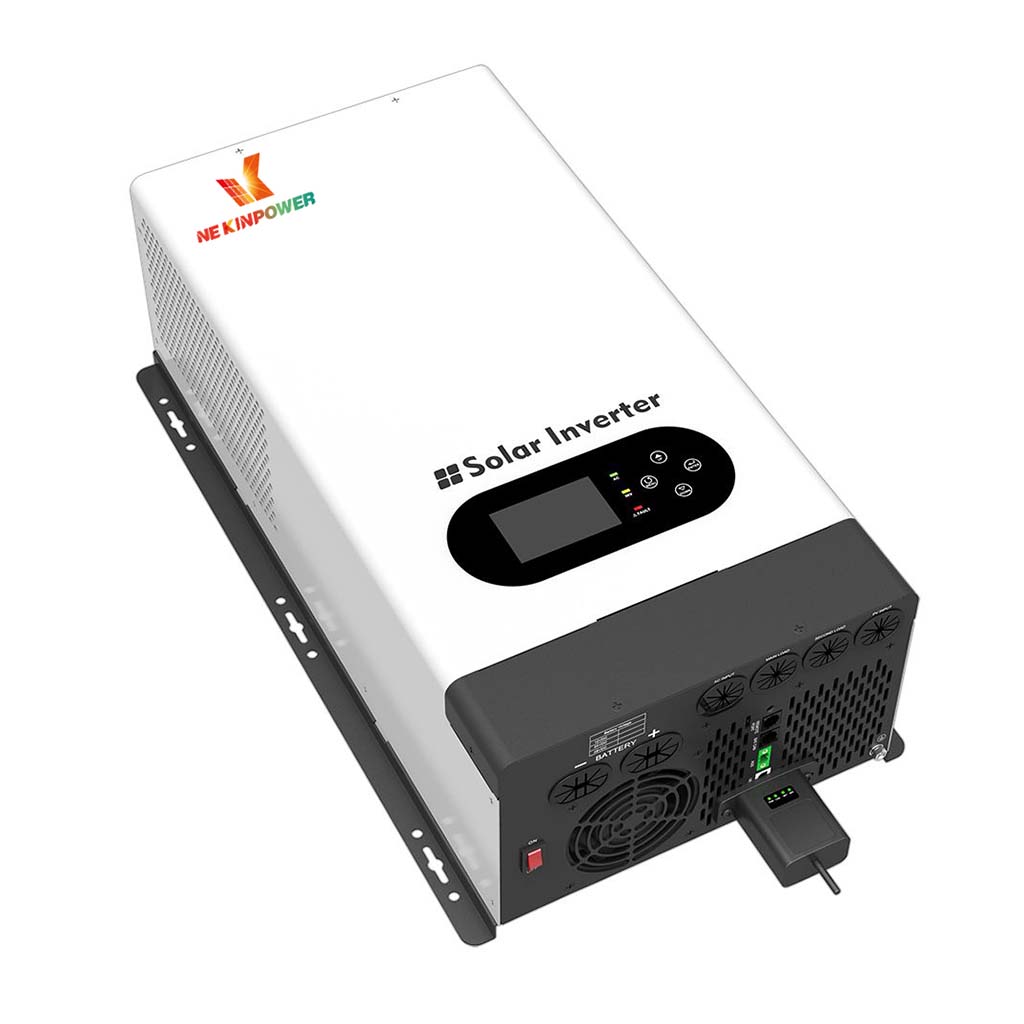
To recommend a system, dealers can start with three questions: How much electricity does the home use per day? Does the customer want essential-load backup or whole-home backup? Will the battery pair with new or existing solar? A well-designed home energy storage system combines battery capacity with inverter power that matches the home's peak load. Modular and stackable designs let customers start smaller and expand later, which keeps the initial investment lower.
Keeping a compact stock range, such as 5 kWh, 10 kWh, and 15 kWh modules, covers most residential requests. Before quoting, confirm daily usage and the utility rate structure, since these values determine whether the system focuses on backup or on shifting consumption away from peak pricing periods. Also verify inverter compatibility and local certification requirements in your target market, as these can differ by region.
Need help selecting the right home energy storage system for your market? Contact our team for detailed specification sheets, inverter compatibility lists, and wholesale pricing.
 Hot News
2026-10-08
2026-10-06
2026-09-30
2026-09-28
2026-09-23
2026-09-22
 EN
EN