 ×
×
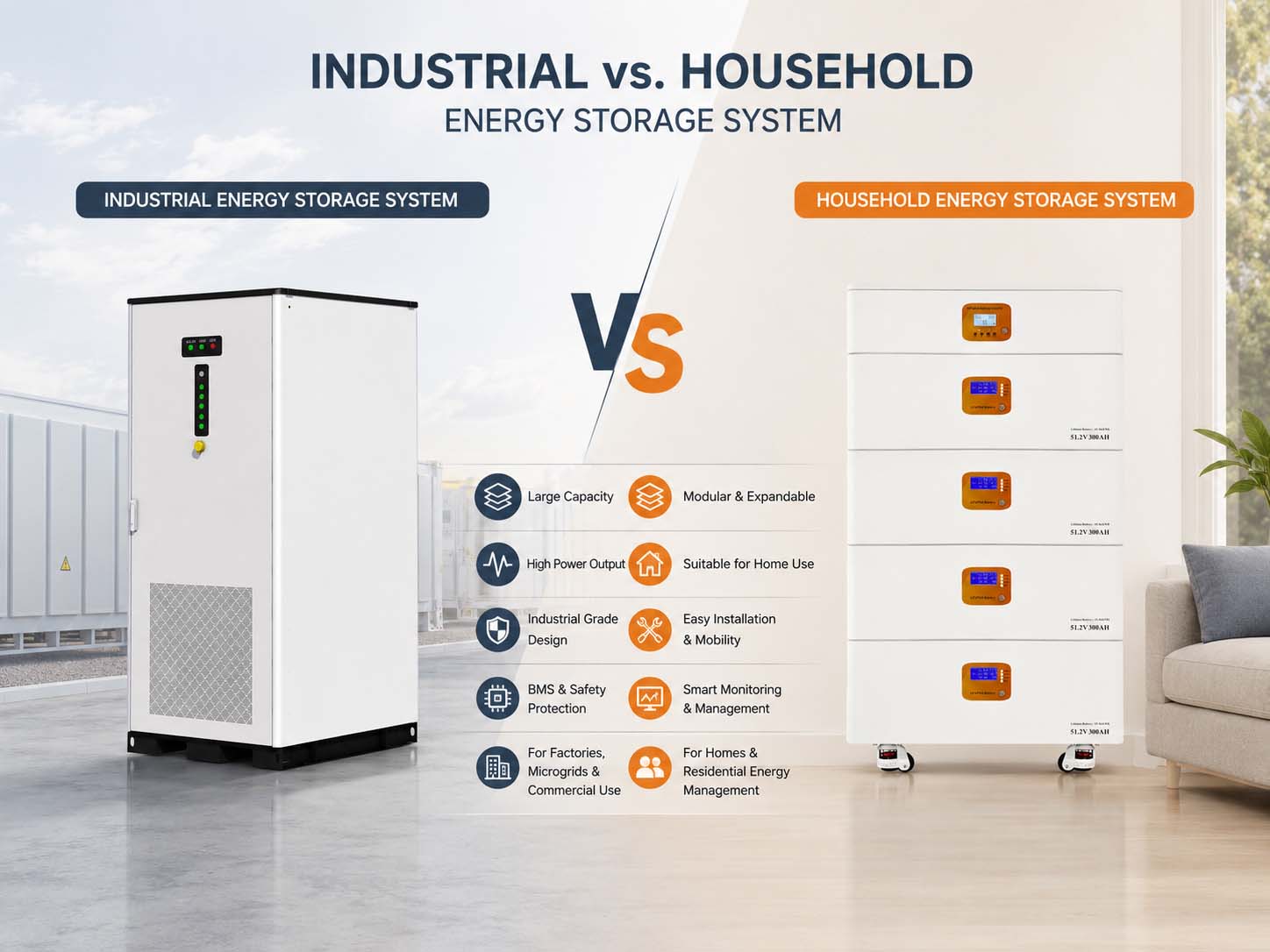
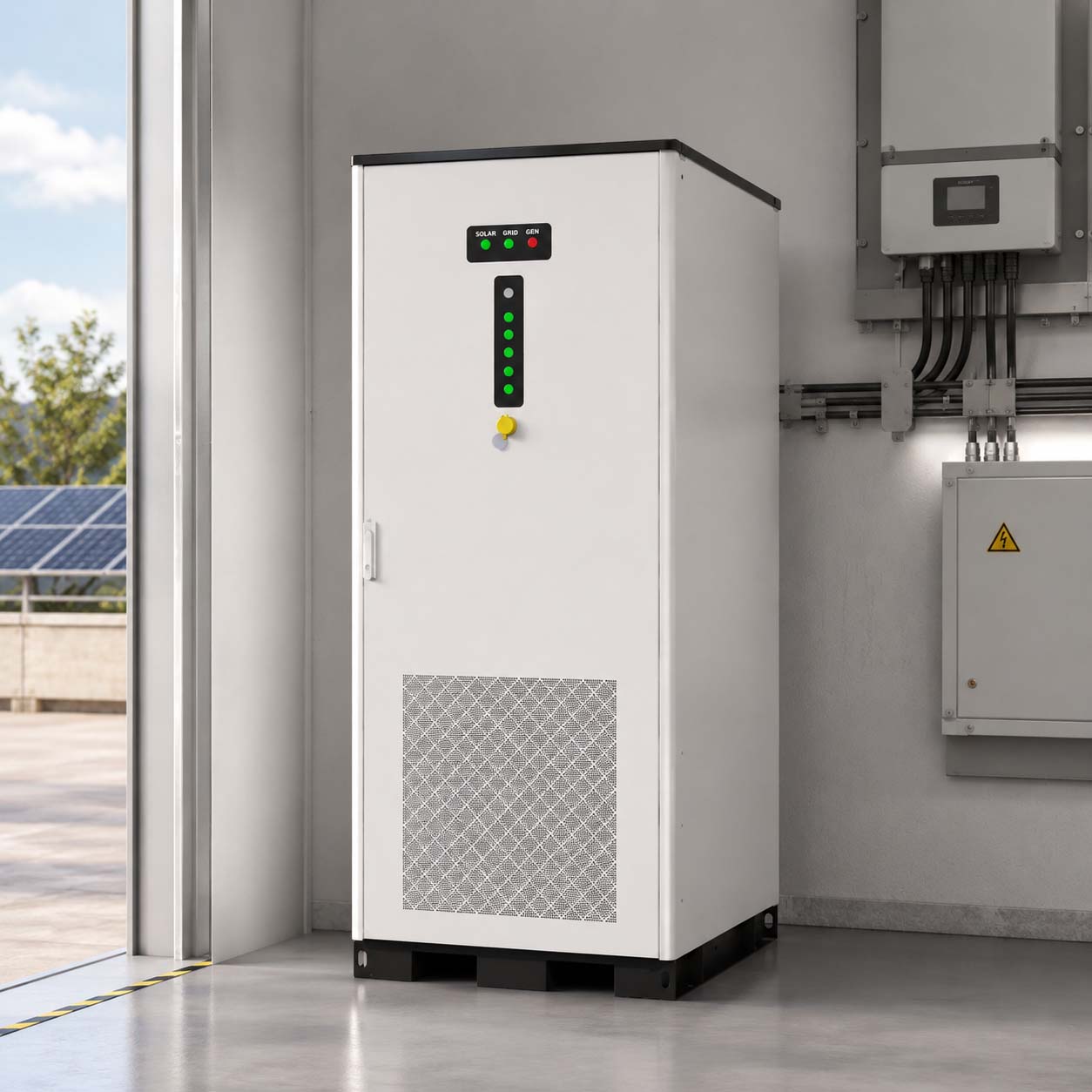
The core differences betweenresidential energy storage systems and industrial/commercial energy storage systemslie in the irapplication scenarios,scale and capacity,key objectives,and technical complexity.Residential systems focus on household energy independence and backup power,while industrial and commercial systems are designed to reduce operating costs,optimize energy usage,and interact with the power grid.
Scale and Capacity
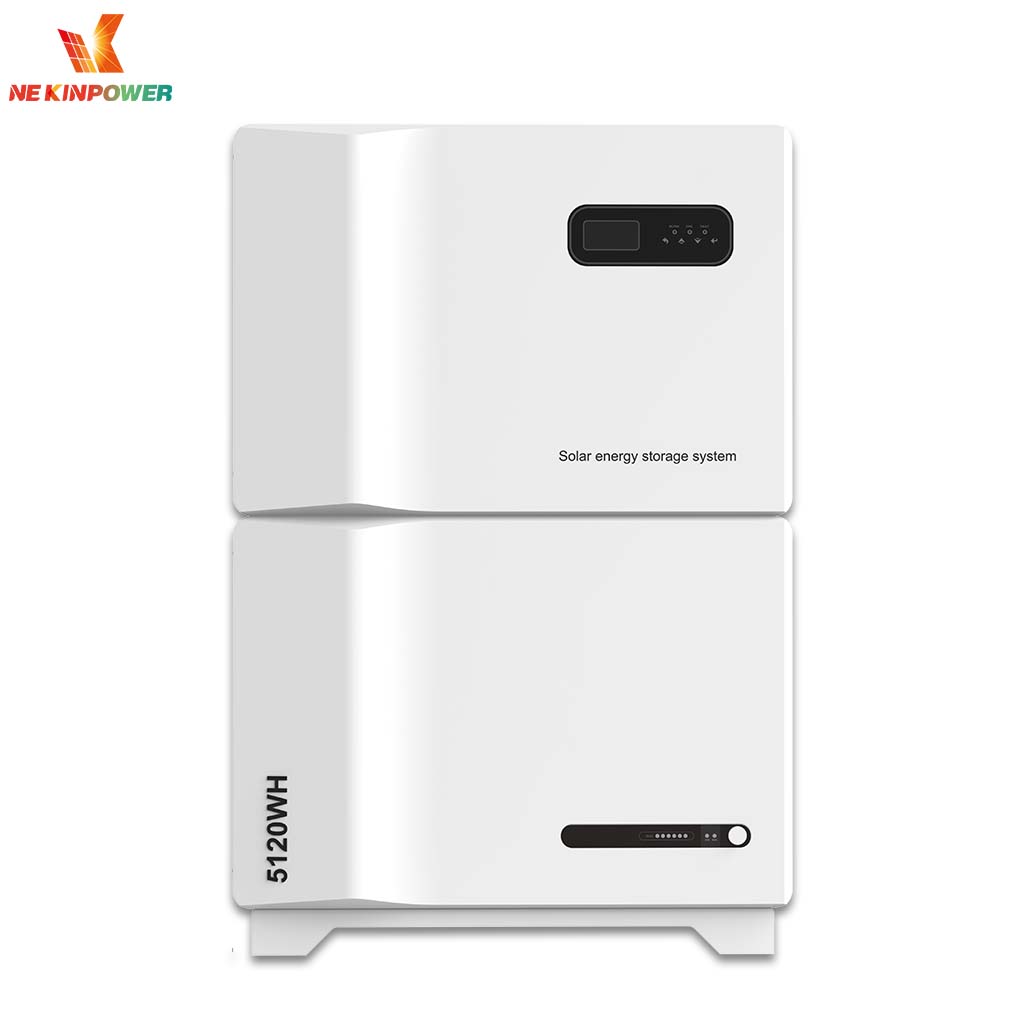
Residential Energy Storage:Residential energy storage systems are relatively small in capacity,typically ranging from5kWh to 50kWh.Their power output generally falls between3kW and 15kW,making them suitable for single-phase or small three-phase residential electrical systems.
Industrial and Commercial Energy Storage:Industrial and commercial energy storage systems are much larger,with capacities ranging fromhundreds of kWh to several MWh.Their power output can vary fromtens of kW to multiple MW,often deployed in containerized systems or multiple cabinets connected in parallel.
Key Objectives and Revenue Models
Residential Energy Storage systems
The primary goals of residential energy storage are to:
Industrial and Commercial Energy Storage
Industrial and commercial energy storage systems are mainly used for:
System Architecture and Grid Connection Requirements
Residential Energy Storage systems
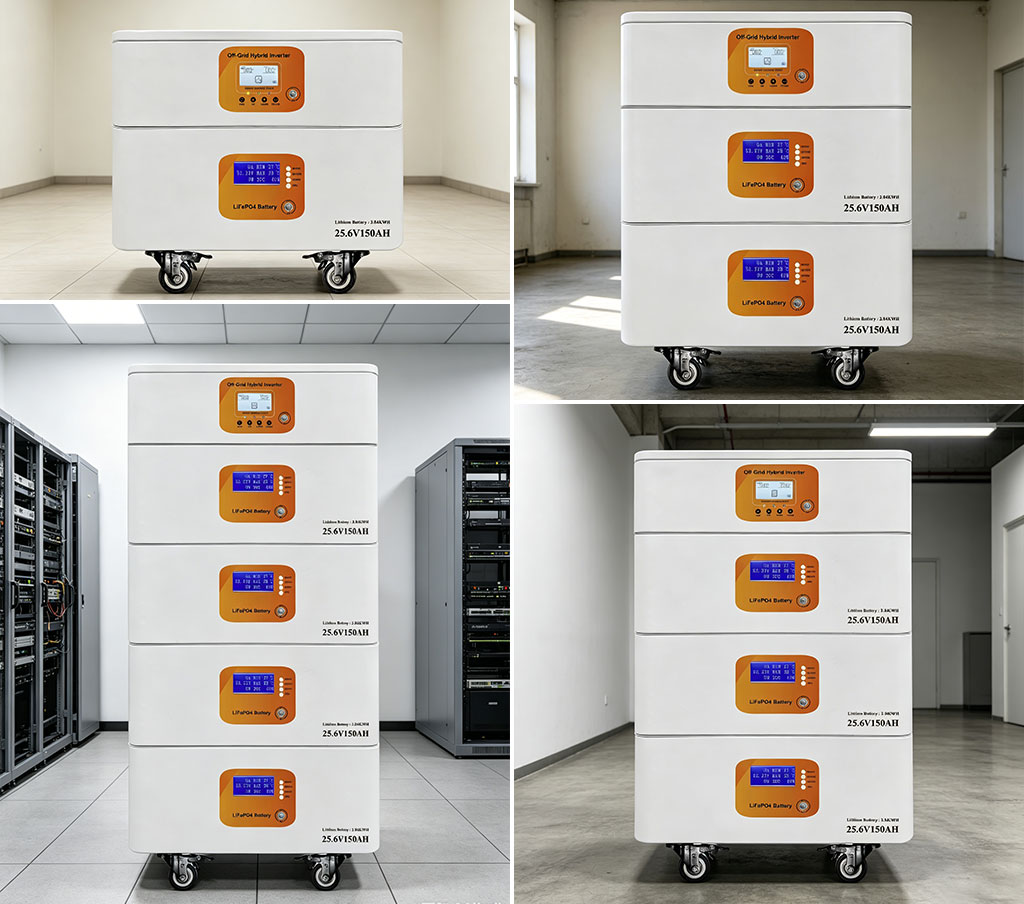
Residential systems feature a relatively simple architecture and are commonly designed aslow-voltage systems.They emphasize:
Industrial and Commercial Energy Storage
Industrial and commercial systems are significantly more complex and often utilizehigh-voltage series-connected architectures.They are typically equipped with advancedEnergy Management Systems(EMS)for intelligent scheduling and optimization.
These systems require:
Installation and Maintenance
Residential Energy Storage systems
Industrial and Commercial Energy Storage
Industrial and commercial energy storage systems require dedicated installation sites,such as electrical rooms or outdoor containerized units.They typically involve:
Forresidential applications,it is recommended to choose highly integrated,all-in-one home energy storage systems that offer simple installation and operation.
Forfactories,commercial buildings,and industrial facilities,it is essential to evaluate electricity tariff structures,peak-valley price differences,and load profiles.Businesses should select industrial and commercial energy storage cabinets that support high-cycle operation,intelligent energy management,and remote monitoring capabilities.
 Hot News
2026-10-08
2026-10-06
2026-09-30
2026-09-28
2026-09-23
2026-09-22
 EN
EN