 ×
×
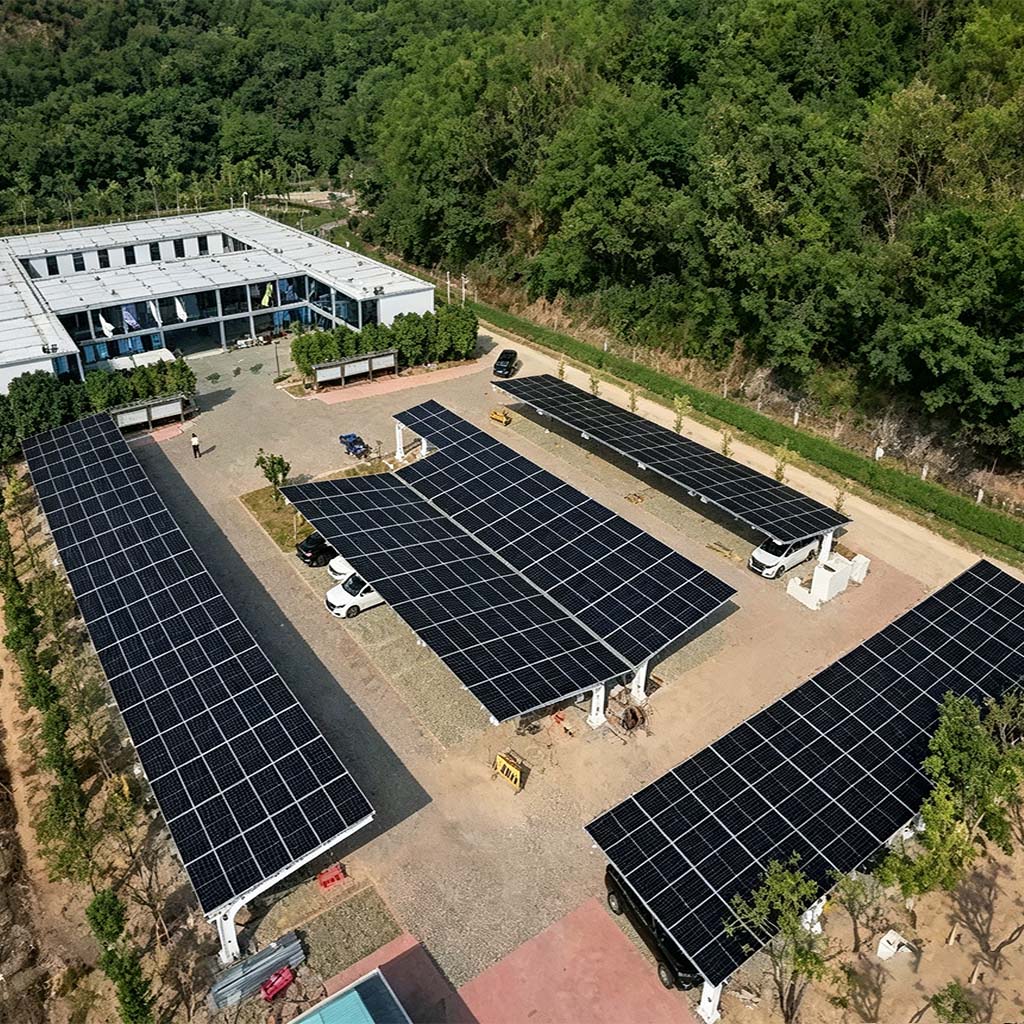
A solar carport power generation system is a dual-functional renewable energy solution that provides vehicle parking shelter while generating clean solar electricity.Unlike traditional rooftop solar systems,solar carports are engineered for open-air parking lots,featuring optimized structural durability,weather resistance,and seamless EV charging compatibility.To help business owners,project developers,and facility managers understand the full configuration,this guide breaks down all core equipment of a solar carport power generation system and their respective functions for commercial and residential applications.
Overview of a Complete Solar Carport Power System
A fully operational solar carport system covers power generation,transmission,energy storage,power conversion,safety protection,and end-use charging.It consists of 8 essential pieces of equipment:solar panels,inverters,mounting brackets,energy storage batteries,DC cables,distribution boxes,grounding devices,and EV chargers.Every component works in synergy to capture sunlight,convert DC power to AC power,store surplus energy,and supply power for on-site consumption or electric vehicle charging.
1.Solar Panels(PV Modules)–Power Generation Core
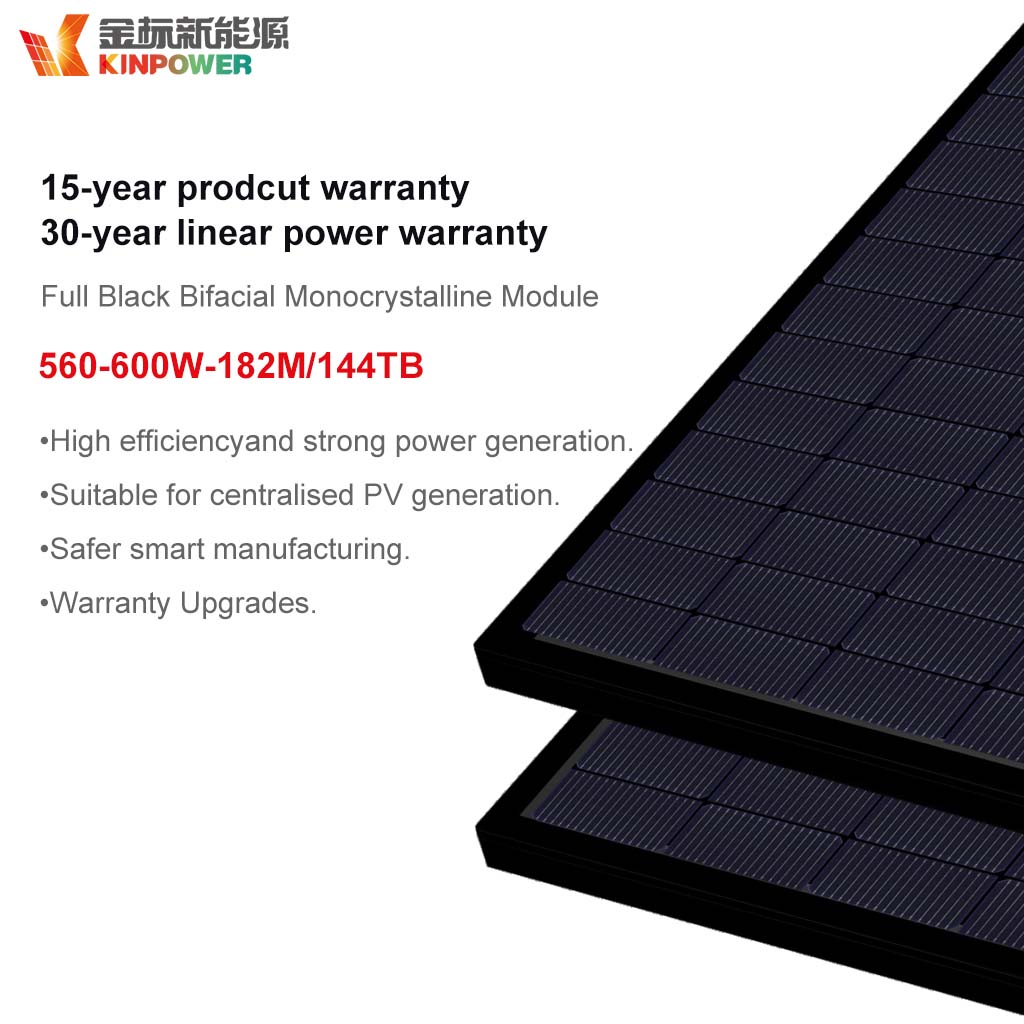
Primary Function:Capture solar irradiance and convert sunlight into direct current(DC)electricity,the foundational power source of the entire solar carport system.
As the core power-generating component,solar panels for carports differ from conventional rooftop modules.Commercial solar carports typically adopt high-efficiency monocrystalline PV panels(22%–26%conversion rate)due to their superior low-light performance and weather durability.Polycrystalline panels are a cost-effective alternative for budget-focused small-scale projects.
Carport-specific solar panels feature reinforced frame structures to resist wind,rain,and hail impacts in open parking areas.Most installations use a 5°–15°tilt angle to balance power output and rainwater drainage,preventing water accumulation on the carport roof.Bifacial solar panels are increasingly popular for commercial carports,as they absorb reflected sunlight from the ground to boost overall energy yield by 10%–20%.
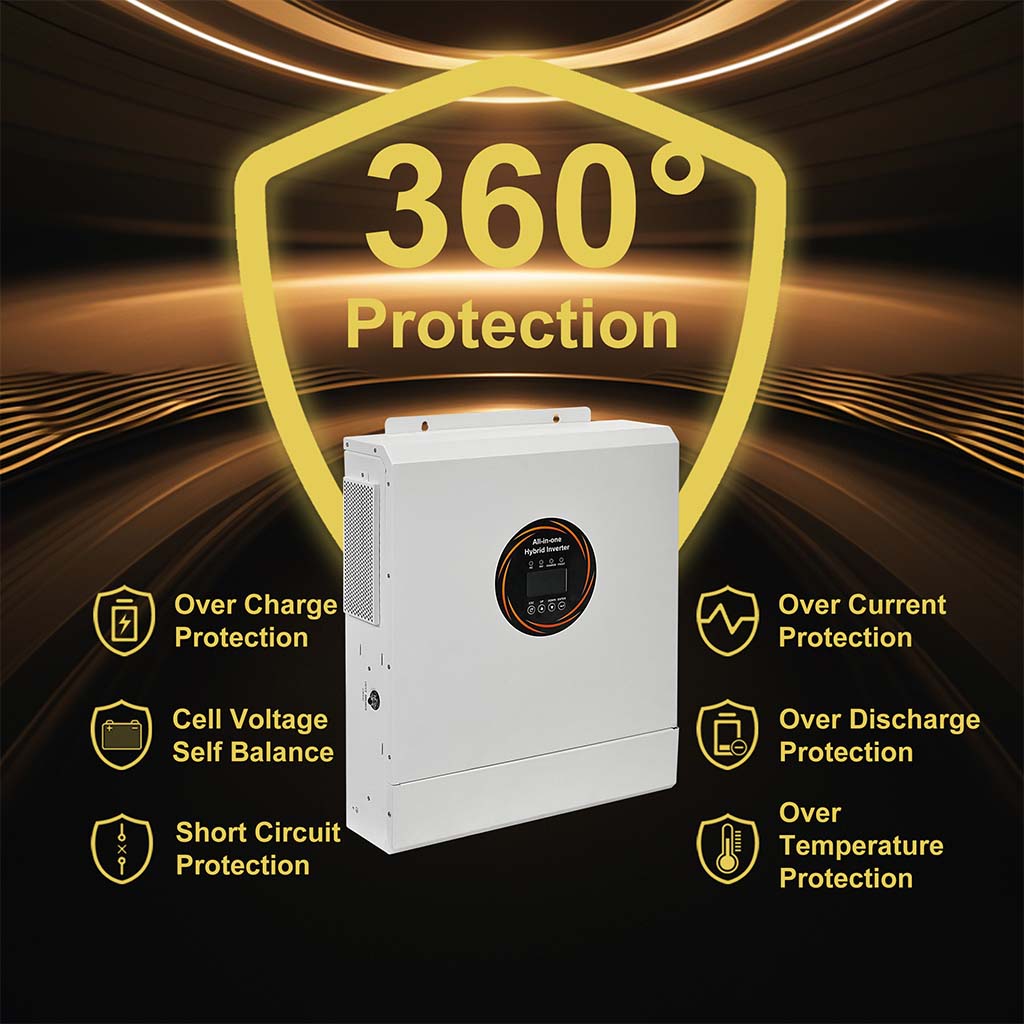
2.Inverter–Energy Conversion Hub
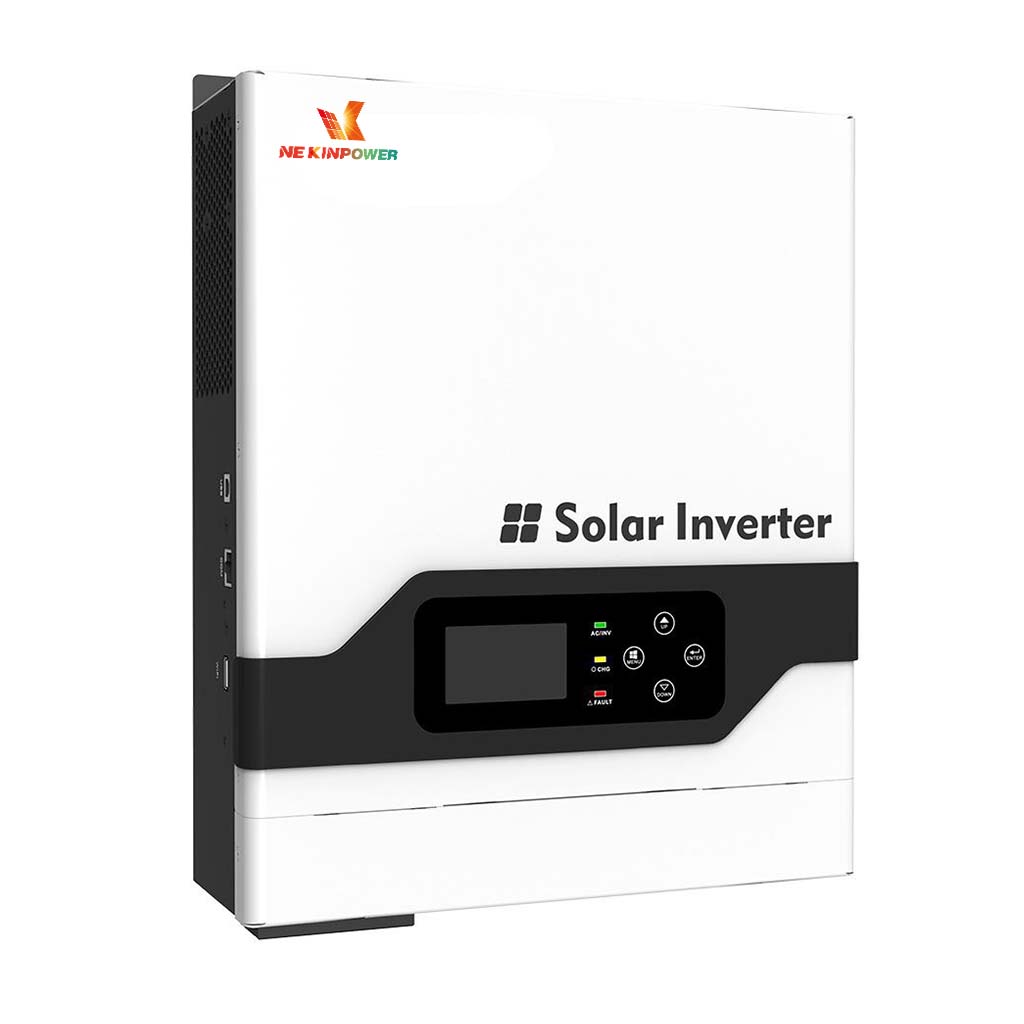
Primary Function:Convert raw DC electricity generated by solar panels into alternating current(AC)that matches grid standards for building power consumption,grid export,or battery charging.
The inverter is the"brain"of the solar carport power system,determining overall energy conversion efficiency and operational stability.Two main types are widely used for carport projects:
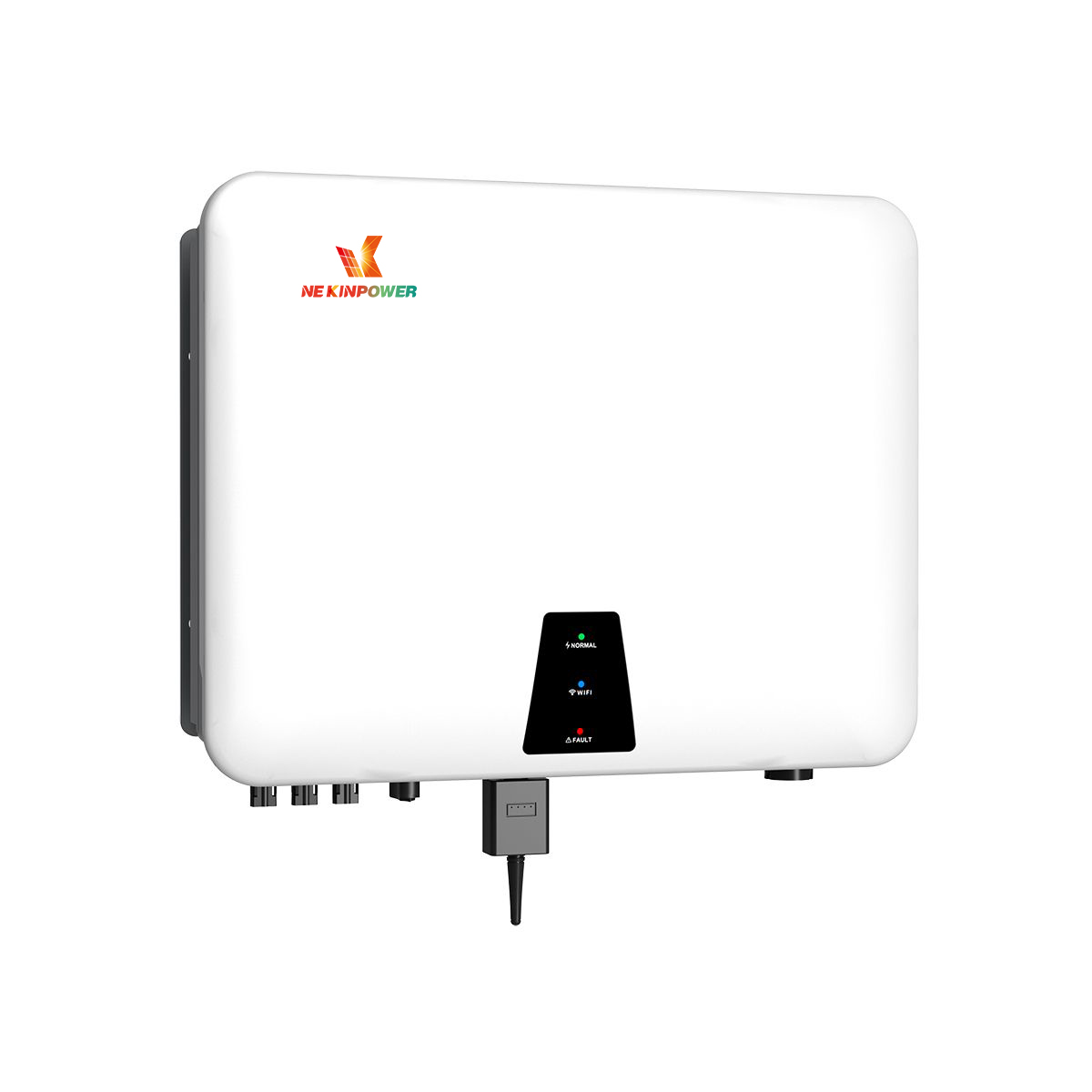
-String Inverters:Ideal for medium-to-large commercial carports.Equipped with multiple MPPT trackers to minimize power loss caused by partial shading from vehicles or surrounding buildings.
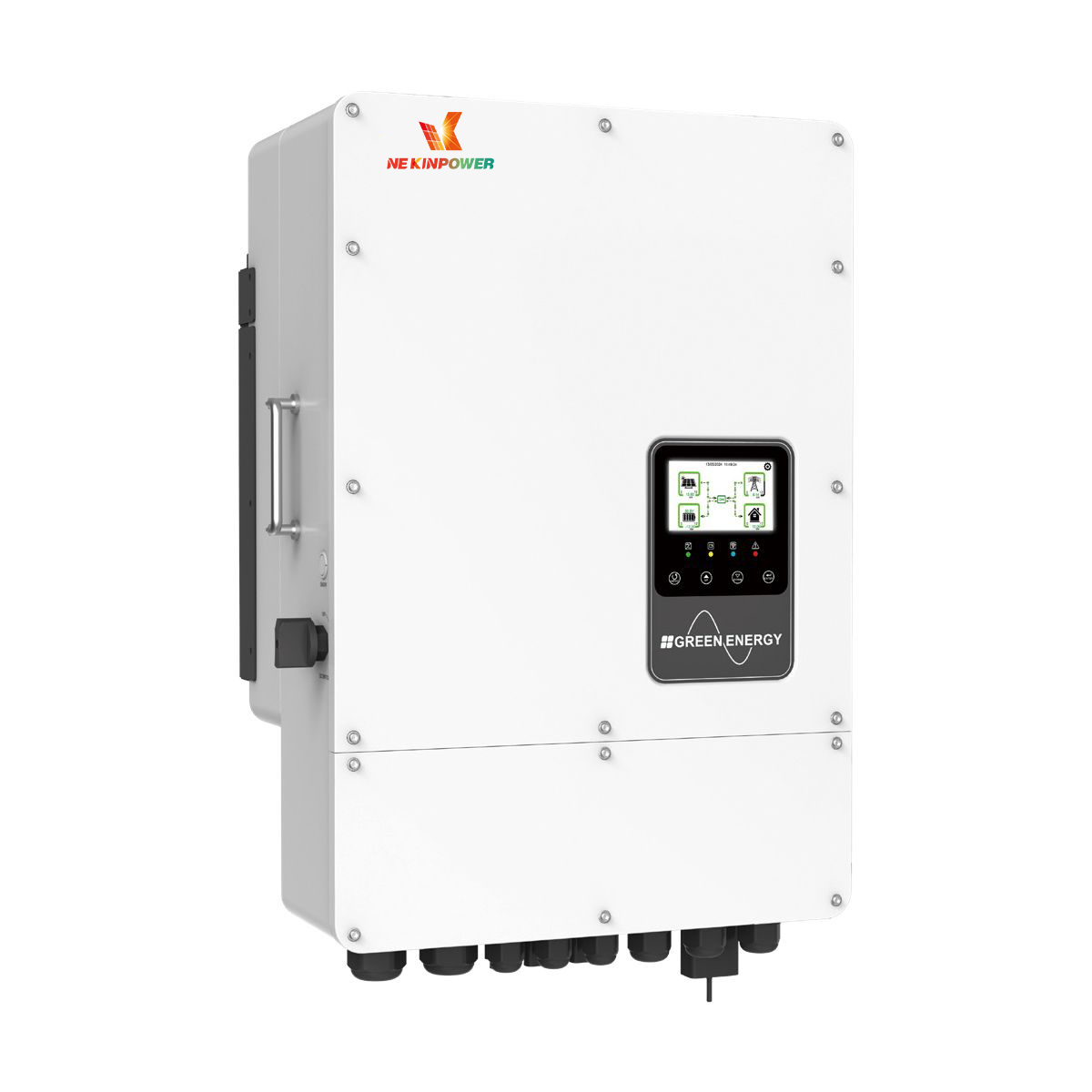
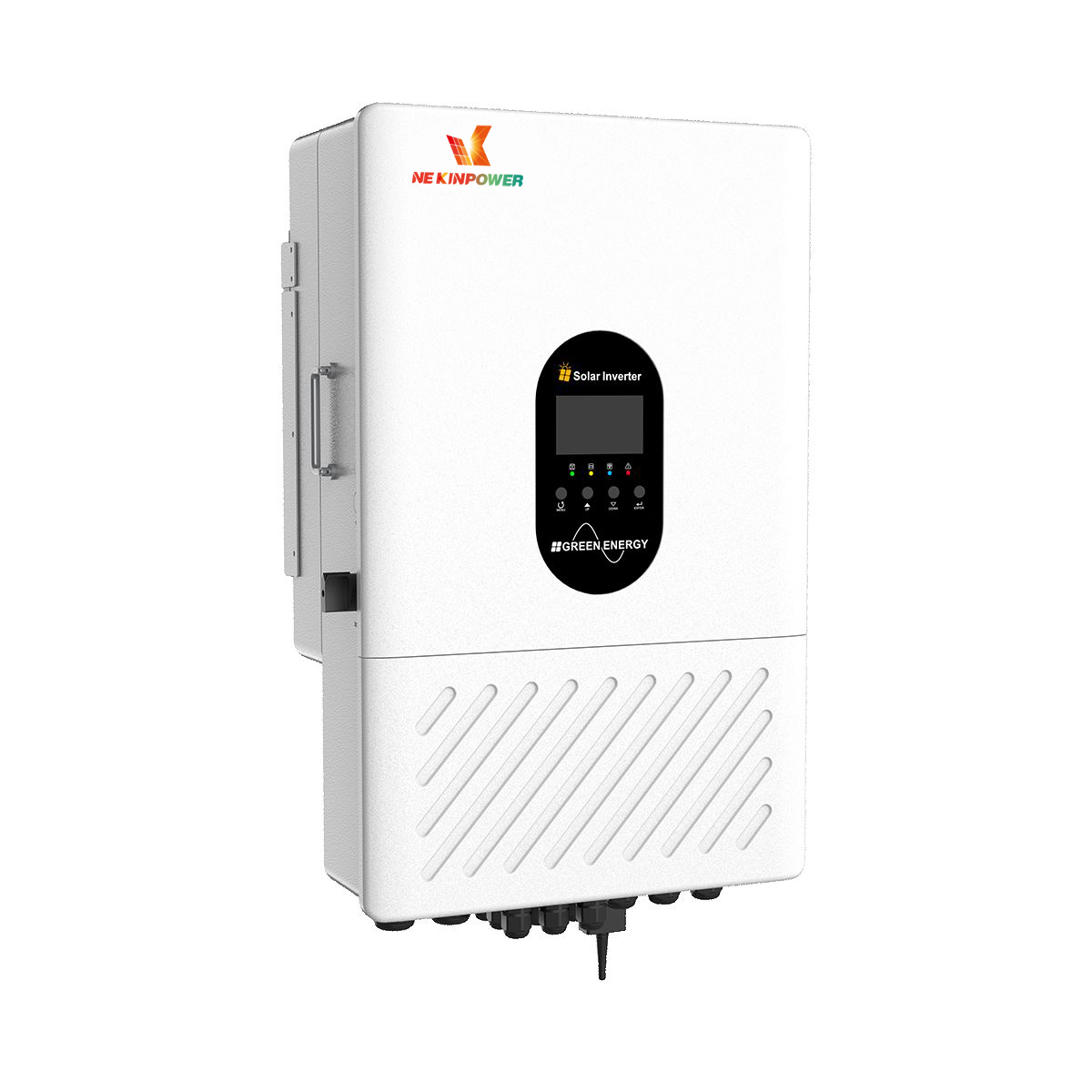
-Hybrid Inverters:Compatible with energy storage batteries,supporting on-grid,off-grid,and backup power modes.The best choice for carport systems with EV charging and emergency power supply needs.
High-quality carport inverters offer IP65 weatherproof ratings,built-in data monitoring,and WiFi/GPRS connectivity for remote system management,which is critical for outdoor parking lot installations.
3.Mounting Brackets–Structural Support Framework
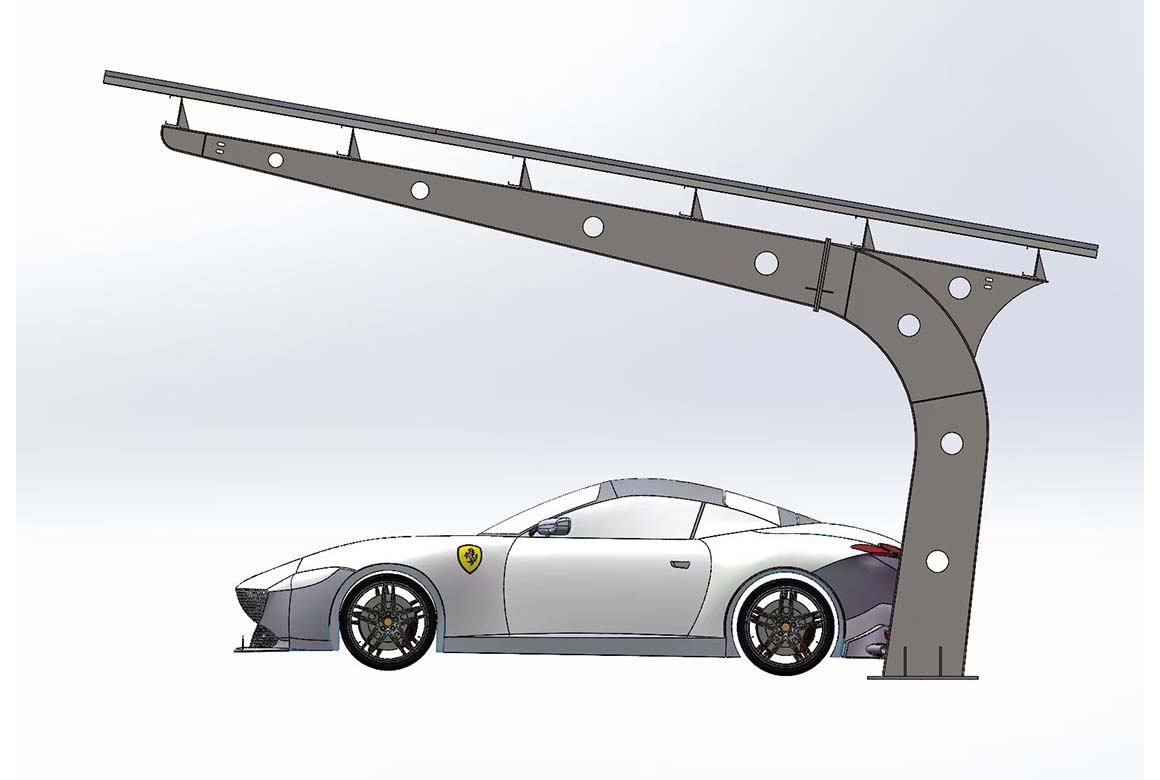
Primary Function:Support and fix solar panels,form the carport shelter structure,and ensure long-term mechanical stability in outdoor environments.
Often overlooked but structurally critical,solar carport mounting brackets bear the full weight of PV modules and resist external forces like wind,snow,and seismic activity.
The complete bracket system includes vertical columns,horizontal purlins,panel mid/end clamps,and waterproof fasteners.Pre-assembled bracket designs enable fast on-site installation,reducing construction time and labor costs for parking lot retrofits.
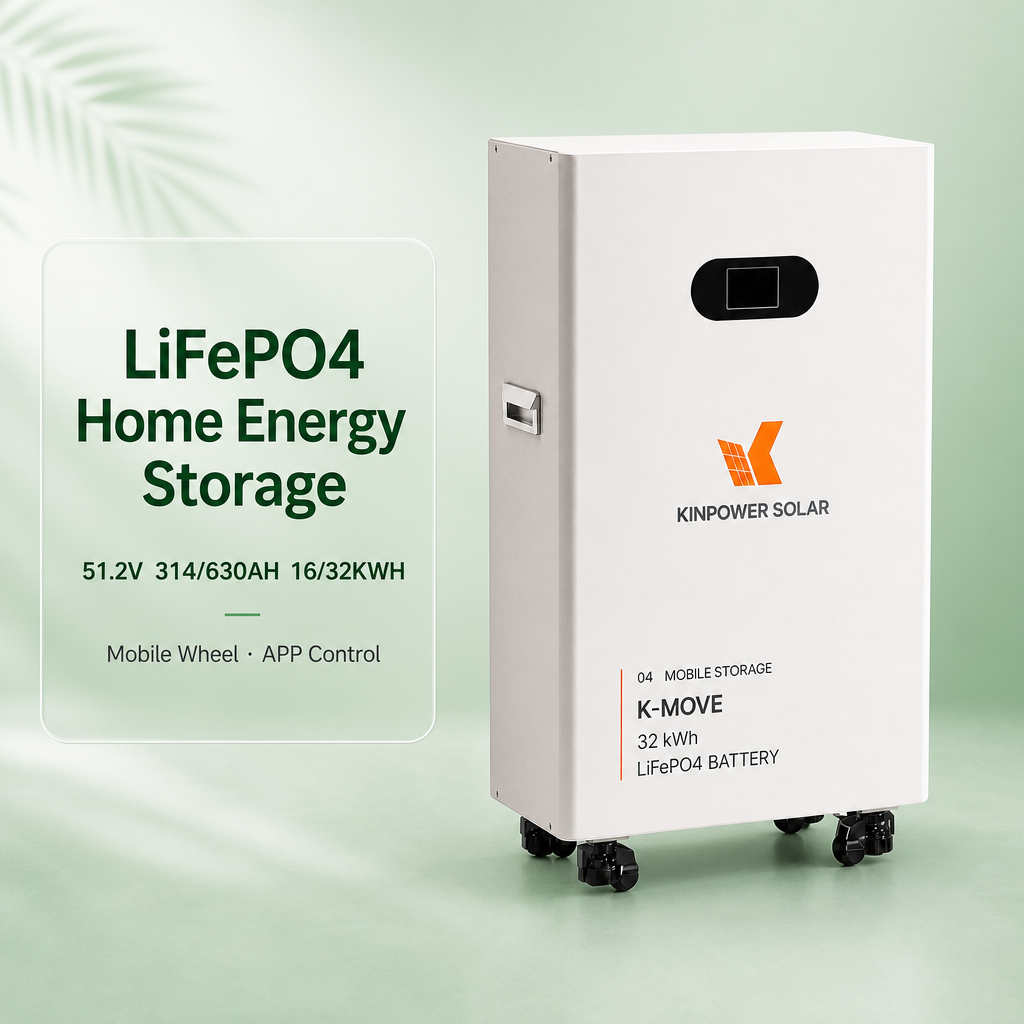
4.Energy Storage Batteries–Surplus Power Reserve
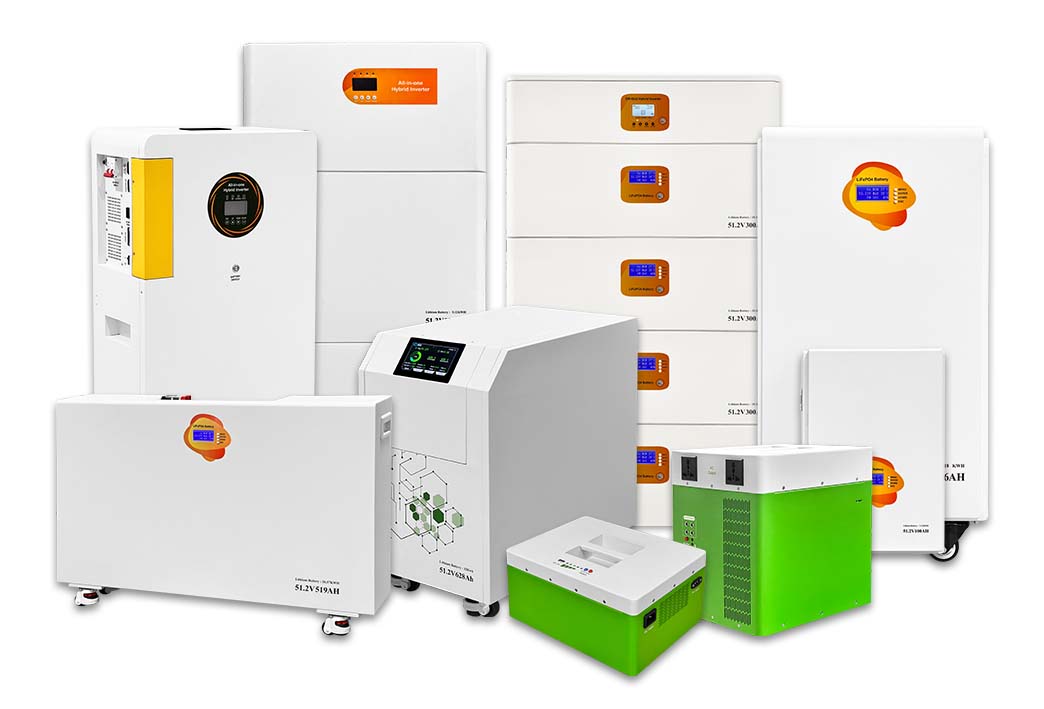
Primary Function:Store excess electricity generated by solar panels during peak sunlight hours for use at night,on cloudy days,or during grid outages.
Energy storage batteries transform solar carports from grid-dependent generators into independent energy stations.Most modern carport systems use LFP(Lithium Iron Phosphate)batteries for their long cycle life(6,000+cycles),high safety,and wide temperature adaptability(-20°C to 60°C),ideal for outdoor parking environments.
With battery integration,solar carports can prioritize self-consumption of solar power,reduce grid electricity bills,and provide uninterrupted power for EV chargers and building loads during blackouts.Hybrid storage systems also support peak shaving and load shifting,maximizing economic benefits for commercial users.
5.DC Cables–Direct Current Transmission Lines
Primary Function:Transmit DC electricity from solar panels to inverters and energy storage batteries with minimal power loss.
DC cables are the vital transmission veins of the PV array.For outdoor carport installations,PV1-F specialized solar DC cables are mandatory.These cables feature UV resistance,ozone resistance,and flame retardant properties,withstanding long-term exposure to sunlight and extreme weather without aging or insulation damage.
Professional installation routes DC cables concealed along bracket rails to avoid exposed wiring,reducing mechanical damage risks and improving the carport’s aesthetic.Cable gauge selection is based on array voltage and distance,strictly controlling voltage drop to ensure maximum system power output.
6.Distribution Box–Power Distribution&Safety Control
Primary Function:Centralize power distribution,integrate circuit protection,and manage AC/DC power flow between the inverter,grid,loads,and chargers.
Also known as a combiner box(DC side)or AC distribution panel,this equipment centralizes circuit management for the entire carport system.DC combiner boxes collect current from multiple solar panel strings and transmit it to the inverter,equipped with overcurrent,overvoltage,and lightning surge protection modules.
AC distribution boxes manage output power from the inverter,distributing electricity to on-site facilities,EV chargers,or the public grid.All carport distribution boxes adopt IP65 waterproof enclosures for outdoor use,with intelligent circuit breakers for automatic power cut-off during faults to prevent fire and electric shock risks.
7.Grounding Device–System Safety Protection
Primary Function:Eliminate static electricity,conduct lightning surges and leakage current to the ground,preventing electric shock and equipment damage.
Safety is non-negotiable for open-air solar carports,making grounding devices a mandatory safety component.The full grounding system includes grounding electrodes,grounding conductors,and equipotential bonding components.
All metal parts of the carport(brackets,panel frames,distribution boxes)are equipotentially bonded and connected to underground grounding electrodes.This design effectively diverts lightning strikes and prevents induced voltage damage during thunderstorms.Standard compliant grounding resistance is controlled below 4Ω,meeting international electrical safety codes(IEC 62548)for outdoor PV installations.
8.EV Charger–Terminal Energy Application
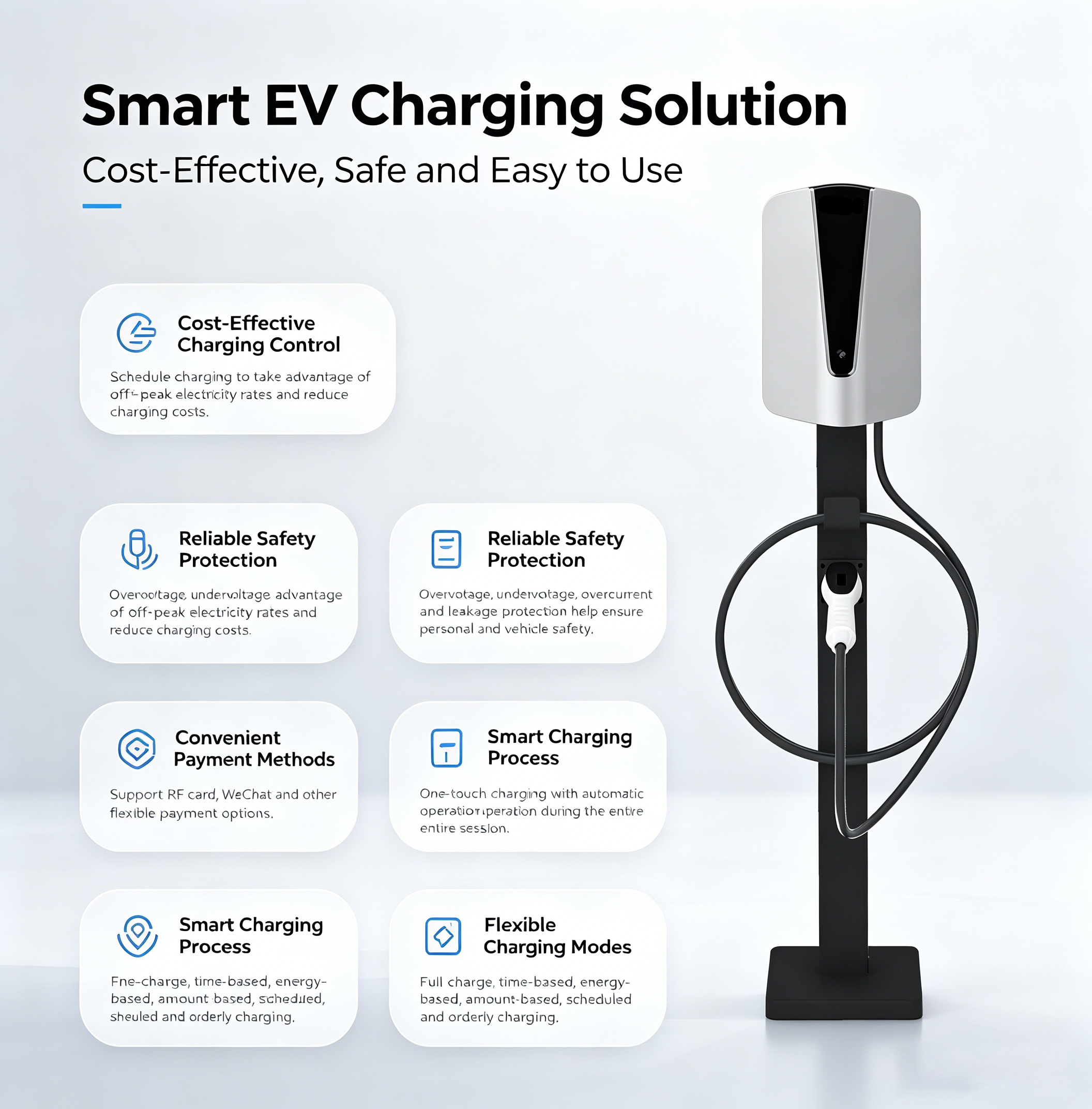
Primary Function:Convert processed AC power into charging current for electric vehicles,realizing direct solar-to-vehicle(S2V)energy supply.
As the core end-user equipment,EV chargers turn solar carports into green charging stations.Two mainstream types match different application scenarios:
-Level 2 AC Chargers:7kW–22kW output,suitable for residential and office parking carports,ideal for daily slow charging.
-DC Fast Chargers:60kW–180kW output,deployed in commercial public parking lots,enabling fast charging for electric fleet vehicles and passenger cars.
Paired with hybrid inverters and batteries,solar carport chargers can use 100%on-site generated solar power for EV charging,drastically reducing carbon emissions and charging costs.Smart chargers support app monitoring,load management,and grid interaction,perfect for commercial energy management systems.
Final Thoughts:Build a Complete&Reliable Solar Carport System
A qualified solar carport power generation system is not just a combination of solar panels and brackets,but a complete set of 8 coordinated equipment covering power generation,transmission,storage,conversion,safety,and end use.Each component is tailored for outdoor parking scenarios,balancing structural safety,power efficiency,and charging functionality.
Whether you plan to install a small residential solar carport or a large commercial parking lot PV charging system,selecting matched,code-compliant equipment is the key to long-term stable operation and maximum return on investment.
 Hot News
2026-10-08
2026-10-06
2026-09-30
2026-09-28
2026-09-23
2026-09-22
 EN
EN