 ×
×

تدرس العديد من المصانع ومواقف السيارات التجارية والمناطق الصناعية ومراكز اللوجستيات ومواقع شحن المركبات الكهربائية أنظمة مظلات الطاقة الشمسية للسيارات كوسيلة لتوليد كهرباء نظيفة مع الاستفادة المُثلى من مساحات الوقوف المتاحة.
ومع ذلك، فإن سؤالاً مهماً يطرح عادةً قبل بدء المشروع:
هل يتطلب مظلّة الطاقة الشمسية تخزينًا بطاريّاً؟
مع التطور السريع لأنظمة الطاقة الشمسية + التخزين + شحن المركبات الكهربائية يمكن أن يوفّر إضافة نظام تخزين طاقة بطاري (BESS) فوائد مثل تسطيح قمم الطلب، والاستفادة من فروق أسعار الكهرباء حسب أوقات الاستخدام، وتوفير طاقة احتياطية، وتحسين نسبة استهلاك الطاقة الشمسية ذاتيًّا.
ومع ذلك، فإن تخزين الطاقة يرفع أيضًا الاستثمار الأولي، ويُدخل متطلبات إضافية تتعلق بسلامة البطاريات وحماية المنشآت من الحرائق والتهوية وتشغيل النظام وصيانته.
لذلك، ولا يُعتبر التخزين البطاري شرطاً قياسياً في كل مشروع لمظلّات الطاقة الشمسية؛ بل يجب اختياره وفقاً لطلب الموقع على الكهرباء وقدرة الشبكة الكهربائية وهيكل تعريفة الكهرباء ومتطلبات شحن المركبات الكهربائية والأهداف الاستثمارية.
يشرح هذا الدليل متى يمكن لسقيفة الطاقة الشمسية أن تعمل بكفاءة دون بطاريات، ومتى تخزين البطاريات في سقيفة الطاقة الشمسية يصبح مفيدًا، وكيف تقارن التكوينان مع بعضهما، وما العوامل التي يجب أخذها في الاعتبار عند تقييم فترة استرداد المشروع.
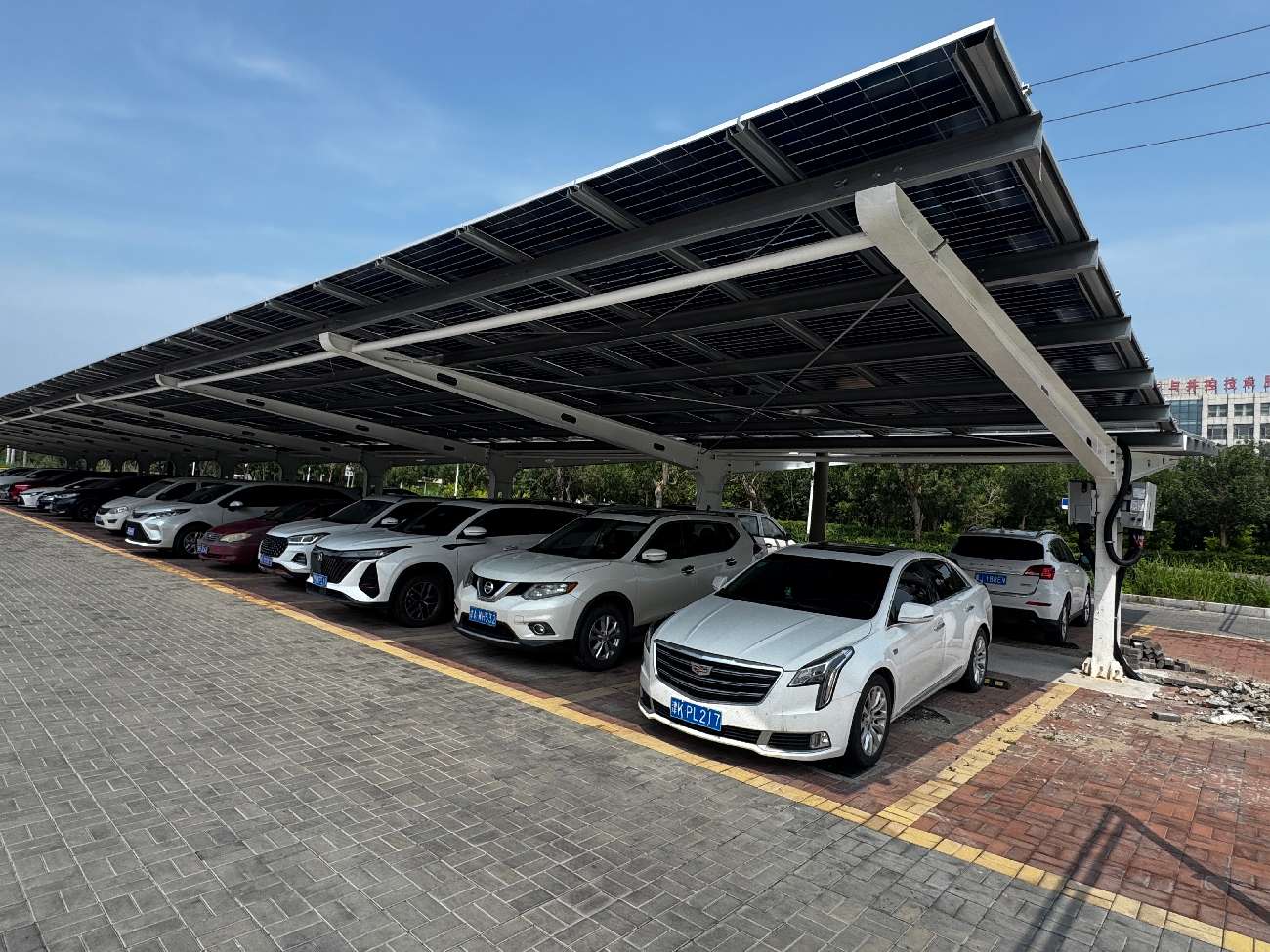
أ نظام مظلات السيارات الشمسية يجمع بين هيكل موقف السيارات وتوليد الطاقة الكهروضوئية.
تُركَّب الألواح الشمسية على سقف السقيفة لتوليد الكهرباء، بينما يوفِّر الهيكل الظلَّ وحماية المركبات من الأمطار.
قد يتضمَّن نظام سقيفة شمسية تجاري نموذجي ما يلي:
هيكل سقف السيارات بالطاقة الشمسية
الوحدات الشمسية الفولطوية
عاكس مربوط بالشبكة أو عاكس هجين
معدات توزيع تيار متناوب/تيار مستمر
محطات شحن كهربائية
نظام المراقبة
نظام اختياري لتخزين طاقة البطاريات
خلال النهار، يمكن تزويد معدات المصنع والمباني المكتبية والمرافق التجارية ومحطات شحن المركبات الكهربائية (EV) مباشرةً بالكهرباء المنتجة من الطاقة الشمسية.
إذا تجاوز إنتاج الكهرباء الطلب اللحظي للموقع، فيمكن تصدير الفائض إلى الشبكة الكهربائية، وفقًا لأنظمة الشبكة المحلية وشروط الربط الخاصة بالمشروع.
وبالتالي، فإن مظلّة السيارات الشمسية التقليدية دون تخزين بطاري تُعَدّ أساسًا نظامًا لتوليد الطاقة الشمسية والاستهلاك المباشر لها .
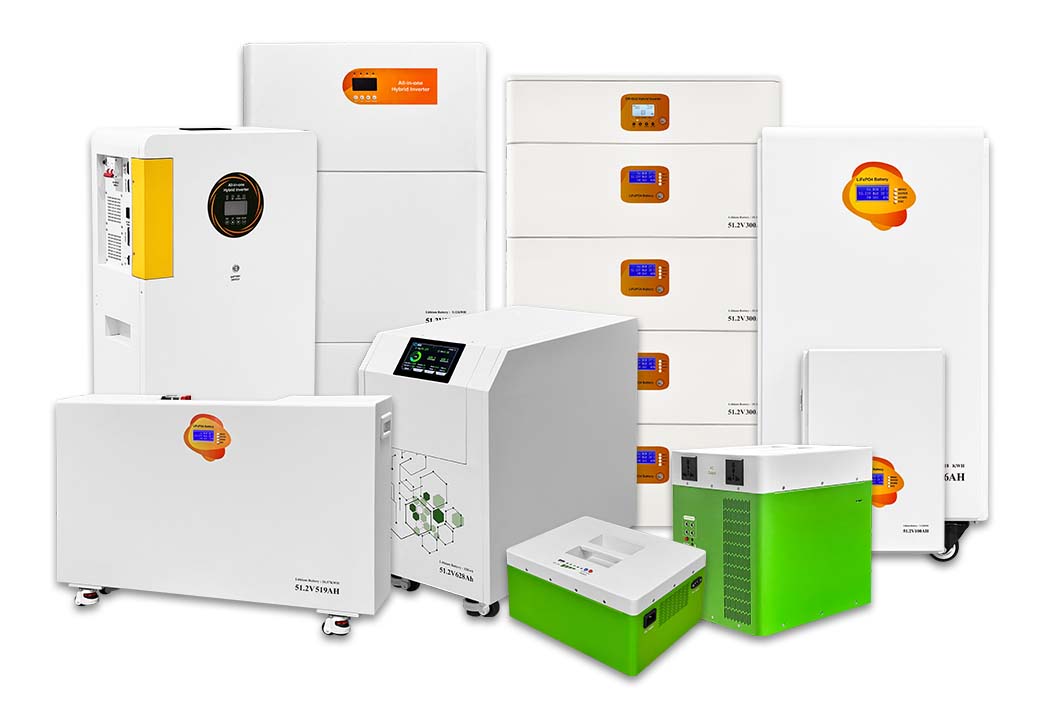
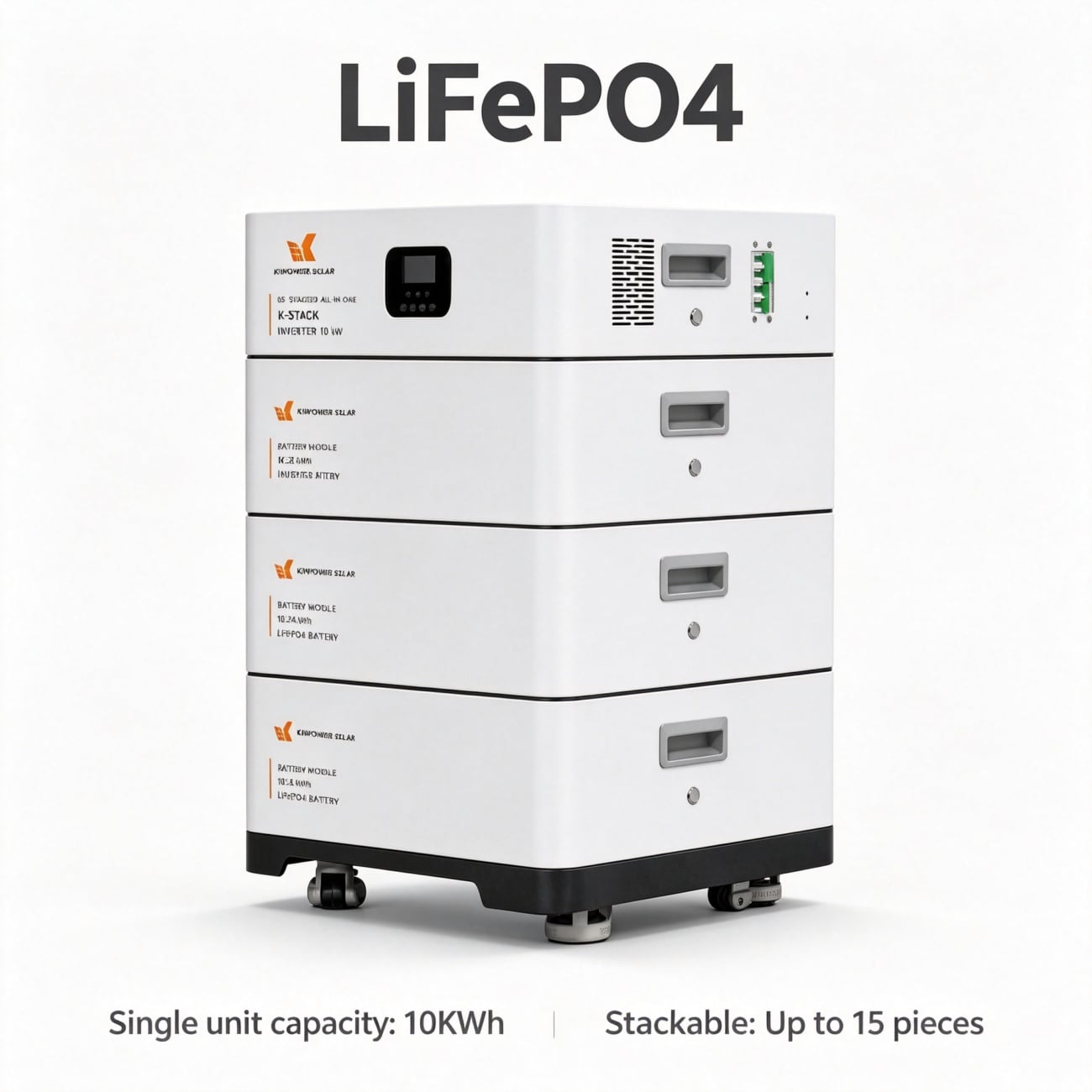
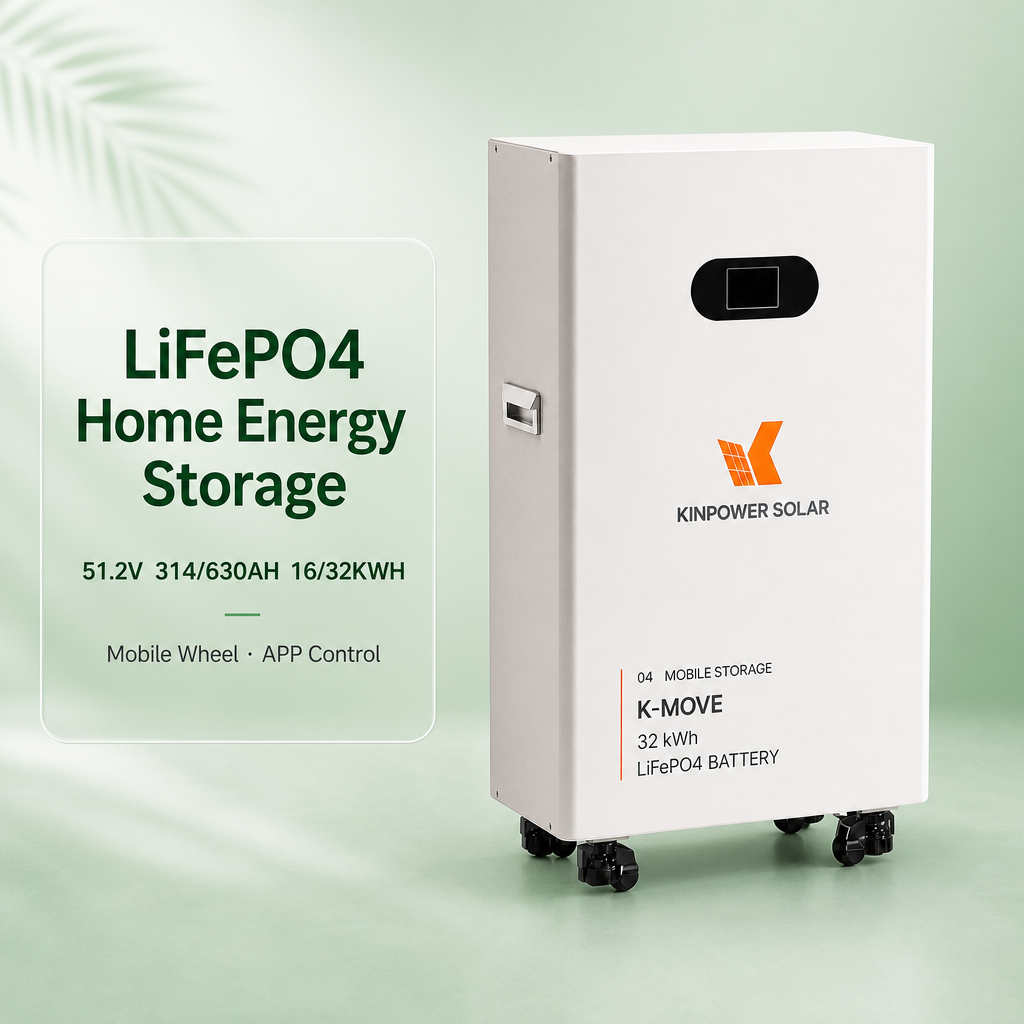
أ نظام تخزين طاقة بطارية (BESS) يعمل كوسيلة لتنظيم تدفق الكهرباء بين توليد الطاقة الشمسية والشبكة الكهربائية وأحمال الموقع الكهربائية.
أثناء الفترات التي يفوق فيها توليد الطاقة الشمسية الطلب، يمكن تخزين الفائض في البطاريات.
ثم يُفرَّغ الكهرباء المخزَّنة عند:
انخفاض توليد الطاقة الشمسية
ارتفاع أسعار الكهرباء
تزيد الطلب على شحن المركبات الكهربائية
سعة الشبكة محدودة
يُطلَب وجود طاقة احتياطية
نظام متكامل نموذجي نظام يجمع بين الطاقة الشمسية والتخزين وشحن المركبات الكهربائية قد يتضمن ما يلي:
وحدات الطاقة الشمسية → عاكس هجين / وحدة تحويل الطاقة → تخزين بطاريات ليثيوم حديد فوسفات → شواحن المركبات الكهربائية + الأحمال الداخلية للمبنى + الشبكة الكهربائية
توفر هذه التكوينات مرونة أكبر مقارنةً بسقيفة الطاقة الشمسية التقليدية، لكن المعدات الإضافية تزيد أيضًا من تعقيد النظام والاستثمار المطلوب.
لا توجد إجابة عالمية واحدة.
للكثير من المشاريع التجارية والصناعية التقليدية، يمكن أن تكون سقيفة الطاقة الشمسية دون تخزين بالبطاريات الحل الأكثر كفاءة من حيث التكلفة .
للمشاريع التي تتطلب شحن مركبات كهربائية عالية القدرة، أو التي تواجه قيودًا في سعة المحول، أو فروقًا كبيرة بين أسعار الكهرباء في أوقات الذروة وغير الذروة، أو التي تحتاج إلى طاقة احتياطية، فإن إضافة أنظمة تخزين الطاقة بالبطاريات قد تُقدِّم قيمةً أكبر بكثير.
يجب اتخاذ القرار استنادًا إلى الظروف الفعلية للمشروع، وليس ببساطة لمجاراة الموضة السائدة في تركيب أنظمة تخزين الطاقة.
غالبًا ما تستهلك المصانع والمباني المكتبية والمناطق الصناعية والمرافق التجارية كميات كبيرة من الكهرباء أثناء النهار.
إذا أمكن استهلاك معظم الكهرباء المولَّدة بواسطة مظلات السيارات الشمسية فور إنتاجها، فإن النظام يمكنه تحقيق نسبة عالية من الاستهلاك الذاتي للطاقة الشمسية دون الحاجة إلى بطاريات.
على سبيل المثال، قد تستخدم مصنعًا الكهرباء الشمسية مباشرةً في:
معدات الإنتاج
مكيف الهواء
إضاءة
المعدات المكتبية
موثوقة وتعمل بكفاءة، وتساعد السائقين في الحفاظ على السيارة في حالة جيدة.
ماكينات
شحن السيارات الكهربائية
في هذه الحالة، قد لا تضيف البطارية قيمة اقتصادية إضافية تُذكر.
الألواح الشمسية + عاكس متصل بالشبكة + الأحمال + شواحن المركبات الكهربائية
إذا كان الموقع متصلاً بالشبكة الكهربائية بشكل موثوق، وكانت انقطاعات التيار نادرة، فقد لا تكون هناك حاجة كبيرة لتركيب بطاريات لأغراض الطوارئ الاحتياطية.
وقد يؤدي تركيب نظام تخزين طاقةٍ يُركَّب فقط لأغراض الدعم الاحتياطي إلى زيادة كبيرة في الاستثمار الأولي دون تحقيق عائد إضافي كافٍ.
وهذا ينطبق بصفة خاصة على مواقف السيارات التجارية في المدن والمناطق الصناعية الحديثة التي تتمتع ببنية تحتية شبكيّة موثوقة.
يمكن أن يُولِّد تخزين البطاريات قيمة اقتصادية إضافية عبر الشحن عند انخفاض أسعار الكهرباء والتفريغ عند ارتفاعها.
ومع ذلك، إذا كان الفرق بين سعر الكهرباء في أوقات الذروة وغير الذروة ضئيلاً، فقد لا تكفي التوفيرات المحتملة لتعويض:
استثمار البطاريات
تدهور البطارية
خسائر تحويل الطاقة
التشغيل والصيانة
معدات السلامة من الحرائق
انخفاض قيمة النظام مع مرور الزمن
في مثل هذه الحالات، قد يوفّر مظلّة السيارات الشمسية البحتة عائدًا أفضل على الاستثمار.
إذا اعتمدت مرافق الوقوف بشكل رئيسي على شواحن المركبات الكهربائية القياسية بالتيار المتناوب، فإن حمولة الشحن تكون عمومًا أقلّ واستقرارًا أكثر مقارنةً بحمولة شواحن التيار المستمر السريعة.
فعلى سبيل المثال، إذا كان الموقع يحتوي فقط على عدد محدود من محطات الشحن بالتيار المتناوب، فقد تتمكن مظلّة السيارات الشمسية من تلبية جزء كبير من طلب الشحن مباشرةً خلال ساعات النهار.
وفي هذه الحالة، قد لا تكون وحدات تخزين الطاقة ضرورية.
تصبح وحدات تخزين الطاقة ذات قيمة أكبر بكثير عندما يمتلك المشروع واحدة أو أكثر من الخصائص التالية.
واحدة من أهم التطبيقات التجارية لوحدات تخزين الطاقة هي استغلال فروق أسعار الكهرباء حسب أوقات الاستخدام .
المبدأ الأساسي هو:
الشحن خلال الفترات ذات الأسعار المنخفضة → التفريغ خلال الفترات ذات الأسعار المرتفعة
يمكن أيضًا تخزين الكهرباء المولَّدة من الألواح الشمسية أثناء النهار واستخدامها لاحقًا عندما تكون أسعار الكهرباء أعلى.
كلما زاد فرق سعر الكهرباء وازداد انتظام ملف استهلاك الموقع، زادت القيمة الاقتصادية المحتملة لتخزين الطاقة بالبطاريات.
ومع ذلك، فإن فترة الاسترداد الفعلية تعتمد على تعريفات الكهرباء المحلية وتكاليف البطاريات وكفاءة الشحن والتفريغ وعمر دورة البطارية واستراتيجية التشغيل.
أحيانًا تعمل المحولات في المصانع والمرافق الخاصة بوقوف السيارات الحالية بالقرب من سعتها القصوى.
وعند تركيب شواحن سيارات كهربائية عالية القدرة، قد يزداد الطلب الكهربائي الذروي للموقع ازديادًا كبيرًا.
على سبيل المثال:
الحمل الحالي + حمل شحن السيارات الكهربائية السريع > سعة المحول المتاحة
وبدلًا من رفع سعة المحول فورًا، يمكن لنظام تخزين الطاقة بالبطاريات تزويد الموقع بالطاقة الإضافية اللازمة خلال فترات الطلب العالي القصيرة.
توفر البطارية جزءًا من الحمل الأقصى بينما توفر الشبكة الكهربائية الباقي من الطاقة.
تُعرف هذه الاستراتيجية عادةً باسم تقليل الذروة .
يمكن أن تقلل محتملًا من:
تكاليف توسيع المحولات
الطلب الأقصى
خطر ازدحام الشبكة الكهربائية
رسوم الطلب
يمكن لمحطات الشحن السريع بالتيار المستمر أن تخلق طلبًا كهربائيًّا فوريًّا مرتفعًا جدًّا.
قد تشهد ساحة انتظار تحتوي على عدة شواحن سريعة تعمل في وقت واحد قمم حمل كبيرة جدًّا.
يمكن لسقيفة السيارات الشمسية المزودة بخزان طاقة بطاري أن تنظم:
توليد الطاقة الشمسية + تخزين البطاريات + طاقة الشبكة + شحن المركبات الكهربائية
يمكن لنظام إدارة الطاقة توزيع الطاقة ديناميكيًّا بين هذه المصادر.
وهذا يجعل التكامل لأغطية الوقوف الشمسية مع تخزين البطاريات لشحن المركبات الكهربائية جذّابًا بشكل خاصٍّ للآتي:
مجمّعات الخدمات اللوجستية
محطات شحن الحافلات
مرائب الأساطيل
مناطق الخدمات على الطرق السريعة
مراكز شحن المركبات الكهربائية التجارية
مواقف السيارات العامة الكبيرة
تتطلب بعض المنشآت التجارية والصناعية تزويد الأحمال الحرجة بالطاقة بشكل مستمر.
ومن الأمثلة على ذلك:
مراقبة الأمان
معدات الاتصال
أنظمة حماية من الحريق
إضاءة الطوارئ
معدات الخادم
المعدات المكتبية الحرجة
بنية تحتية أساسية لشحن المركبات الكهربائية (EV)
يمكن لنظام تخزين طاقة البطاريات، عند تهيئته بشكل سليم، أن يوفّر طاقة احتياطية عند انقطاع التيار الكهربائي من الشبكة.
تعتمد القدرة الفعلية على التغذية الاحتياطية على تصميم العاكس، وسعة البطارية، ونظام التحويل، ومتطلبات الحمولة الحرجة في الموقع.
قد تواجه المجمعات الصناعية النائية، ومرافق الوقوف في الضواحي، وبعض المواقع التجارية الكبيرة قيودًا عند ربط أحمال جديدة من أنظمة الطاقة الشمسية أو شحن المركبات الكهربائية بالشبكة القائمة.
إذا لم تتمكن الشبكة من استيعاب كامل فائض إنتاج الطاقة الشمسية، فيمكن لتخزين البطاريات التقاط جزء من هذه الكهرباء الزائدة لاستخدامها لاحقًا.
وهذا يرفع نسبة الاستهلاك الذاتي للطاقة الشمسية في المشروع ويقلل من عمليات التقييد (Curtailment) للطاقة الشمسية.
| عنصر | مظلّة شمسية للسيارات بدون تخزين | مظلّة شمسية للسيارات مع تخزين طاقة في بطاريات |
|---|---|---|
| الاستثمار الأولي | أقل | أعلى |
| تعقيد النظام | منخفض | متوسط إلى عالي |
| التشغيل والصيانة | بسيط | أكثر تعقيدًا |
| الاستهلاك الذاتي للطاقة الشمسية | يعتمد على الحمل خلال النهار | يمكن زيادته |
| تقليل الذروة | No | نَعَم |
| الاستغلال التوقيتي لفروق الأسعار | محدود | نَعَم |
| طاقة احتياطية | No | نَعَم |
| شحن المركبات الكهربائية بقدرة عالية | محدود | مناسب جدًّا |
| دعم سعة المحول | محدود | نَعَم |
| استبدال البطارية | غير مطلوب | مطلوب طوال عمر النظام |
| متطلبات السلامة من الحرائق | نسبةً إلى البساطة | يتطلّب متطلّبات أعلى |
| الأكثر ملاءمة لـ | المشاريع التجارية التقليدية | المشاريع ذات الأحمال العالية والطلب العالي |
تُظهر المقارنة أن أيًّا من التكوينين ليس أفضل بشكلٍ مطلق.
يعتمد الحل الأمثل على الظروف الكهربائية والاقتصادية الفعلية للموقع.
وحدات الطاقة الشمسية → عاكس متصل بالشبكة → الشبكة / أحمال المبنى / شواحن المركبات الكهربائية التيار المتناوب
مواقف السيارات الصغيرة والمتوسطة الحجم
مناطق مواقف المصانع
مكاتب
المناطق الصناعية
البيئات الشبكية المستقرة
المواقع ذات الطلب القوي على الكهرباء أثناء النهار
المشاريع التي تعتمد بشكل رئيسي على الشحن البطيء التيار المتناوب
المشاريع ذات ميزانيات الاستثمار المحدودة
استثمارات أولية أقل
هيكل نظام بسيط
تثبيت سهل
متطلبات صيانة أقل
عدم تدهور البطارية
انخفاض تعقيد متطلبات السلامة من الحرائق
فترة استرداد أسرع محتملة
وحدات الطاقة الشمسية → وحدة تحويل الطاقة / عاكس هجين → بطاريات تخزين ليثيوم حديد فوسفات → شواحن كهربائية ذكية + أحمال كهربائية + الشبكة الكهربائية + أحمال احتياطية
محطات الشحن الكهربائي الكبيرة
مجمعات الشحن السريع بالتيار المستمر
مجمّعات الخدمات اللوجستية
محطات شحن الحافلات
المنشآت الصناعية ذات سعة المحول المحدودة
المواقع التي تشهد فروقًا كبيرة بين أسعار الكهرباء في أوقات الذروة وغير الذروة
المرافق التي تتطلب طاقة احتياطية
المواقع ذات سعة الاتصال المحدودة بشبكة الكهرباء
تقليل الذروة
استغلال فروق أسعار الكهرباء حسب أوقات الاستخدام
زيادة نسبة الاستهلاك الذاتي للطاقة الشمسية
تخفيف الضغط عن سعة شبكة الكهرباء
القدرة على تأمين طاقة احتياطية
دعم أفضل لمحطات شحن المركبات الكهربائية عالية القدرة
مرونة أكبر في إدارة الطاقة
استثمار أولي أعلى
تدهور البطارية
صيانة إضافية
متطلبات السلامة من الحرائق
مساحة تركيب إضافية
إدارة طاقة أكثر تعقيدًا
لا يمكن تحديد فترة استرداد استثمار مظلّة شمسية للسيارات المزوَّدة ببطاريات تخزين الطاقة من سعة البطارية وحدها.
يجب أن يشمل التقييم المشروع المناسب العوامل التالية على الأقل:
سعة نظام الألواح الشمسية الكهروضوئية
الإشعاع الشمسي المحلي
ساعات التشغيل السنوية
كمية الكهرباء المتوقَّعة لتوليدِها سنويًّا
الطلب على الكهرباء خلال النهار
طلب الكهرباء ليلاً
الاستهلاك السنوي للكهرباء
نسبة استهلاك الطاقة الشمسية ذاتيًّا
عدد محطات الشحن
شحن تيار متناوب أو تيار مستمر
القدرة الاسمية لمُشغِّل الشحن
جلسات الشحن اليومية
معدل الشحن المتزامن
سعة المحول
سعة اتصال الشبكة الكهربائية
رسوم الطلب
تكاليف توسيع الشبكة الكهربائية
سعر الكهرباء في أوقات الذروة
سعر الكهرباء في أوقات الذروة المتوسطة
سعر الكهرباء في أوقات الانخفاض
هيكل تعريفة التعرفة حسب أوقات الاستخدام
سعة البطارية
قوة PCS
كفاءة الدورة الكاملة (Round-trip Efficiency)
دورة الحياة
درجة حرارة التشغيل
مدة الضمان
على سبيل المثال، خذ في الاعتبار منشأة توقف تجارية تحتوي على:
سقيفة شمسية: 500 كيلوواط
تخزين بالبطاريات: 500 كيلو واط ساعة
شحن المركبات الكهربائية (EV): عدة شواحن تيار متناوب وتيار مستمر
توليد الطاقة الشمسية اليومي: نحو ٢٠٠٠ كيلوواط ساعة
عدد أيام التشغيل السنوي: نحو ٣٣٠ يوماً
قد تنشأ الفائدة الاقتصادية السنوية للمشروع من عدة مصادر:
١. وفورات الكهرباء الشمسية
الكهرباء المُنتَجة بواسطة نظام الألواح الشمسية الكهروضوئية والتي تُستهلك مباشرةً في الموقع تقلل من الكهرباء المشتراة من الشبكة.
٢. تسطيح قمة الحمل بالبطارية
توفر البطارية جزءًا من قمة الحمل في الموقع، مما يقلل الطلب على الشبكة خلال فترات الذروة.
٣. التحكيم الزمني لأسعار الكهرباء
يمكن للبطارية أن تشحن خلال الفترات الأقل تكلفة وتفرغ خلال الفترات الأكثر تكلفة، وفقًا لتعريفات الكهرباء المحلية.
٤. خفض تكاليف توسيع المحولات
إذا استطاعت البطارية إدارة قمم شحن المركبات الكهربائية (EV) بكفاءة، فقد يقل المشروع أو يؤجل الحاجة إلى ترقيات مكلفة لقدرة المحولات.
٥. قيمة الطاقة الاحتياطية
في الحالات التي تتطلب وجود طاقة احتياطية، يمكن للبطارية توفير قيمة تشغيلية إضافية لا تنعكس مباشرةً في وفورات الكهرباء.
وبالتالي:
إجمالي الفائدة السنوية = وفورات الكهرباء الشمسية + التحكيم المتعلق بتخزين الطاقة + وفورات رسوم الطلب + فوائد طاقية أخرى
و:
فترة الاسترداد المُقدَّرة = إجمالي استثمار المشروع ÷ الفائدة الصافية السنوية
يجب حساب فترة الاسترداد الفعلية باستخدام أسعار الكهرباء المحلية، وبيانات توليد الطاقة الشمسية، وتكاليف البطاريات، ومتطلبات الشحن، وشروط التمويل، والسياسات الشبكية السارية.
لذلك، يوصى بإعداد نموذج مالي خاص بكل مشروع قبل تحديد سعة البطارية.
استخدم الدليل التالي لتقييم أولي:
استهلاك الكهرباء خلال النهار مرتفعًا
الشبكة الكهربائية مستقرة
الاختلاف بين أسعار الكهرباء في أوقات الذروة وغير الذروة محدود
معظم شحن المركبات الكهربائية يتم عبر الشحن البطيء التيار المتناوب
سعة المحول كافية
لا يلزم وجود طاقة احتياطية
الميزانية الاستثمارية للمشروع محدودة
الحل الموصى به: الألواح الشمسية الكهروضوئية + عاكس متصل بالشبكة + شحن المركبات الكهربائية
يتم نشر شحن التيار المستمر عالي السرعة على نطاق واسع
سعة المحول غير كافية
الطلب الذروي مرتفع
الفرق بين أسعار الكهرباء في أوقات الذروة وغير الذروة كبيرٌ
يُطلَب وجود طاقة احتياطية
سعة الاتصال بالشبكة محدودة
لا يمكن استهلاك الكهرباء الزائدة الناتجة عن الألواح الشمسية بالكامل أو تصديرها
الحل الموصى به: أنظمة الطاقة الشمسية الكهروضوئية + تخزين طاقة البطاريات + شحن المركبات الكهربائية
تخزين الطاقة ليس مربحًا تلقائيًّا في كل سقيفة سيارات شمسية.
قيمته الاقتصادية تعتمد أساسًا على:
نمط الحمل
تعريفة الكهرباء
طلب شحن المركبات الكهربائية
قدرة الشبكة الكهربائية
تكلفة استثمار البطارية
معدل استخدام البطارية
وفي كثير من المشاريع التجارية التقليدية، قد يؤدي إضافة بطارية دون فرص كافية لتسطيح الذروة أو الاستفادة من فروق الأسعار إلى إطالة فترة استرداد التكلفة فعليًّا.
تتطلب أنظمة تخزين طاقة البطاريات تدابير سلامة مناسبة.
يجب تصميم خزائن تخزين الطاقة الخارجية وفقًا للوائح المحلية السارية ومتطلبات المشروع، ومن بينها:
التهوية
تحكم في درجة الحرارة
حماية من الحريق
الحماية الكهربائية
عزل السلامة
إيقاف الطوارئ
المراقبة
يجب التأكد من متطلبات الحريق والكهرباء السارية مع محترفين محليين مؤهلين وسلطات مختصة قبل بدء إنشاء المشروع.
لا تعني البطارية الأكبر بالضرورة مشروعًا أفضل.
قد يؤدي استخدام نظام تخزين طاقة أكبر من اللازم إلى:
انخفاض معدل استخدام البطارية
استثمار أولي أعلى
تمديد فترة استرداد الاستثمار
سعة معدات غير ضرورية
يجب تحديد سعة البطارية وفقًا للعوامل التالية:
الفائض الشمسي + طلب شحن المركبات الكهربائية + ملف الأحمال + تعريفة الكهرباء + سعة الشبكة
عدد قليل من شواحن التيار المتناوب عادةً لا يبرر نظام بطاريات كبير.
وعلى العكس، يمكن لعدة شواحن تيار مستمر عالية القدرة أن تُحدث ذروة طلب كبيرة، ما يجعل تخزين الطاقة بالبطاريات أكثر فائدة بكثير.
لذلك، يجب تحليل ملف الشحن قبل اختيار نظام تخزين الطاقة.
 أخبار عاجلة
2026-10-08
2026-10-06
2026-09-30
2026-09-28
2026-09-23
2026-09-22
 EN
EN