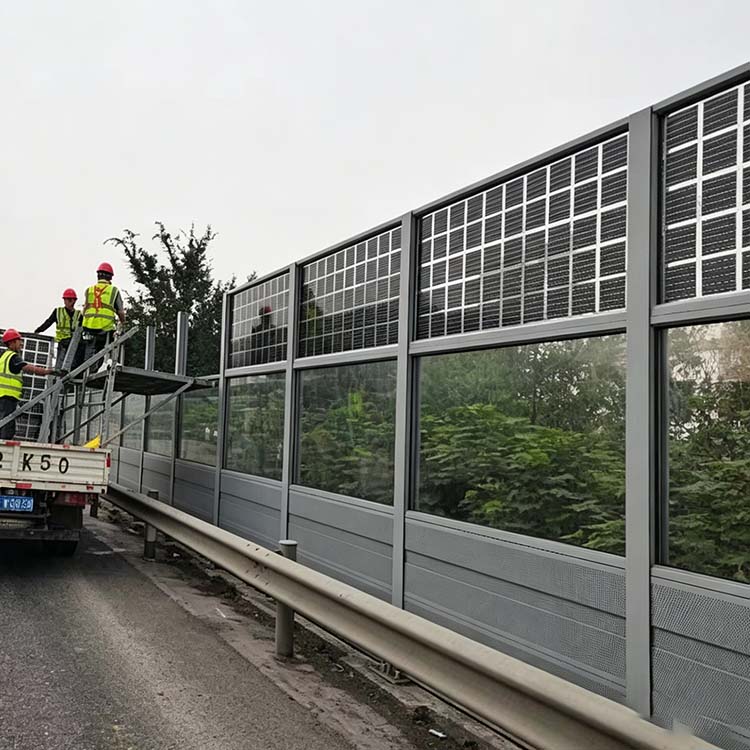
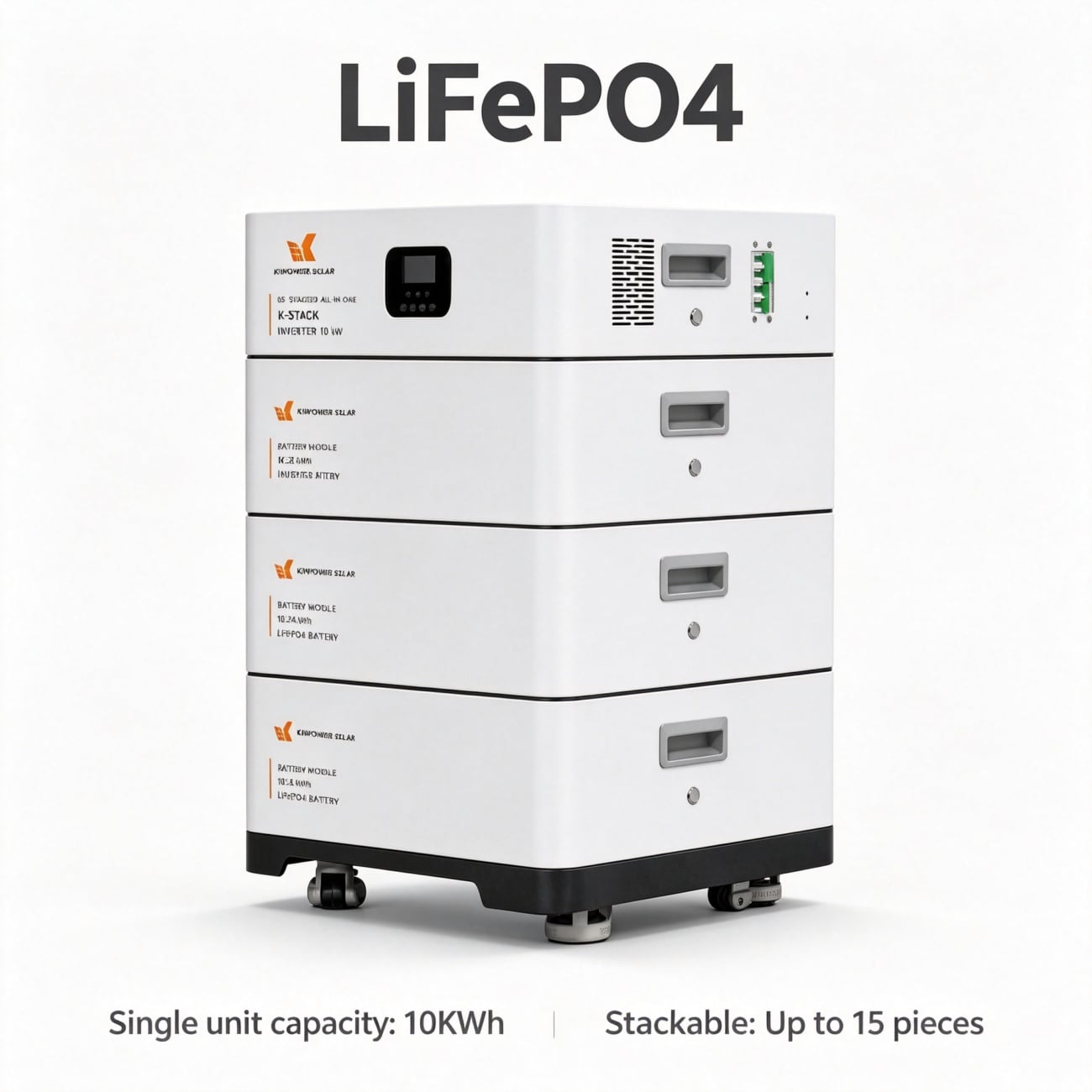
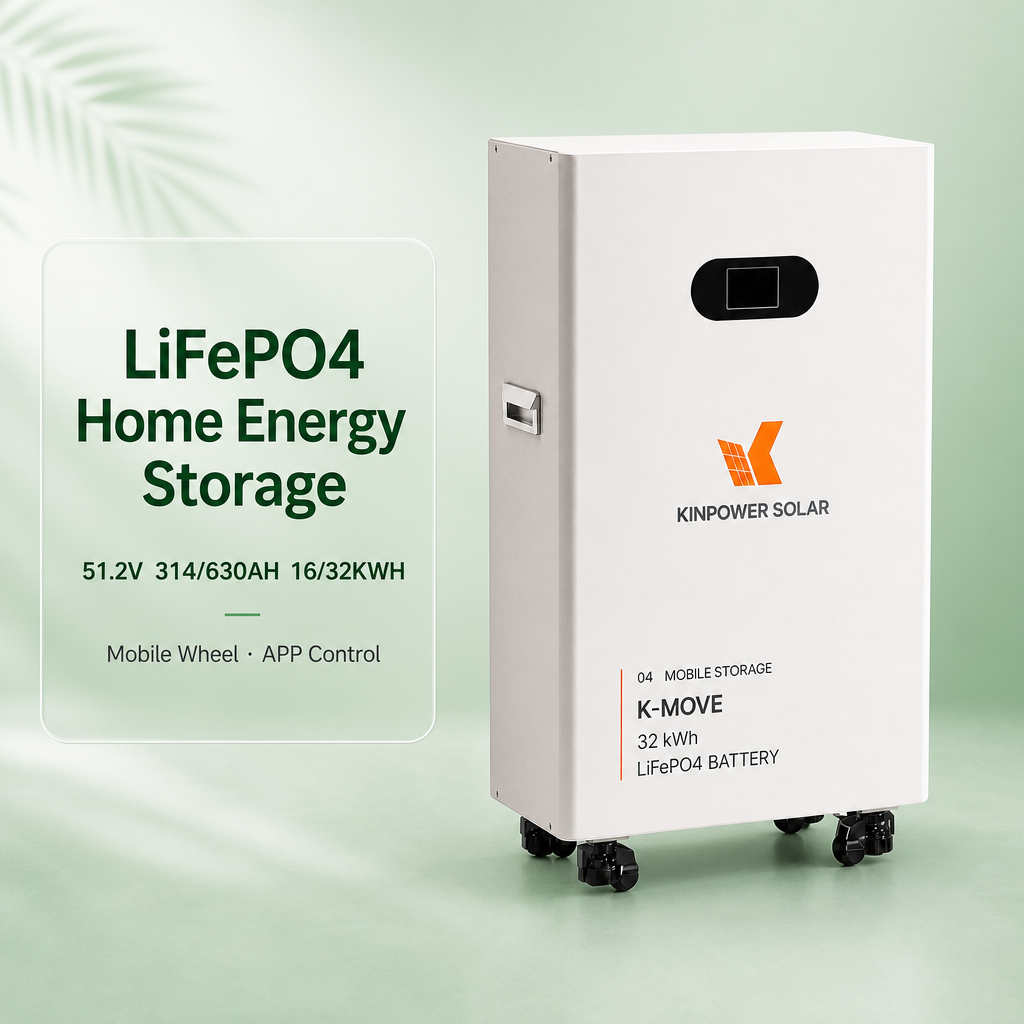
Många fabriker, kommersiella parkeringsplatser, industriområden, logistikcenter och elbilsladdningsställen överväger solcellsparkeringssystem detta som ett sätt att generera ren el samtidigt som befintliga parkeringsytor utnyttjas bättre.
En viktig fråga uppstår dock ofta innan ett projekt påbörjas:
Kräver en solkraftsparkeringsplats batterilagring?
Med den snabba utvecklingen av integrerade sol + lagring + elbilsladdningssystem , kan tillägg av ett batterienergilagringssystem (BESS) ge fördelar såsom toppbelastningsreducering, elhandel beroende på tidsperiod, reservkraft och förbättrad självkonsumtion av solenergi.
Batterilagring ökar dock även den ursprungliga investeringen och ställer ytterligare krav på batterisäkerhet, brandskydd, ventilation, drift och underhåll.
Därför, batterilagring är inte ett standardkrav för varje solkraftsparkeringsprojekt. Valet bör göras utifrån platsens elförbrukning, nätets kapacitet, eltariffstruktur, krav på elbilsladdning och investeringsmål.
Den här guiden förklarar när en solkraftsbilport kan drivas effektivt utan batterier, när batterilagring för solkraftsbilport blir värdefull, hur de två konfigurationerna jämförs och vilka faktorer som bör beaktas vid utvärdering av projektets återbetalning.
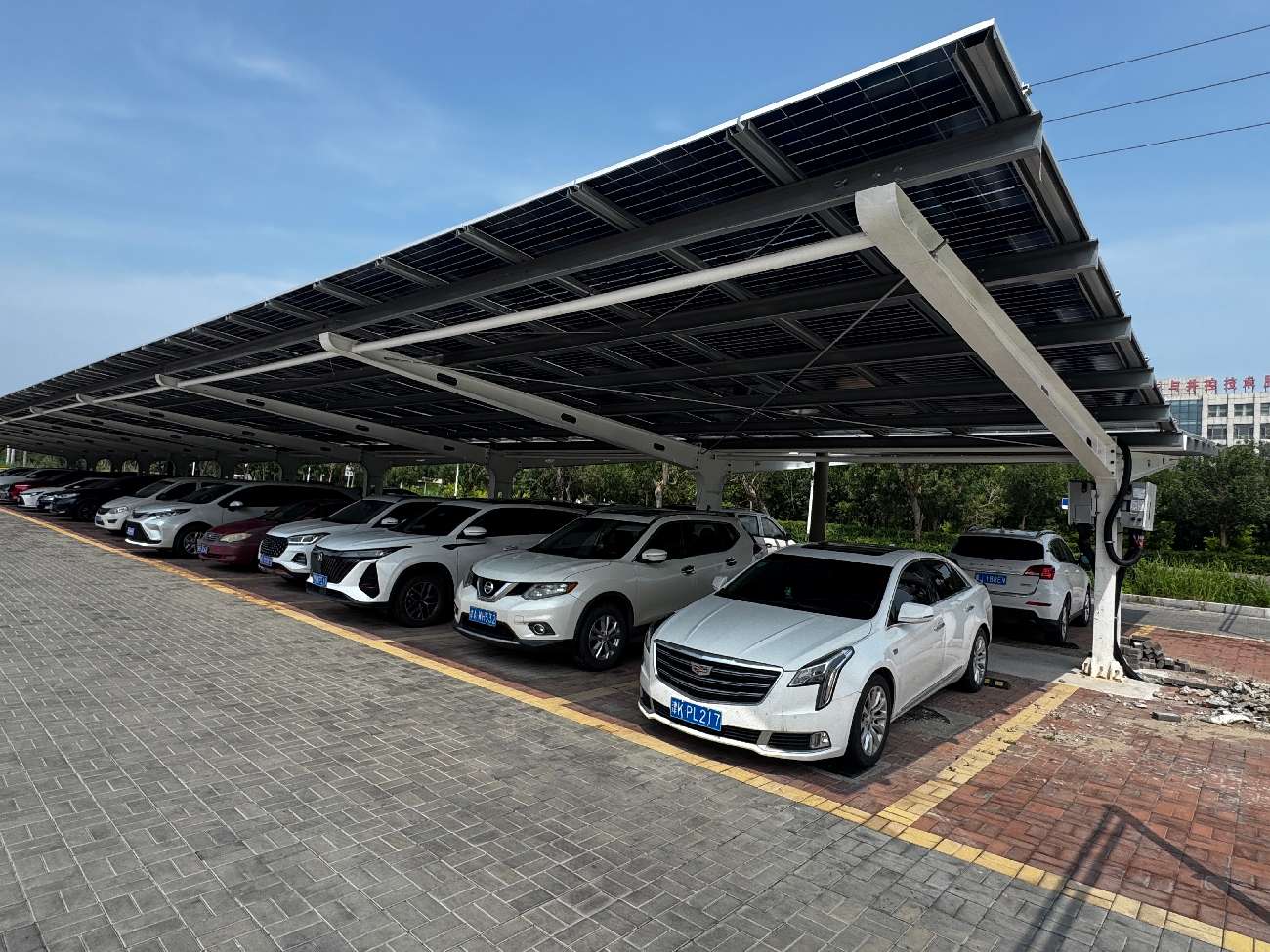
Asolcellsparkeringsställ kombinerar en parkeringsstruktur med fotovoltaisk elproduktion.
Solpaneler installeras på bilportens tak för att generera el samtidigt som strukturen ger skugga och regnskydd för fordon.
Ett typiskt kommersiellt solkraftsbilportsystem kan inkludera:
Solkraftanläggning
Solceller
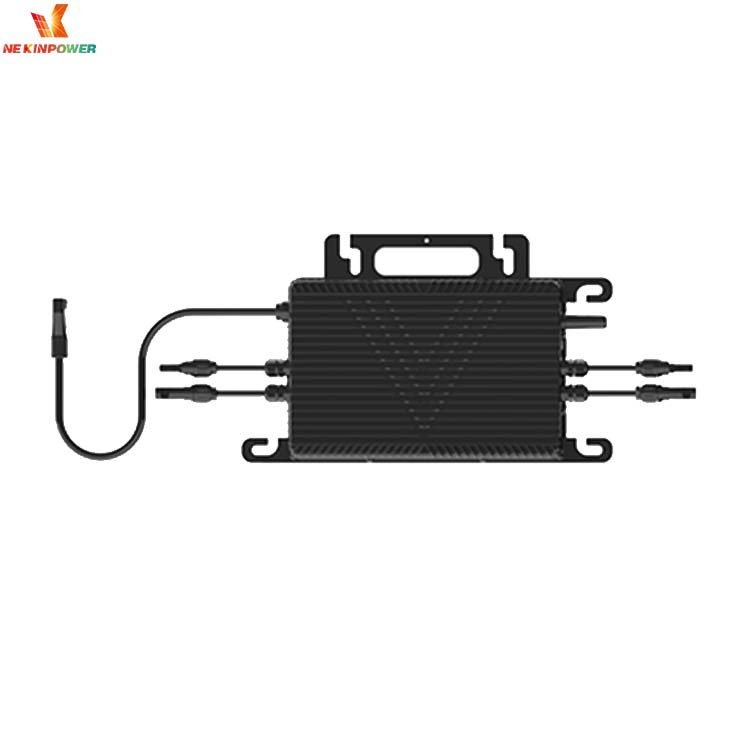
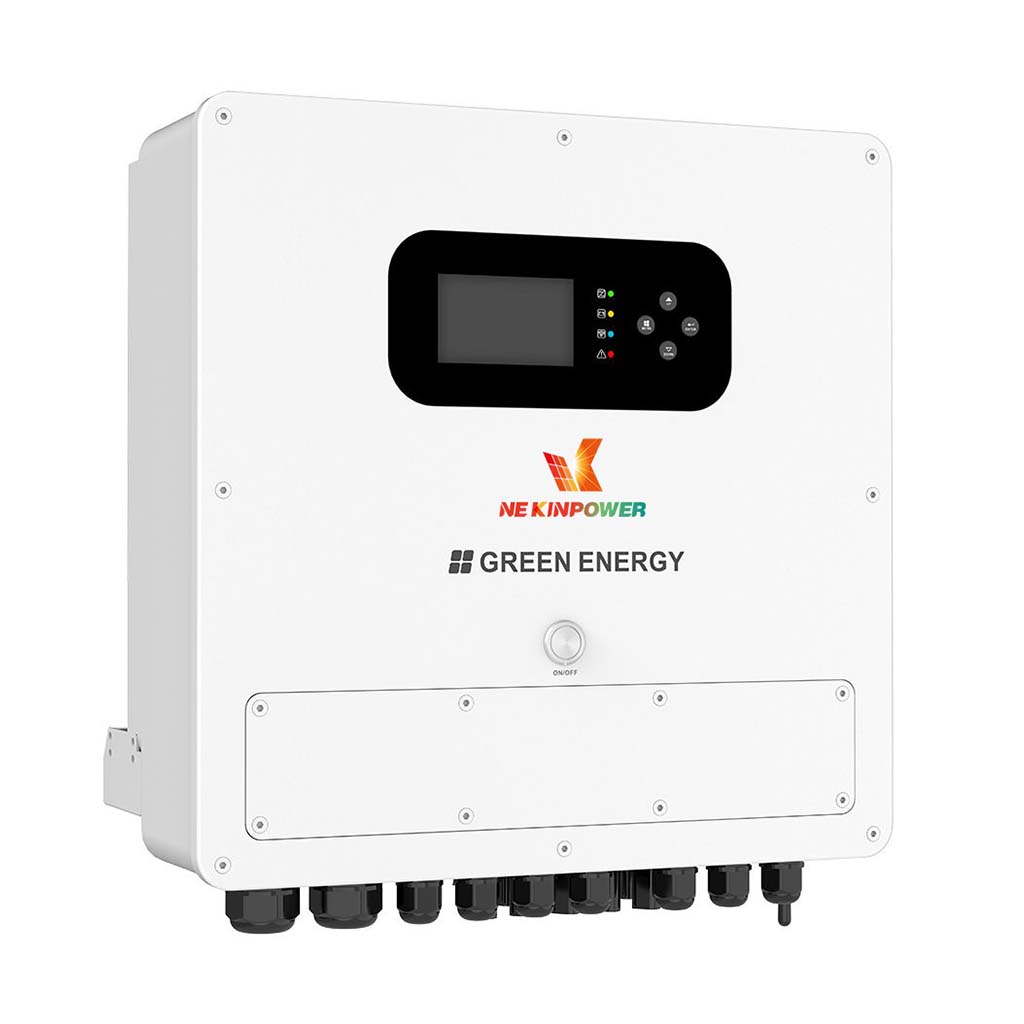
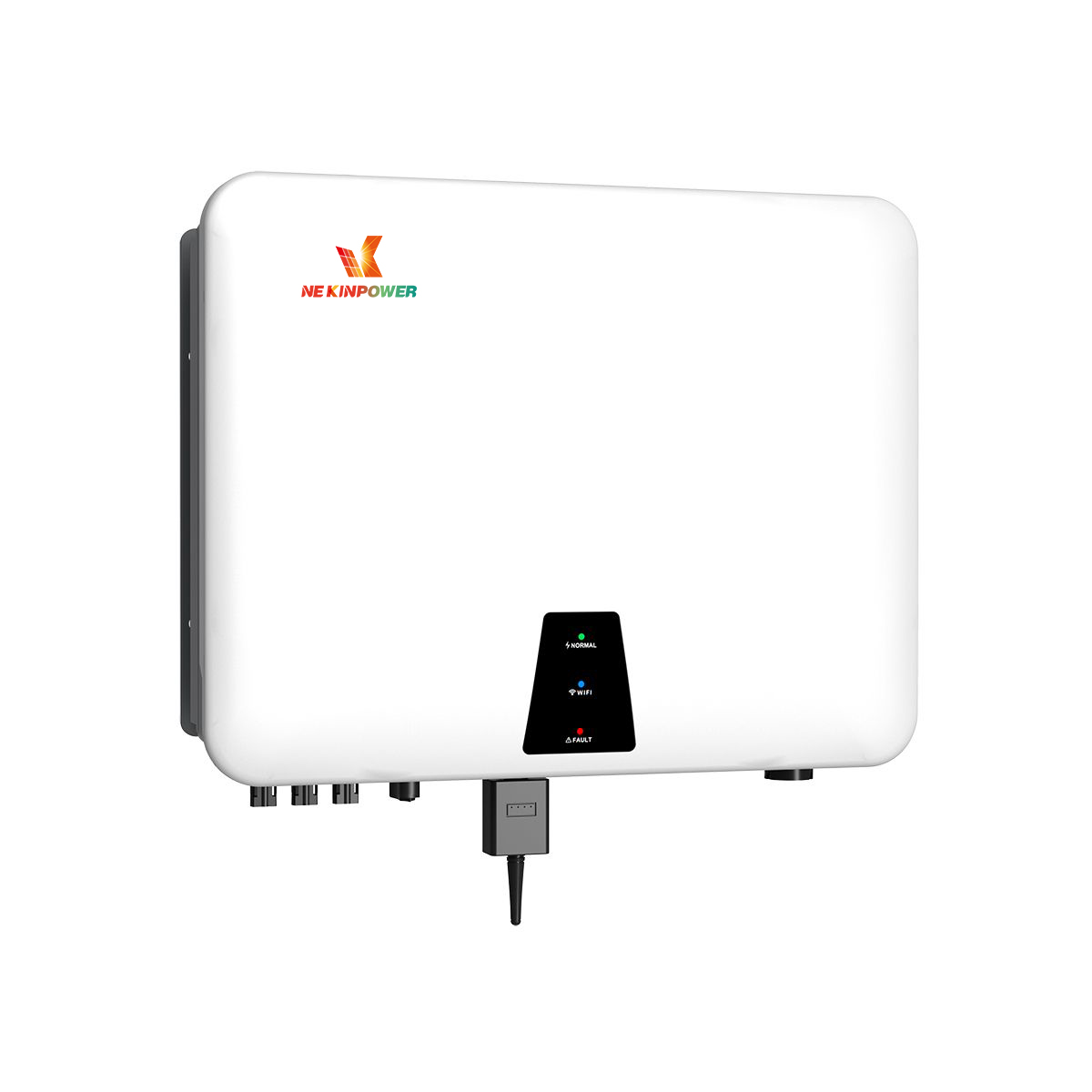
Nätanslutet eller hybridomvandlare
AC/DC-fördelningsutrustning
Laddstationer för elbilar
Övervakningssystem
Valfritt batterienergilagringssystem
Under dagtid kan solströmmen direkt förses till fabriksutrustning, kontorsbyggnader, kommersiella anläggningar eller EV-laddare.
Om elproduktionen överskrider platsens momentana efterfrågan kan den överskottsel som genereras exporteras till nätet, under förutsättning att lokala nätregler och projektets anslutningsvillkor tillåter detta.
En konventionell solkraftsbilplats utan batterilagring är därför främst ett solgenererings- och direktförbrukningssystem .
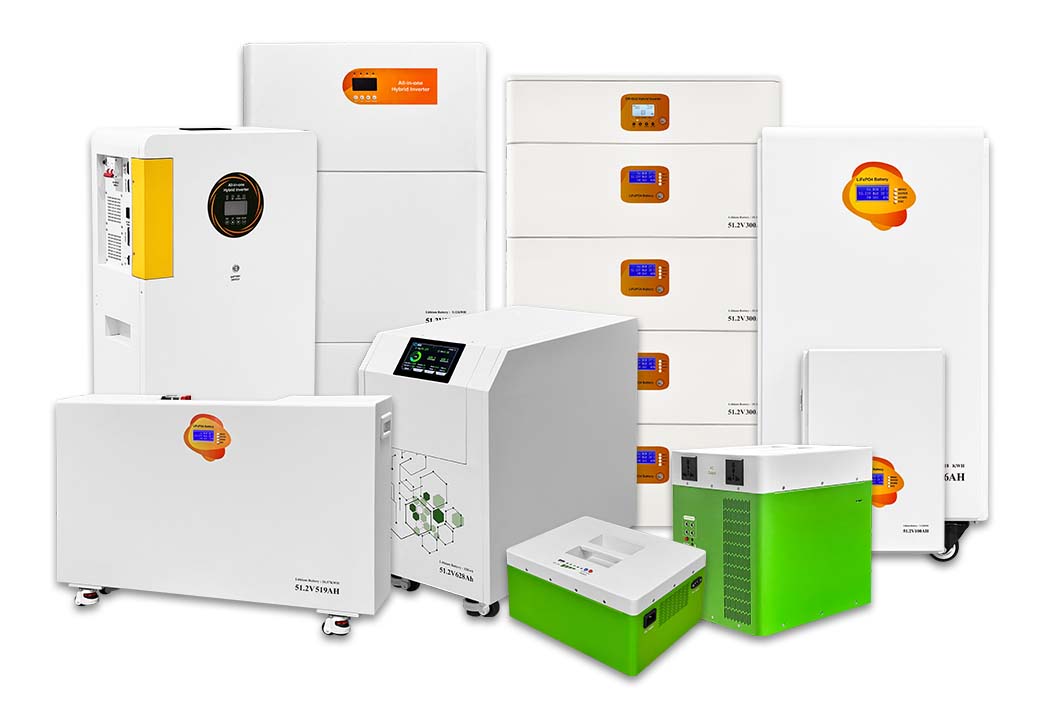
Abatterier för energilagring (bess) fungerar som en elbuffert mellan solgenerering, nätet och platsens elektriska laster.
Under perioder då solgenereringen överstiger efterfrågan kan överskottsel lagras i batterier.
Den lagrade elen kan sedan avges vid följande tillfällen:
Solgenereringen är låg
Elpriserna är höga
Efterfrågan på laddning av elfordon ökar
Nätets kapacitet är begränsad
Reservkraft krävs
Ett typiskt integrerat solenergi- + lagrings- + laddningsystem för elfordon kan inkludera:
PV-moduler → Hybridomvandlare / PCS → LiFePO4-batterilagring → Laddare för elfordon + byggnadens laster + nätet
Denna konfiguration ger större flexibilitet än en konventionell solcarport, men den ytterligare utrustningen ökar också systemets komplexitet och investeringskostnad.
Det finns inget universellt svar.
För många konventionella kommersiella och industriella projekt kan en solcarport utan batterilagring vara den kostnadseffektivaste lösningen .
För projekt med högeffektiv laddning av elbilar, begränsad transformatorkapacitet, stora skillnader mellan dagens och nattens elpriser eller krav på reservkraft kan tillsats av batterilagring ge betydligt större värde.
Beslutet bör grundas på de faktiska projektförutsättningarna snarare än enkelt följa trenden att installera energilagring.
Fabriker, kontorsbyggnader, industriområden och kommersiella anläggningar har ofta betydande elförbrukning på dagen.
Om större delen av elen som genereras av solkraftsbilplatsen kan förbrukas omedelbart kan systemet uppnå en hög grad av självförbrukning av solenergi utan batterier.
Till exempel kan en fabrik använda solenergi direkt för:
Produktionsutrustning
Klimat installations
Belysning
Kontorsutrustning
Pump
MASKINERI
EV-laddning
I detta fall kan tillsats av ett batteri ge begränsad ytterligare ekonomisk nytta.
Solceller + nätansluten växelriktare + laster + EV-laddare
Om platsen har en pålitlig anslutning till elnätet och strömavbrott är sällsynta kan det finnas liten anledning att installera batterier för reservkraft.
Att lägga till ett energilagringssystem endast för reservkraftsändamål kan avsevärt öka den ursprungliga investeringen utan att generera tillräcklig ytterligare intäkt.
Detta är särskilt relevant för urbana kommersiella parkeringsplatser och moderna industriområden med pålitlig nätinfrastruktur.
Batterilagring kan skapa ytterligare ekonomisk värde genom att ladda när elpriserna är låga och avge el när elpriserna är höga.
Om dock skillnaden mellan hög- och lågprisperioder för el är liten kan de potentiella besparingarna inte vara tillräckliga för att täcka:
Batteriinvesteringen
Batteridegradering
Förluster vid energiomvandling
Drift och underhåll
Brandskyddsutrustning
Systemets nedskrivning
I sådana fall kan en ren solkraftsbaserad parkeringsplats ge en bättre avkastning på investeringen.
Om parkeringsanläggningen främst använder standardväxelströmsladdare för elfordon är laddningsbelastningen i allmänhet lägre och mer stabil än vid likströmsladdning med hög effekt.
Till exempel, om en plats endast har ett begränsat antal växelströmsladdningsstationer kan solkraftsparkeringsplatsen möjligen tillgodose en betydande del av laddningsbehovet direkt under dagsljusperioden.
I detta scenario kan batterilagring inte vara nödvändig.
Energilagring blir betydligt mer värdefull när projektet har en eller flera av följande egenskaper.
En av de viktigaste tillämpningarna av kommersiell batterilagring är elhandel beroende på tid på dygnet .
Grundprincipen är:
Ladda under perioder med låga priser → urladda under perioder med höga priser
Solelektricitet som genereras på dagtid kan också lagras och användas senare när elpriserna är högre.
Ju större skillnaden i elpriser och ju mer förutsägbar platsens lastprofil är, desto större är den potentiella ekonomiska nyttan av batterilagring.
Dock beror den faktiska återbetalningen på lokala eltariffer, batterikostnader, laddnings- och urladdningseffektivitet, batteriets cykellivslängd samt driftstrategi.
Befintliga fabriker och parkeringsanläggningar har ibland transformatorer som drivs nära sin maximala kapacitet.
När högeffektsladdare för EV installeras kan platsens toppelbehov öka kraftigt.
Till exempel:
Befintlig last + EV-snabbladdningslast > tillgänglig transformatorkapacitet
Istället for att omedelbart uppgradera transformatorn kan ett batterienergilagringssystem leverera extra effekt under korta perioder med högt behov.
Batteriet levererar en del av toppbelastningen medan elnätet tillhandahåller den återstående effekten.
Den här strategin kallas vanligen för toppskvadering .
Det kan potentiellt minska:
Transformatorutvidgningskostnader
Toppeffektbehov
Risken för överbelastning av elnätet
Effektkostnader
Likströmsladdningsstationer för snabbladdning kan skapa mycket hög momentan effektbehov.
En parkeringsplats med flera snabbladdare som används samtidigt kan uppleva betydande lasttoppar.
En soltak för bilar med batterilagring kan koordinera:
Solenergiproduktion + batterilagring + elnätskraft + laddning av elfordon
Energihanteringssystemet kan dynamiskt fördela effekten mellan dessa källor.
Detta gör integrerad solcellsparkering med batterilagring för laddning av elfordon särskilt attraktiv för:
Logistikparker
Bussladdningsstationer
Flottdepåer
Motorvägsområden
Kommersiella laddcentrum för elfordon
Stora offentliga parkeringsplatser
Vissa kommersiella och industriella anläggningar kräver kontinuerlig ström för kritiska laster.
Exempel inkluderar:
Säkerhetsövervakning
Kommunikationsutrustning
Brandskyddssystem
Nödbelysning
Serverutrustning
Kritisk kontorsutrustning
Väsentlig EV-laddningsinfrastruktur
Ett korrekt konfigurerat batterilagringsystem för energi kan tillhandahålla backupström vid nätavbrott.
Den faktiska backupförmågan beror på omvandlarens arkitektur, batterikapaciteten, överföringssystemet och anläggningens krav på kritiska laster.
Avlägsna industriområden, förortens parkeringsanläggningar och vissa stora kommersiella anläggningar kan möta begränsningar vid anslutning av nya sol- eller EV-laddningslasterna till det befintliga nätet.
Om nätet inte kan ta emot all överskottsproduktion från solceller kan batterilagring fånga en del av den överskottsel som kan användas senare.
Detta kan öka projektets grad av självkonsumtion av solenergi och minska bortkastning av solenergi.
| Objekt | Solkraftbelysning för parkeringsplatser utan lagring | Solkraftbelysning för parkeringsplatser med batterilagring |
|---|---|---|
| Inledande investering | Lägre | Högre |
| Systemkomplexitet | Låg | Mellan hög |
| Drift och underhåll | Enkel | Mer komplex |
| Solels egenförbrukning | Beror på lasten på dagtid | Kan ökas |
| Toppskvadering | No | Ja |
| Tidsbaserad arbitrage | Begränsad | Ja |
| Reservkraft | No | Ja |
| Hög-effektsladdning av EV | Begränsad | Mycket lämplig |
| Stöd för transformatorns kapacitet | Begränsad | Ja |
| Ackumulatorbyte | Inte krävs | Krävs under systemets livstid |
| Krav på brandsäkerhet | Relativt enkelt | Mer krävande |
| Lämpligast För | Konventionella kommersiella projekt | Projekt med hög belastning och hög efterfrågan |
Jämförelsen visar att ingen av konfigurationerna är universellt bättre.
Den optimala lösningen beror på platsens faktiska elektriska och ekonomiska förhållanden.
PV-moduler → nätanslutna omvandlare → elnätet / byggnadens laster / AC-laddare för elfordon
Små och medelstora parkeringsplatser
Fabriksparkeringsområden
Kontorsbyggnader
Industriparker
Stabila nätmiljöer
Platser med stark elbehov på dagtid
Projekt som främst använder AC-laddning med låg effekt
Projekt med begränsade investeringsbudgetar
Lägre initial investering
Enkel systemarkitektur
Enkel installation
Lägre underhållsförfrågan
Ingen batteridegradering
Lägre komplexitet vad gäller brandsäkerhet
Snabbare potentiell avkastning
PV-moduler → PCS / hybridomvandlare → LiFePO4-batterilagring → smarta EV-laddare + laster + nät + reservlaster
Stora EV-laddningsstationer
DC snabbchargerskluster
Logistikparker
Bussladdningsstationer
Industriella anläggningar med begränsad transformerkapacitet
Anläggningar med betydande skillnader mellan elpriser under topp- och dalperioder
Anläggningar som kräver reservkraft
Anläggningar med begränsad nätanslutningskapacitet
Toppskvadering
Elhandel beroende på tid på dygnet
Ökad självkonsumtion av solenergi
Minskad belastning på nätets kapacitet
Möjlighet till reservkraft
Bättre stöd för laddning av EV med hög effekt
Större flexibilitet i energihantering
Högre inledande investering
Batteridegradering
Ytterligare underhåll
Krav på brandsäkerhet
Ytterligare installationsutrymme
Mer komplex energihantering
Återbetalningsperioden för en solkraftsbilport med batterilagring kan inte fastställas enbart utifrån batterikapaciteten.
En korrekt projektbedömning bör ta hänsyn till minst följande faktorer:
PV-systemets kapacitet
Lokal solinstrålning
Årliga driftstimmar
Förväntad årlig elproduktion
Elbehov på dagtid
Elbehov på nattid
Årlig elkonsumtion
Andel solenergi som används på platsen
Antal laddstationer
AC- eller DC-laddning
Laddarens nominella effekt
Antal laddningssessioner per dag
Andel samtidiga laddningssessioner
Transformerkapacitet
Nätanslutningskapacitet
Effektkostnader
Kostnader för elnätets utbyggnad
Elpris under toppperioden
Elpris under mellanperioden
Elpris under dalperioden
Tidsbaserad prisstruktur
Batterikapacitet
PCS-effekt
Verkningsgrad vid cyklisk laddning och urladdning (Round-trip Efficiency)
Cykelliv
Driftstemperatur
Garantiperiod
Till exempel kan vi betrakta en kommersiell parkeringsanläggning med:
Solkåta: 500 kw
Batterilagring: 500 kWh
Laddning av elfordon: Flera växelströms- och likströmsladdare
Daglig solgenerering: cirka 2 000 kWh
Årliga driftsdagar: cirka 330 dagar
Det årliga ekonomiska nyttot för projektet kan komma från flera källor:
1. Besparingar på sol-el
El som genereras av PV-systemet och förbrukas direkt på plats minskar den el som köps från elnätet.
2. Batteribaserad toppbelastningsreducering
Batterin levererar en del av platsens toppbelastning och minskar nätets efterfrågan under perioder med hög belastning.
3. Elprisarbitrage beroende på tid på dygnet
Batteriet kan laddas under perioder med lägre elkostnader och urladdas under perioder med högre elkostnader, beroende på lokala eltariffer.
4. Minskade kostnader för transformatorutbyggnad
Om batteriet effektivt kan hantera elbilsladdningens toppbelastning kan projektet minska eller skjuta upp dyra utbyggnader av transformatorns kapacitet.
5. Värde av reservkraft
Där reservkraft krävs kan batteriet ge extra driftsvärde som inte direkt återspeglas i elbesparingar.
Alltså:
Totalt årligt nyttja = Besparingar på solenergi + Energilagringens arbitrage + Besparingar på effektkostnader + Andra energinyttor
Och:
Uppskattad återbetalningstid = Totalt projektinvestering ÷ Årlig nettonyttja
Den faktiska återbetalningstiden bör beräknas med hjälp av lokala elpriser, solgenereringsdata, batterikostnader, laddningsbehov, finansieringsvillkor och tillämpliga nätregler.
En projekt-specifik ekonomisk modell rekommenderas därför innan batterikapaciteten väljs.
Använd följande guide för en preliminär bedömning:
Elkonsumtionen på dagtid är hög
Elnätet är stabilt
Elpriserna har begränsade skillnader mellan topptid och lågtid
De flesta EV-laddningarna sker med AC-lågsnabb laddning
Transformatorns kapacitet är tillräcklig
Reservkraft inte krävs
Projektet har en begränsad investeringsbudget
Rekommenderad lösning: Solceller + nätansluten växelriktare + elbilsladdning
DC-snabbladdning är allmänt utbredd
Transformatorns kapacitet är otillräcklig
Toppeffekten är hög
Skillnaderna mellan elpriser under topp- och dalperioder är betydande
Reservkraft krävs
Nätanslutningskapaciteten är begränsad
Överskottet av solenergi kan inte fullständigt förbrukas eller exporteras
Rekommenderad lösning: Solceller + batterilagringsystem + elbilsladdning
Energilagring är inte automatiskt lönsamt för varje solkraftsbilplats.
Dess ekonomiska värde beror främst på:
Lastprofil
Elavtal
Efterfrågan på EV-laddning
Elnätskapaciteten
Investeringskostnad för batteri
Batterians utnyttjandegrad
För många konventionella kommersiella projekt kan att lägga till ett batteri utan tillräckliga möjligheter till toppvattning eller arbitrage faktiskt förlänga återbetalningstiden.
Batterilagringsystem kräver lämpliga säkerhetsåtgärder.
Utomhusbatterilagringskabinetter bör utformas enligt tillämpliga lokala föreskrifter och projektkrav, inklusive:
Ventilation
Temperaturreglering
Brandskydd
Elektrisk skydd
Säkerhetsavstängning
Nödstopp
Övervakning
De tillämpliga brand- och elkraven bör bekräftas med kvalificerade lokala experter och myndigheter innan projektet påbörjas.
Ett större batteri innebär inte nödvändigtvis ett bättre projekt.
För stor energilagring kan leda till:
Låg batteriutnyttjning
Högre inledande investering
Längre återbetalningstid
Onödig utrustningskapacitet
Batterikapaciteten bör fastställas enligt:
Överskott från solenergi + laddningsbehov för elbilar + lastprofil + eltariff + nätets kapacitet
Ett litet antal AC-laddare motiverar i allmänhet inte ett stort batterisystem.
Å andra sidan kan flera högeffektiva DC-laddare skapa betydande toppbelastning, vilket gör batterilagring mycket mer värdefull.
Därför bör laddningsprofilen analyseras innan energilagringsystemet väljs.
 Senaste nytt
2026-10-08
2026-10-06
2026-09-30
2026-09-28
2026-09-23
2026-09-22
 EN
EN