 EN



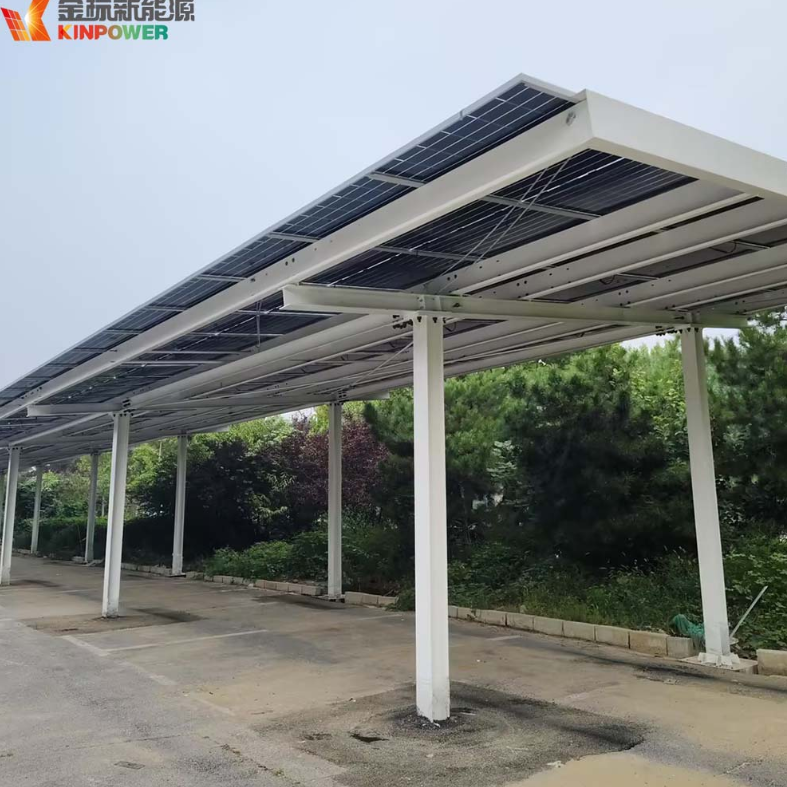
The Basic Idea Behind a Solar Carport
A solar carport is a parking canopy with photovoltaic panels built into its roof structure. It does two jobs at once. It keeps vehicles out of the sun and rain, and it generates electricity from the same footprint. That dual function is the whole point. Unlike rooftop solar, which competes for limited roof space, a carport uses parking areas that already exist and are usually sitting idle for most of the day. For sites where the roof is shaded, oddly oriented, or simply too small, the carport opens up solar capacity that would otherwise be impossible. The structure itself is typically steel or aluminum, engineered to handle local wind and snow loads, and raised high enough for vehicles to pass underneath comfortably.
Adding Storage Changes the Game
Solar panels only produce when the sun is up. That creates an obvious mismatch for EV charging, since most drivers plug in at night. This is where battery storage comes in. A battery system stores the surplus solar generated during midday and releases it when the sun goes down. The result is a charging setup that can run on stored solar energy well into the evening. Modern systems often use lithium iron phosphate chemistry, which offers good thermal stability and a long cycle life. Modular designs let a system start small and expand as demand grows. The storage layer is what turns an intermittent power source into something that can actually be relied on for daily charging.
How the Pieces Work Together
The system has several layers that need to be designed as one. The structural canopy supports the panels and the charging equipment. The solar array converts sunlight into electricity. The battery bank stores what is not used immediately. The charging infrastructure delivers power to vehicles, ranging from Level 2 AC chargers at 7 to 22 kW to DC fast chargers at 50 kW and above. An energy management system ties it all together, deciding when to charge the battery, when to send power to vehicles, and when to pull from the grid. Getting this architecture right from the start matters, because retrofitting storage or chargers onto a canopy that was not designed for them often costs more than building it correctly the first time.
Matching the System to Actual Vehicle Use
A solar carport that works well for one fleet may be a poor fit for another. The key variable is when vehicles are actually parked and charging. Daytime dwell fleets, where cars arrive in the morning and stay all day, align beautifully with solar production and can offset a large share of their charging load directly. Return-to-depot operations, where vehicles leave early and come back at night, need more battery storage to shift midday solar into the evening charging window. Around-the-clock operations have different needs again, often relying on DC fast charging and larger storage capacity. Sizing without understanding the duty cycle is guesswork, and guesswork leads to either wasted capacity or unmet demand.
| Duty Cycle | Solar Match | Storage Needed | Typical Solar Offset |
|---|---|---|---|
| Daytime dwell | Excellent | Optional | 60 to 85 percent |
| 12-hour return to depot | Poor | Yes, 1.5 to 2.5 hours | 40 to 60 percent direct, 70 percent plus with storage |
| 24/7 continuous | Moderate | Yes, 1 to 2 hours | 30 to 50 percent |
These figures come from fleet charging analyses and vary with route length, vehicle class, and local solar resource.
Real World Considerations and Honest Limits
A carport project is not just a solar project. It involves structural engineering, permitting, and often coordination with existing parking layouts and underground utilities. On a 500 kWp carport project in California, the permitting timeline ran four to six months compared to two to three months for a rooftop alternative, and the cost per watt came in higher because of the new structure. That said, the carport delivered more capacity and integrated charging that rooftop solar could not. Wind loading is another factor that catches people off guard. Open canopies experience pressure on both the top and bottom of panels simultaneously, and using ground-mount wind coefficients instead of open building provisions can underestimate uplift by 10 to 15 percent. Getting the structural engineering right is not optional.
Where Integrated Manufacturing Makes a Difference
Bringing a solar storage EV charging carport from concept to commissioning requires more than assembling parts from different vendors. The structure, the mounting system, the electrical integration, and the storage all have to work together, and mismatches show up as delays and field modifications. Kinpower has been building solar and energy storage systems since its founding, with multiple production bases and vertically integrated capabilities that cover R and D, production, system design, and project support. The engineering team handles structural calculations and system sizing in house, which keeps the carport structure and the solar array aligned from the first drawing. For projects that need the whole system delivered as a coordinated package rather than a collection of components, that integration is what keeps timelines realistic and quality consistent.